Brenntag: distributors as the middle of the value chain
Scope 1 of 185,546 tCO2e against nearly 30 million in Scope 3. Distributors shape supplier standards and the flow of lower-carbon materials.

In chemicals distribution, the strategic story is often less about direct emissions and more about who can translate sustainability requirements into supply-chain advantage.
Brenntag is a useful example. The company’s 2025 annual report shows EUR 3.8 billion in operating gross profit and EUR 929 million in operating EBITA in a weak market, while its recent financial results also emphasize resilience, cash generation, and cost discipline. At the same time, the sustainability framing around Brenntag increasingly points toward value-chain management: reporting notes Scope 1 emissions of 185,546 tCO₂e versus nearly 30 million tCO₂e in Scope 3, along with the role of taxonomy-aligned activities and supplier-facing sustainability structures.
That matters because distributors sit in the middle of complex procurement ecosystems. They may not manufacture most of the underlying products, but they influence supplier standards, customer specifications, and the practical flow of lower-carbon materials through the market. In that context, Brenntag’s model is interesting less as a branding exercise and more as a signal that disclosure, incentives, and upstream engagement are becoming operating levers. For the sector, the question is no longer whether sustainability affects commercial positioning. It is which intermediaries can turn that positioning into better customer retention, financing access, and supply-chain resilience.
What approaches are gaining traction in chemicals distribution for turning supplier decarbonization into a real commercial differentiator?
Brenntag
Originally published on LinkedIn, 23 March 2026.
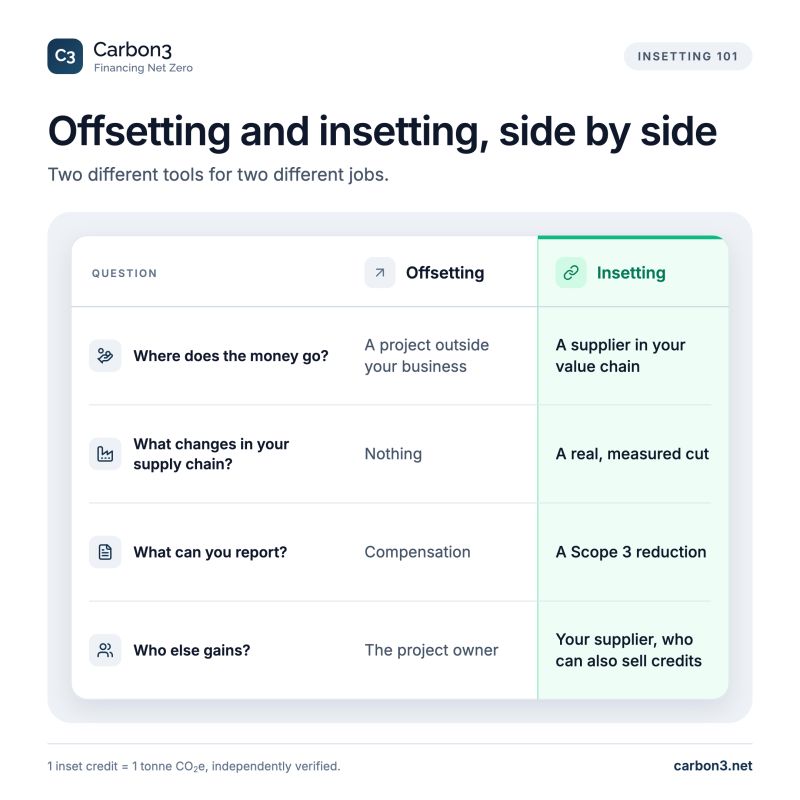
Insetting turns a sustainability expense into a supplier relationship
BASF and Boortmalt on barley emissions, Royal Canin and Soil Capital on 300,000 hectares of farmland, and ZEMBA on pooled buying power for low-emission shipping.
Read insight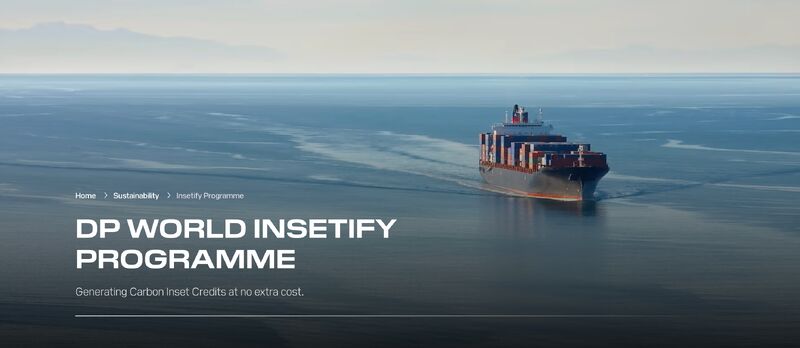
DP World's Insetify: inset credits at commercial scale
Offering credits at no cost to customers is a deliberate market-building strategy. Create the buyer habit first; price discovery follows.
Read insight