How Inset Credits Work
Carbon3 turns real supply-chain emissions reductions into tradable financial assets by combining verification, allocation, and market pricing in a single system.
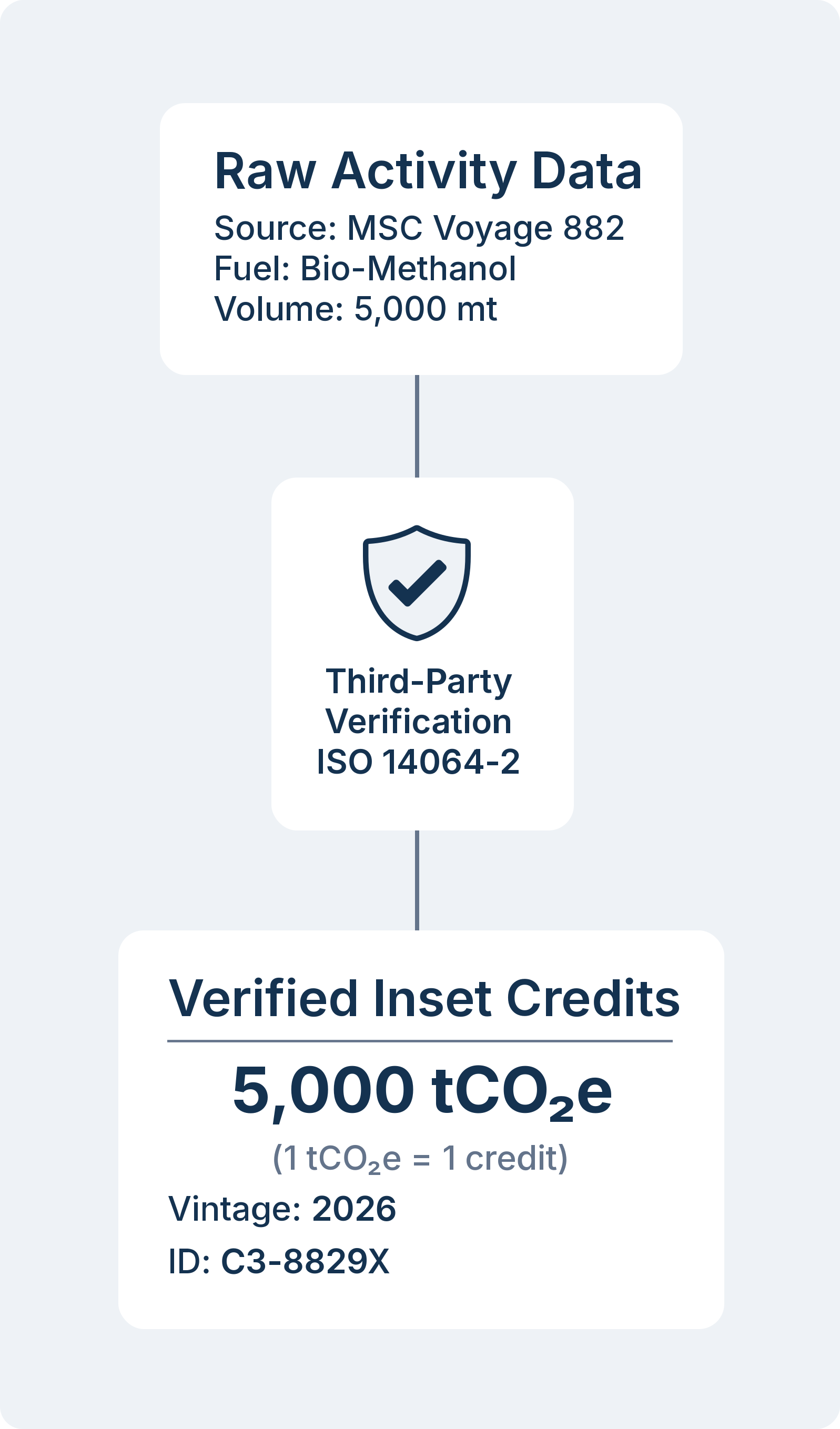
The Insetting Pipeline
Within current hard-to-abate supply chains globally, Carbon3 has identified numerous opportunities to transform supply chain emissions into tradable financial assets.
350+
Identified opportunities
(Across transportation and industry)
~$13B
Modeled value potential
(Based on verified abatement economics)
~260M
tCO₂e Modeled credit potential
(Subject to verification and project activation)
Insetting shifts decarbonization from a compliance cost to a coordinated investment strategy.
Scope 3 Emissions: An Unlocked Asset Class
Supply chain decarbonization has historically been stalled by high premiums and fragmented data. Carbon3 bridges this gap by converting verified reductions into tradable Inset Credits. This financial mechanism allows value-chain partners to co-finance low-carbon solutions, strictly eliminate double counting, and recover capital through a liquid market.
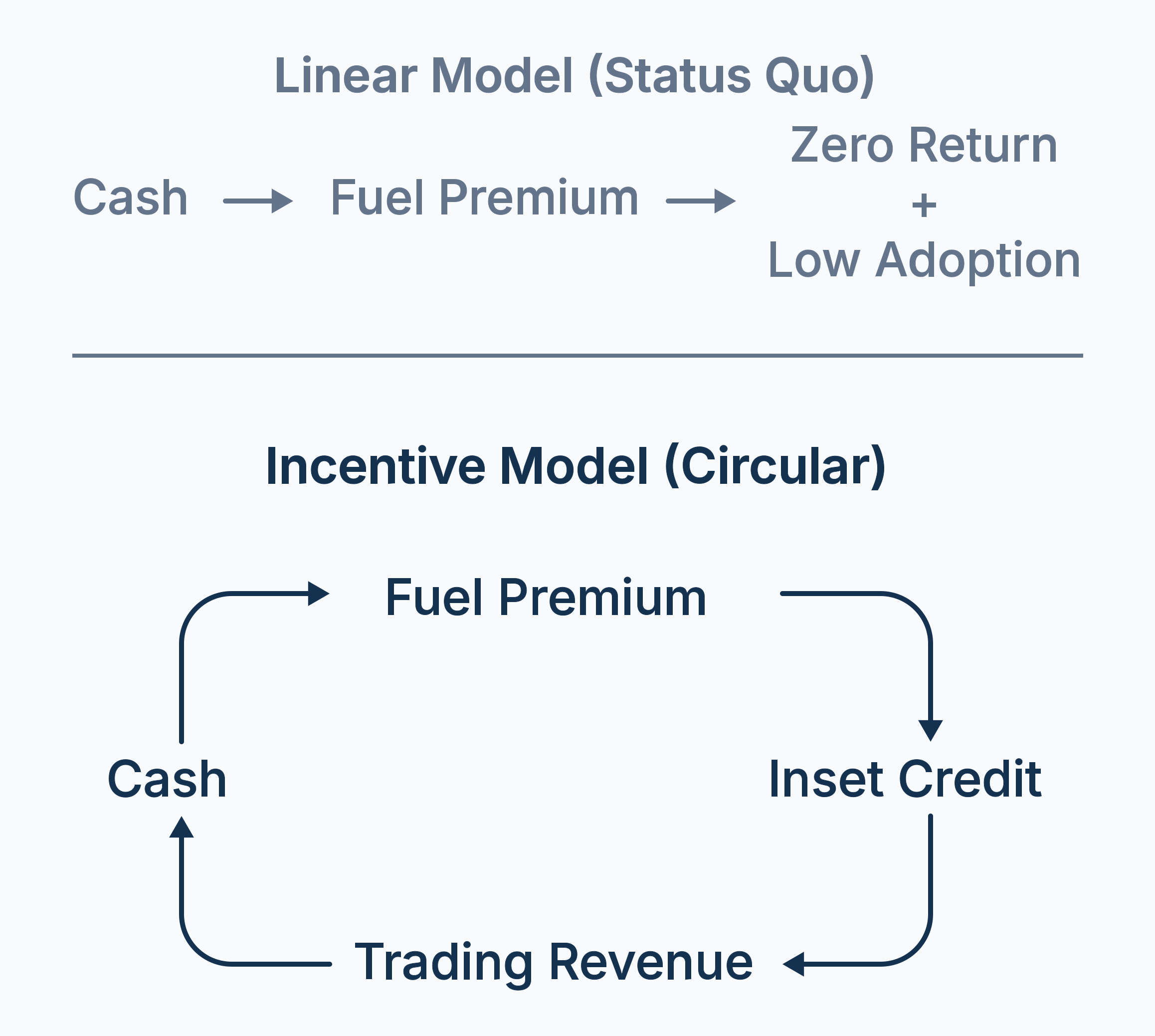
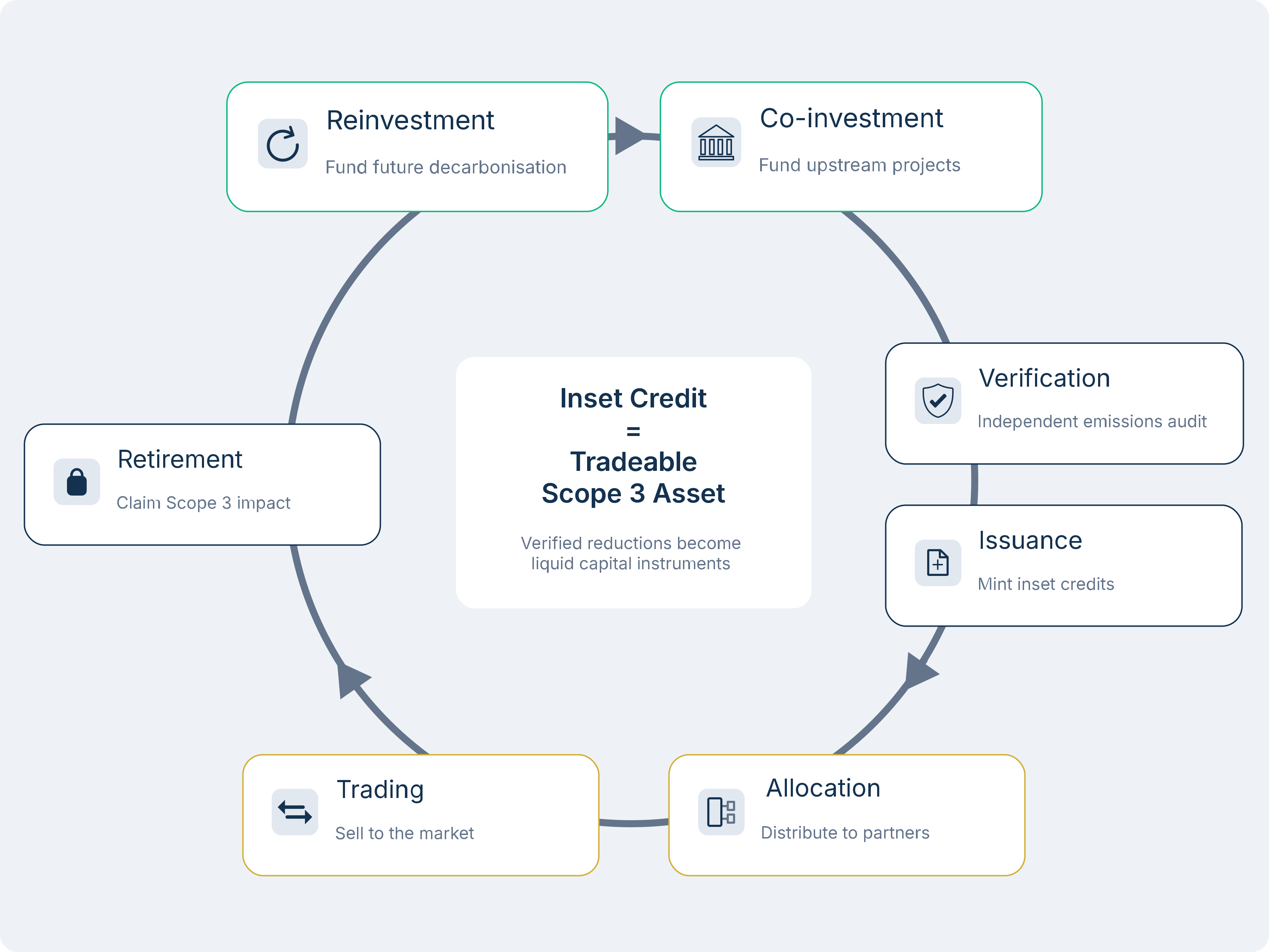
From Emissions to Assets,
the Insetting Market Cycle
Insetting creates a circular system where capital funds real action, verified reductions become tradable positions, and price signals facilitate new investment.
Why Trading is Essential
Enables earlier cost recovery and reinvestment.
Reflects real market demand, not consultant estimates.
Lets participants adjust as strategies change.
Insetting Aligns Decarbonization with Your Supply Chain
Offsetting
- •External to your business
- •Limited connection to operational change
- •One-time purchase and retirement
- •Reputational and quality risk
Insetting
- ✓Embedded in your value chain
- ✓Tied to real supplier action
- ✓Supports ongoing value chain partnerships
- ✓Measured, allocatable Scope 3 reductions
Ready to get started?
Explore the Carbon3 platform or schedule a working session to discuss how inset credits can work for your organization.