C3's platform unlocks over USD 13 billion in inset credits
How Carbon3 streamlines industrial decarbonisation through carbon insetting.
In an era where corporate sustainability is no longer optional but essential, innovative tools are emerging to help businesses navigate the complex path to net-zero emissions. One such platform making waves in the climate tech space is Carbon3 (C3), a Singapore-based startup that's streamlining industrial decarbonization through carbon insetting.
A potential of $13 billion in inset credits, equivalent to 260 million tCO2e reductions - C3 is positioning itself as a key player in transforming how companies fund and achieve their net-zero goals.
What is Carbon Insetting, and Why Does It Matter?
Carbon insetting is a strategic approach where companies invest in emission reduction projects within their own supply chain, such as adopting low-carbon materials or transitioning to renewable energy in manufacturing and logistics. Unlike carbon offsetting, which funds external projects like reforestation to compensate for emissions, insetting integrates sustainability directly into business operations, enhancing supply chain resilience and fostering stronger supplier-buyer partnerships. Verified inset credits serve a dual purpose: they function similarly to offsets for addressing Scope 3 emissions under frameworks like the SBTi, while also quantifying and validating the direct environmental and social benefits within the supply chain, boosting transparency and stakeholder trust.
For example, when a company purchases inset credits from a supplier’s sustainability initiative, it reduces its indirect emissions while supporting measurable, supply chain-specific reductions. This makes insetting a compelling choice for organizations balancing compliance with impactful decarbonization.
Launched in 2023, the C3 Platform is a global marketplace for issuing, trading, and retiring inset credits. It mitigates the financial risks of high-cost projects by enabling cost-sharing across supply chains. Suppliers can issue credits for verified reductions, such as adopting green hydrogen in steel production or e-fuels in maritime shipping, and trade them with partners who leverage these credits for Scope 3 reporting.
C3’s freemium model stands out: no startup costs, free credit issuance, and a modest 2% fee on trades and retirements. This accessibility empowers small and medium-sized enterprises (SMEs), particularly in emerging markets, to participate in carbon financing. The platform offers a curated portfolio of high-impact projects, streamlined workflows, and real-time milestone tracking, enabling users to launch and trade projects efficiently. With over 350 projects to be added, representing $13 billion in potential value, C3 supports hard-to-abate sectors like manufacturing, energy, transportation, and agriculture. These initiatives align with global regulations, including the EU’s Carbon Border Adjustment Mechanism (CBAM) and FuelEU Maritime standards.
Getting started with Insetting
As the voluntary carbon market (VCM) is projected to reach $100 billion by 2030, C3 is actively expanding its ecosystem. The platform invites new projects generating verifiable inset credits, from renewable energy expansions to carbon capture in industrial processes. Participation offers access to a global trading network and contributes to collective progress toward “true zero” emissions.
In today’s urgent climate landscape, the C3 Platform bridges ambition and execution. With no upfront fees and a focus on shared value, it’s an opportunity to transform sustainability investments into measurable outcomes. By unlocking over $13 billion in inset credits that support net-zero strategies, C3 is enabling resilient, low-carbon supply chains. For businesses committed to accelerating decarbonization, now is the time to engage with C3 and drive transformative change.
Visit https://www.carbon3.net/ to learn more
Originally published on LinkedIn, 25 October 2025.
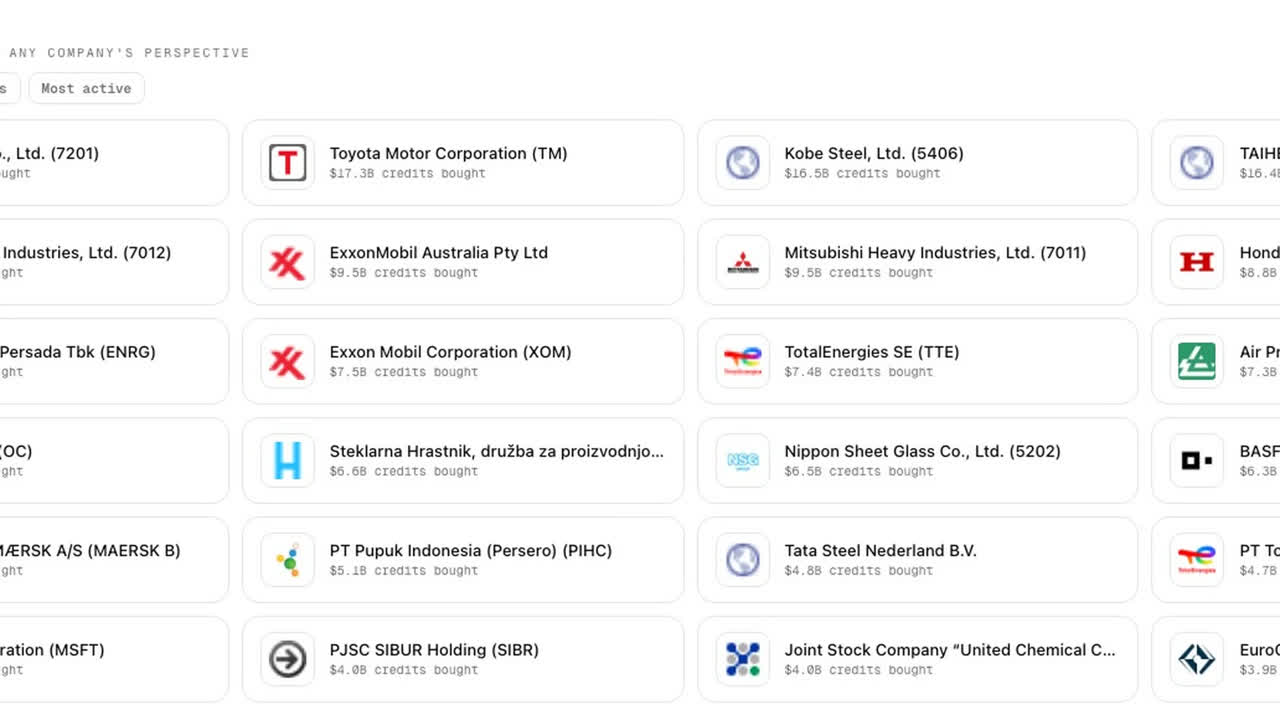
We built a global insetting market and simulated it end to end
Supply-chain decarbonisation is a financing problem. The question is who profits most when a Scope 3 market emerges.
Read insight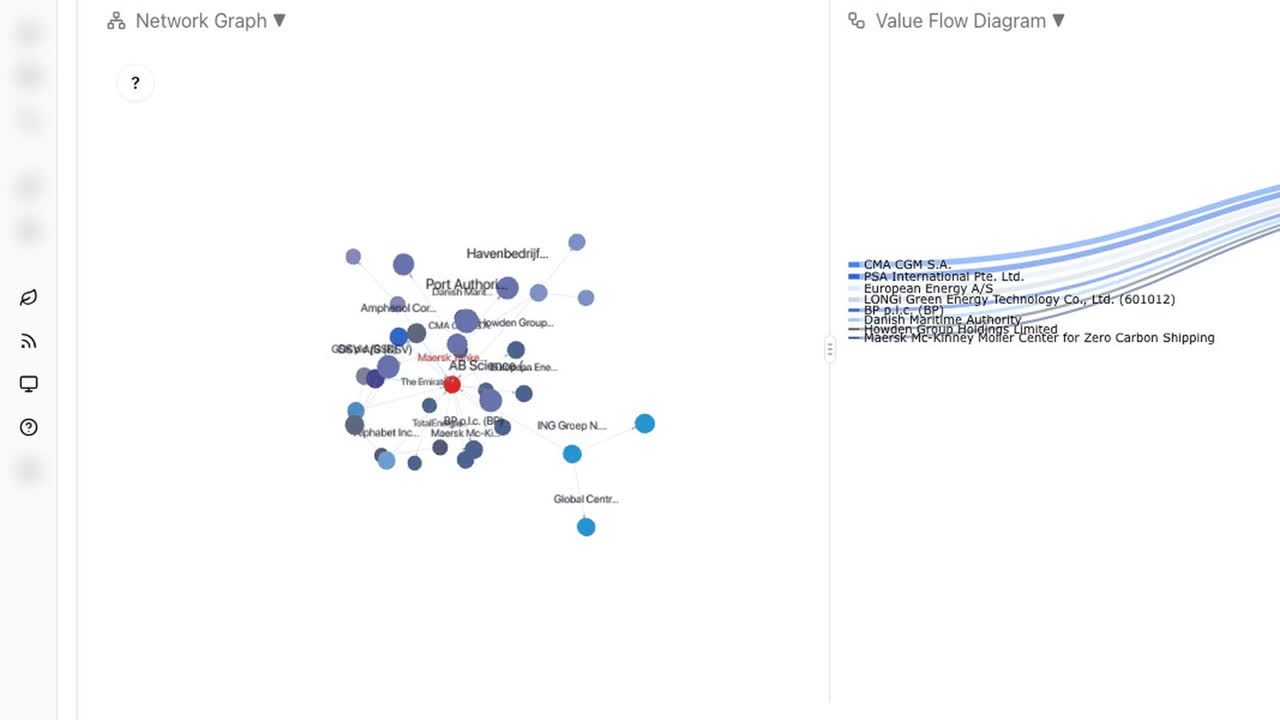
200 million tonnes of Scope 3 opportunities, mapped
C3's AI agents mapped 1,694 insetting opportunities across 364 companies and 1,500 value-chain partners.
Read insight