Ethanol isn't a better marine fuel. It's an earlier one.
At the Clean Marine Fuel Forum in Singapore, the case for ethanol rests on three tests: the molecules exist, the assets already work, and the economics clear today.
Ethanol isn't a better molecule than the alternatives. It's simply an earlier one.
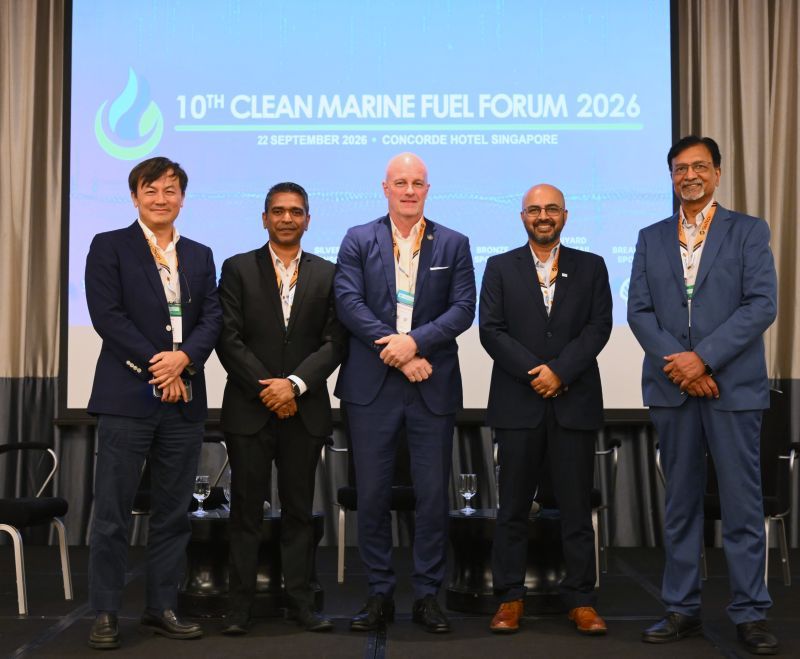
That was the case that GCGF's Maritime Director, Chris Chatterton, made at the 10th Clean Marine Fuel Forum in Singapore this week, in the session "𝙁𝙧𝙤𝙢 𝙋𝙞𝙡𝙤𝙩𝙨 𝙩𝙤 𝙎𝙘𝙖𝙡𝙚: 𝙒𝙝𝙖𝙩 𝙒𝙞𝙡𝙡 𝘼𝙘𝙩𝙪𝙖𝙡𝙡𝙮 𝘿𝙚𝙡𝙞𝙫𝙚𝙧?"
A marine fuel only delivers when three tests are met at the same time:
- The molecules exist now: ~93 Mt of fuel ethanol is produced every year, against ~0.9 Mt of renewable methanol. Shipping needs only about 4% of today's ethanol industry.
- The assets are already in service: ethanol uses the same tanks, fuel systems, barges and bunkering procedures the methanol build-out already created.
- The economics work: the delivered price of ethanol is one charterers can accept, because sticking with conventional fuel now carries its own compliance costs.
In 18 months, ethanol went from paper to port: from a world-first run on a large two-stroke engine testbed in Japan, to completed bunkerings in Rotterdam, Barcelona and Santos, to the first ocean-going newbuild orders with ethanol as the primary fuel.
What comes next? Singapore, the world's largest bunkering port, has the demand and the barges but no ethanol bunkering standard yet. Closing that gap, alongside the IGF Code revision work heading to MSC 113 in 2027, is where MEMA and its 60+ members are focused.
Thank you to moderator Sanjay Verma (Wärtsilä) and fellow panellists He Yi Yong (Straits Bio-LNG Pte Ltd), Ashish Anilan (ITOCHU Singapore Pte Ltd) and Dr Capt Satinder Singh Virdi (DNV) for the insightful discussion.
Originally published on LinkedIn, 25 September 2026.
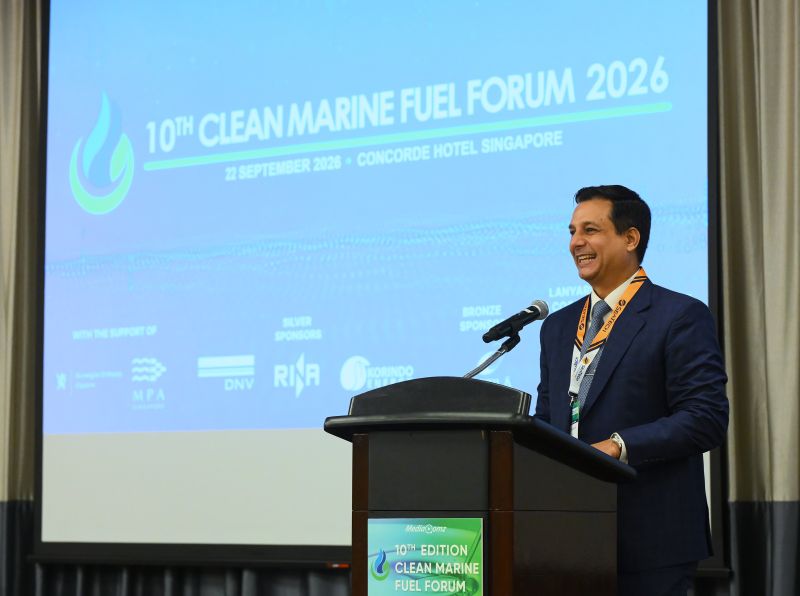
Ten years of the Clean Marine Fuel Forum
No single fuel or pathway to net zero, but progress cannot wait for perfect certainty. A recap of the 10th Clean Marine Fuel Forum in Singapore.
Read insight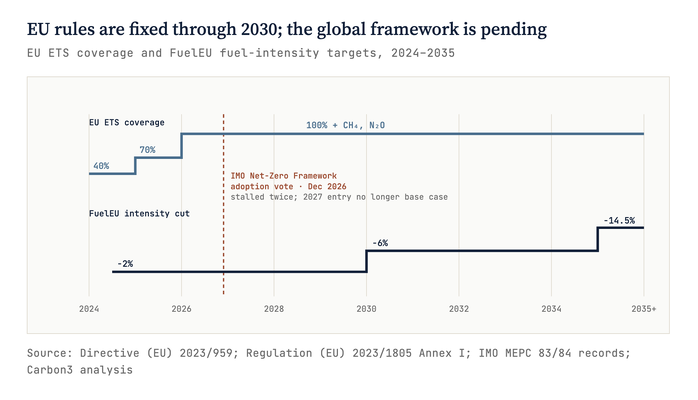
The cost of delayed action in maritime shipping
Green fuel supply through 2030 is effectively spoken for by early movers. A late start cannot catch up.
Read insight