Mitsubishi Heavy Industries and the Category 11 question
Around 99 percent of MHI's Scope 3 is product use. Its strategy is to earn from the transition by supplying the technology that reshapes it.
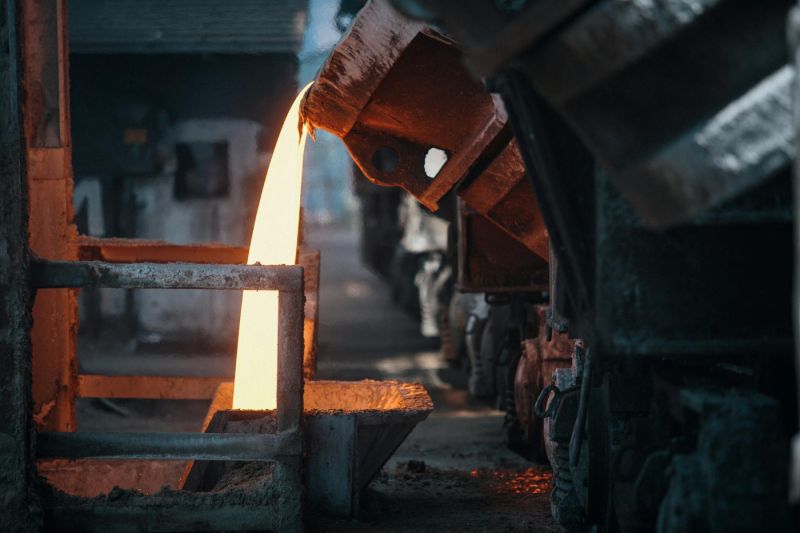
For industrial companies with very large downstream footprints, the real transition question is often not “how do we lower plant emissions?” but “how do we reduce emissions through the systems our products enable?”
That is why Mitsubishi Heavy Industries is an interesting case. MHI’s climate framework and sustainability materials emphasize that around 99% of its Scope 3 emissions are tied to product use (Category 11), and the company has set a target to reduce value-chain emissions by 50% by 2030 versus 2019, reaching net zero by 2040. MHI’s transition-finance reporting also points directly to investment in hydrogen-based ironmaking and related metals machinery as part of building a hydrogen solutions ecosystem.
That makes the strategic logic different from a typical manufacturer. MHI is not only decarbonizing operations; it is positioning itself to earn from the transition by supplying technologies that can reshape emissions-intensive sectors like steel, power, and heavy industry. For customers and partners, that turns climate alignment into a procurement, licensing, and competitiveness issue, especially in markets increasingly exposed to carbon-border mechanisms and low-carbon materials demand.
Interested in hearing where others see the biggest commercial upside from hydrogen-linked industrial decarbonization over the next few years.
Mitsubishi Heavy Industries
Originally published on LinkedIn, 26 March 2026.
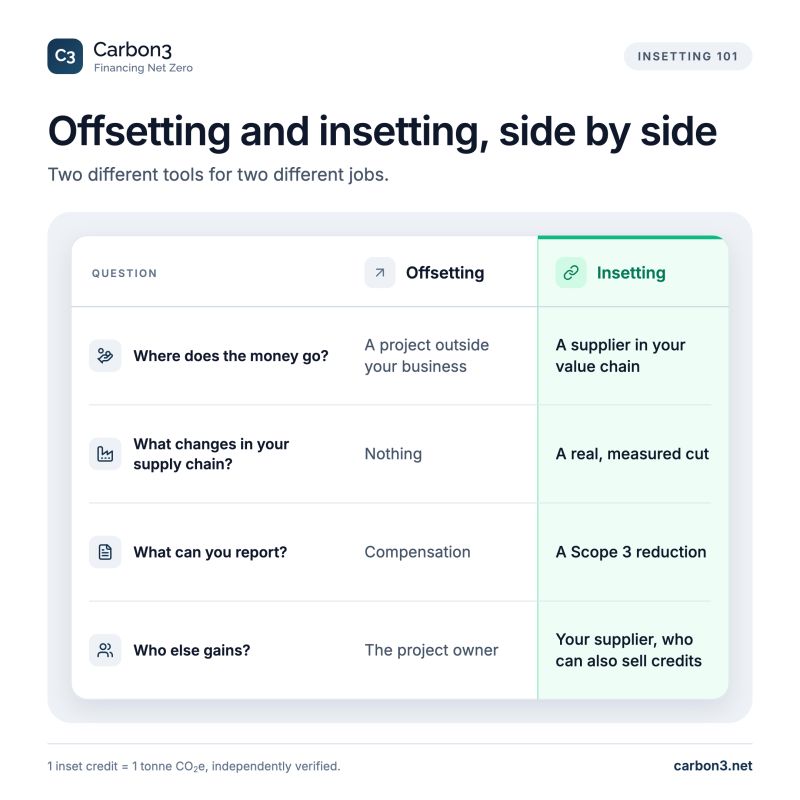
Insetting turns a sustainability expense into a supplier relationship
BASF and Boortmalt on barley emissions, Royal Canin and Soil Capital on 300,000 hectares of farmland, and ZEMBA on pooled buying power for low-emission shipping.
Read insight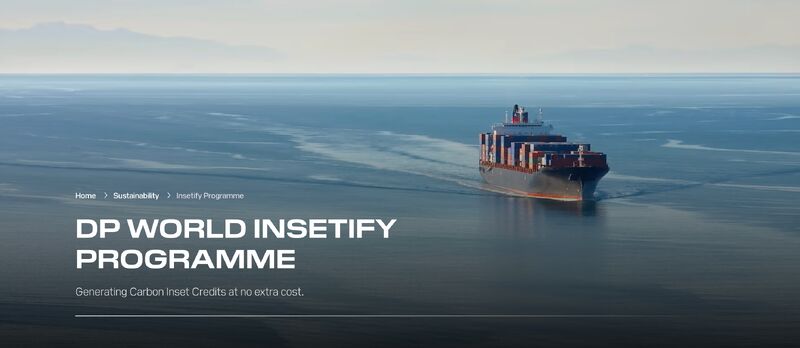
DP World's Insetify: inset credits at commercial scale
Offering credits at no cost to customers is a deliberate market-building strategy. Create the buyer habit first; price discovery follows.
Read insight