Boeing's 40,000 tonne removal deal and aviation's next phase
Supply-chain emissions are where most of aviation's footprint sits. Insetting models are emerging to reach that layer.
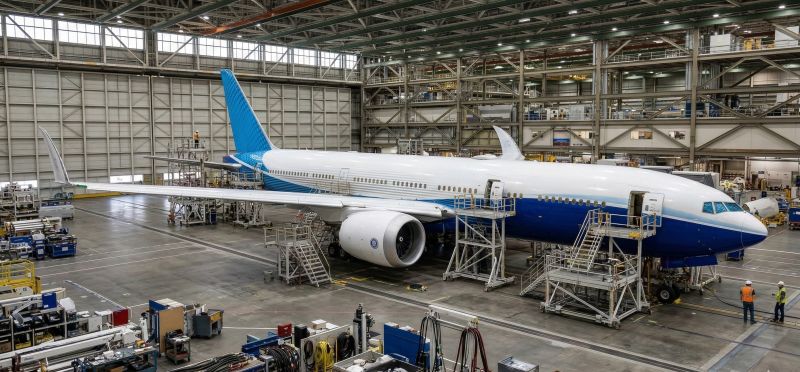
Boeing’s recent deal to remove 40,000+ tonnes of CO₂ is an important signal for aviation’s next phase of decarbonization.
For years, most aviation climate action has focused on operational emissions: SAF adoption, fleet efficiency, and flight operations.
What’s notable about Boeing’s recent announcement is the value-chain focus.
Supply-chain emissions are where the majority of aviation’s footprint sits: materials, manufacturing, logistics, and upstream fuel production. Tackling that layer requires a different set of tools than traditional offsets or operational reductions.
This is where insetting models are starting to emerge across hard-to-abate industries.
Rather than purchasing credits from outside the sector, companies are increasingly exploring ways to co-invest in emissions reductions within their own supply chains, creating shared value between producers, operators, and buyers.
For aviation, that could mean enabling reductions across:
- SAF production
- materials and manufacturing inputs
- logistics and fuel infrastructure
- supplier-level decarbonization
Announcements like Boeing’s highlight how quickly Scope 3 strategy is evolving in aviation.
Curious how others in the aerospace ecosystem are thinking about this.
How are companies approaching supply-chain decarbonization and insetting within aviation value chains today?
Boeing
Originally published on LinkedIn, 8 March 2026.
140 SAF projects announced, almost all stalled
The problem is not technology but financial structuring. Insetting creates the demand signals and long-term offtake that projects need.
Read insight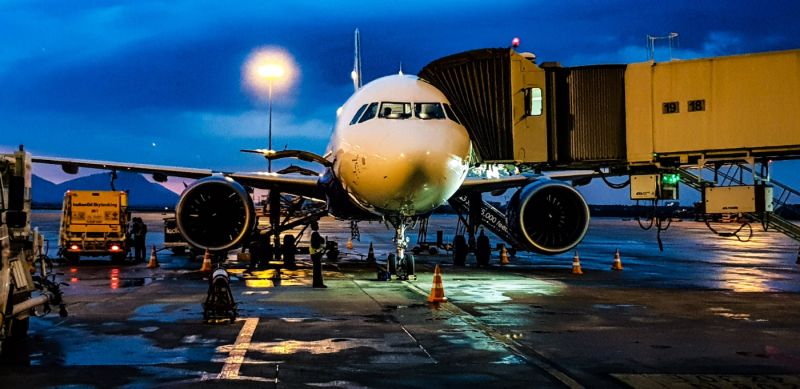
OMV's SAF push is a value-chain repositioning
Scope 3 of 145.9 million tCO2e, and agreements to deliver 1.5 million tonnes of SAF by 2030 through cross-industry partnerships.
Read insight