OMV's SAF push is a value-chain repositioning
Scope 3 of 145.9 million tCO2e, and agreements to deliver 1.5 million tonnes of SAF by 2030 through cross-industry partnerships.
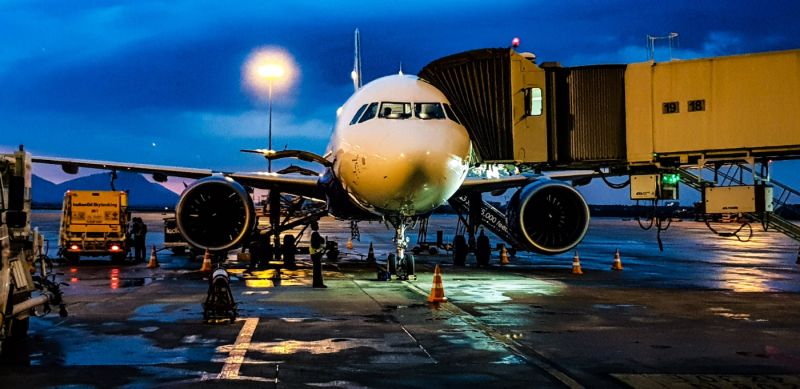
Refiners with very large downstream emissions are starting to show what a practical transition model can look like.
OMV’s latest reporting puts its Scope 3 emissions at 145.9 million tCO₂e, with the largest share tied to the use of sold energy products. Against that backdrop, its SAF push is notable not just as a climate initiative, but as a value-chain repositioning strategy. OMV and Airbus signed an MoU in January 2025 to expand voluntary SAF access, stimulate demand, and support larger-scale investment in production capacity. OMV says SAF is already a cornerstone of its Strategy 2030, and the company has signed agreements to deliver a cumulative 1.5 million tons of SAF by 2030.
What makes this interesting is the operating model: use policy tailwinds, secure offtake, and build cross-industry partnerships that turn decarbonization into a more durable fuels business. For aviation buyers and fuel suppliers alike, that is a very different proposition from treating emissions only as a compliance cost. OMV’s collaboration with Airbus suggests the competitive advantage may increasingly sit with companies that can connect feedstocks, fuel production, offtake, and credible lifecycle emissions reductions into one integrated commercial pathway.
What are others seeing on where SAF is starting to change value-chain economics most meaningfully across aviation?
OMV Gudrun Kollmitzer Klaus Blachnik
Originally published on LinkedIn, 23 March 2026.
140 SAF projects announced, almost all stalled
The problem is not technology but financial structuring. Insetting creates the demand signals and long-term offtake that projects need.
Read insight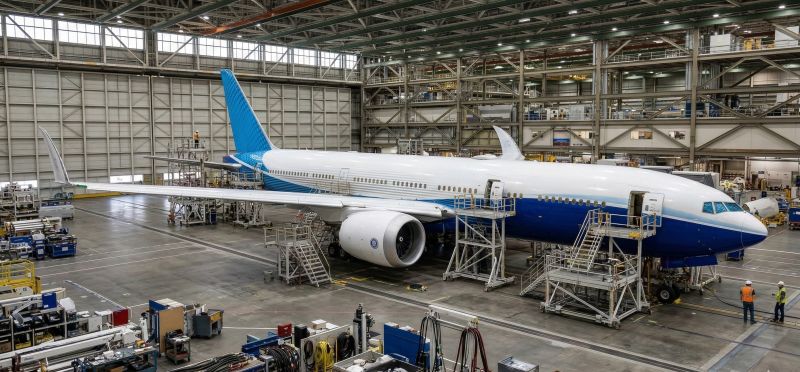
Boeing's 40,000 tonne removal deal and aviation's next phase
Supply-chain emissions are where most of aviation's footprint sits. Insetting models are emerging to reach that layer.
Read insight