Bridging the gap to maritime net zero
How the maritime sector can turn decarbonisation from obligation into opportunity ahead of the extraordinary MEPC session.
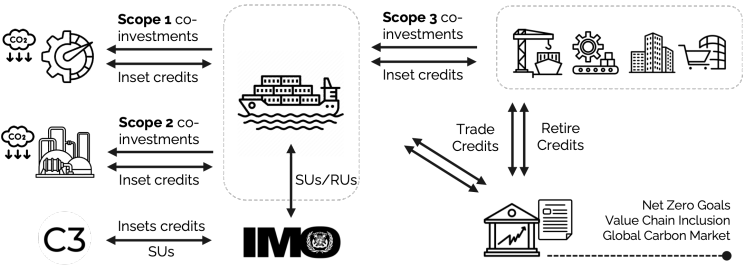
How do we bridge regulatory ambition with practical implementation? And in a world of regional schemes like the EU ETS and voluntary tools like Book & Claim (B&C), where does innovation fit? Drawing from recent analyses, including September 2025 report on C3's synergy with MEPC 83, this article explores how C3 not only complements these frameworks but accelerates equitable, scalable decarbonization.
C3 for MEPC 83
MEPC 83's outcomes are bold: a two-tier GHG levy, $100/tCO2 for emissions between compliance & base targets, and $380/tCO2 for emissions above base targets, alongside a fuel standard mandating progressive GHG intensity reductions via low-carbon options like biofuels and e-fuels. Revenues from the levy will fund equitable transitions, including subsidies for developing nations. However, success hinges on infrastructure. Building bunkering facilities and scaling e-fuel production demands hundreds of billions in capital, far beyond what the levy alone can muster.
C3 positions itself as financial infrastructure, and can help IMO MEPC succeed by integrating with IMO's Data Collection System for seamless verification, enabling trading of Surplus Units (SUs) from overcompliance, and distributing levy burdens across Scopes 1-to-3 stakeholders; all of this is possible with C3's inset credits as a instrument. Unlike traditional offsets, C3 keeps impacts embedded, turning compliance into profit for shippers, cargo owners, and investors. Without such tools, delays could jeopardize 2030 goals.
C3 and Book&Claim
While MEPC 83 enforces global standards, voluntary mechanisms like C3 and B&C drive private action. B&C is a chain-of-custody methodology that "books" sustainability attributes at production, and allows "claiming" elsewhere without physical delivery, ideal for aviation and emerging in maritime under FuelEU Maritime. C3 builds on insetting principles but evolves into a full marketplace: credits represent current or future verified reductions traded on open markets to drive incentives, co-financing and de-risking of sustainability initiatives and new infrastructure projects. B&C handles attribution; C3 adds liquidity. In terms of core focus, B&C emphasizes the attribution of fuel attributes without physical linkage through certification-based processes, while C3 prioritizes tradable insets for chain-wide reductions with trading and financing.
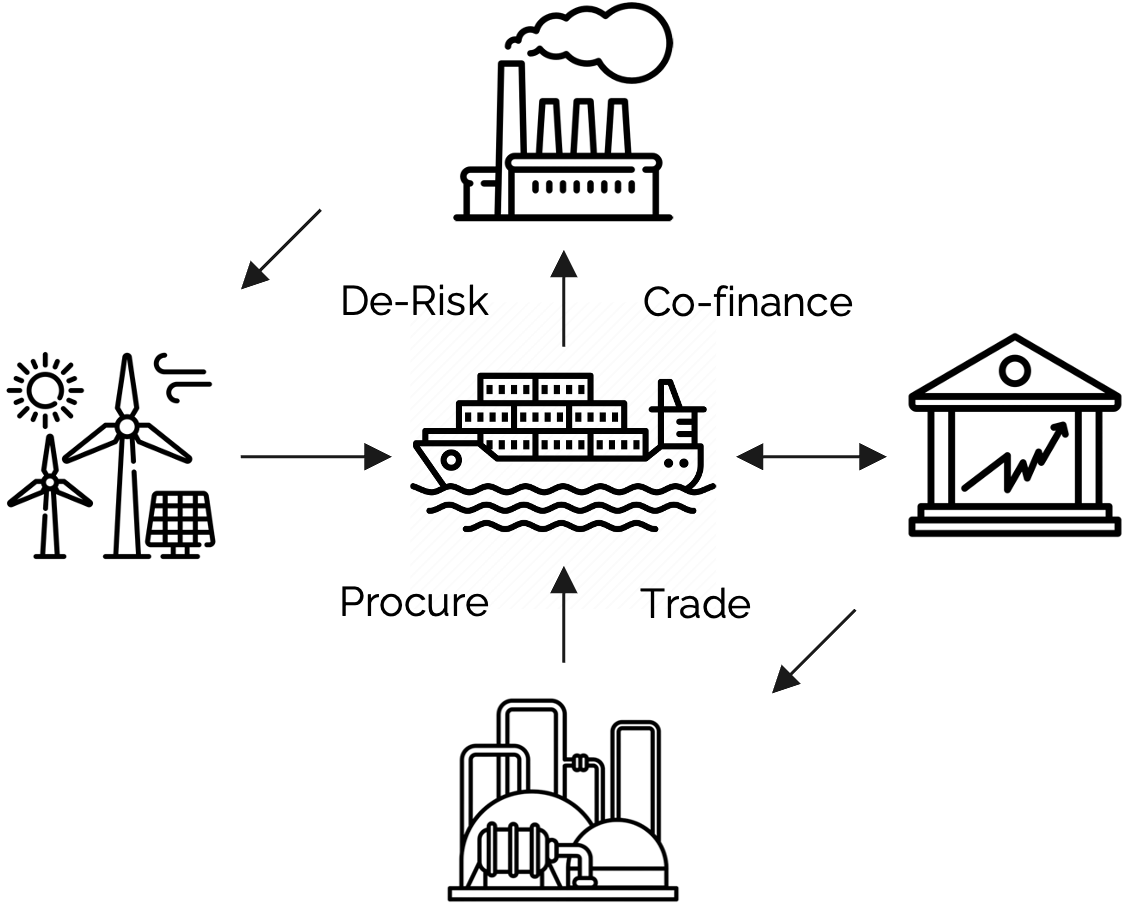
Economically, B&C offers scalability with low logistics costs and new revenue for producers, but it has static claims that limit monetization and fragmented pricing; conversely, C3 provides high liquidity via pre-purchase and arbitrage to de-risk new infrastructure investments. From a sustainability perspective, B&C boosts fuel demand signals and equitable access for small operators, yet its physical disconnect may slow uptake and remains fuel-centric; C3 ensures additionality and integrates the whole Scope 1-to-3 spectrum of stakeholders to participate physically and/or financially.
Originally published on LinkedIn, 9 October 2025.
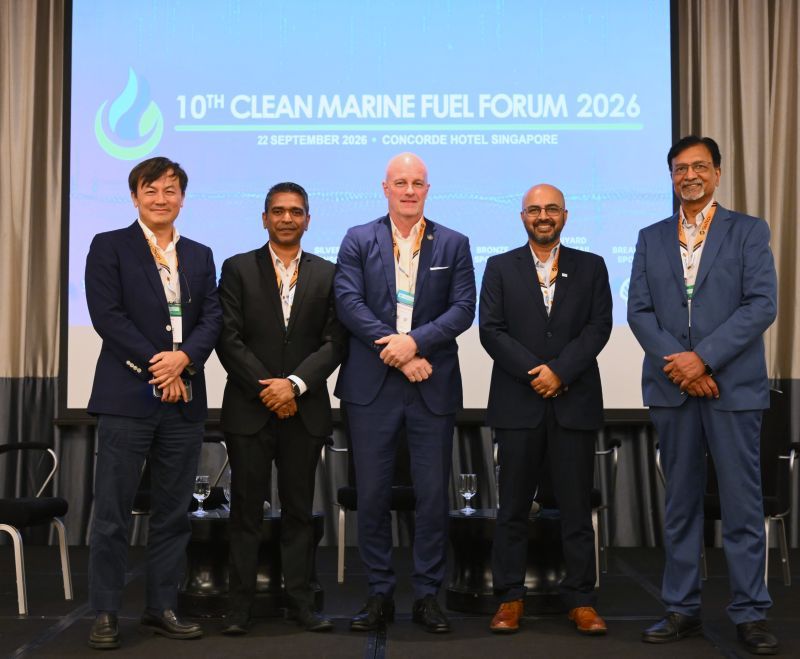
Ethanol isn't a better marine fuel. It's an earlier one.
At the Clean Marine Fuel Forum in Singapore, the case for ethanol rests on three tests: the molecules exist, the assets already work, and the economics clear today.
Read insight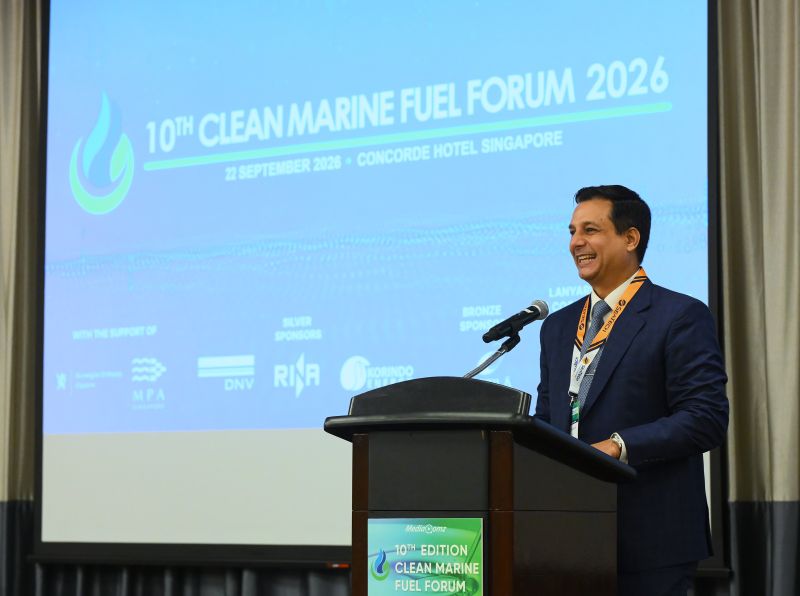
Ten years of the Clean Marine Fuel Forum
No single fuel or pathway to net zero, but progress cannot wait for perfect certainty. A recap of the 10th Clean Marine Fuel Forum in Singapore.
Read insight