Cargo owners need reductions now, not at the deadline
Regulation promotes last-minute compliance. Market-based tools let cargo owners fund lower-carbon fuels on their contracted vessels today.
Cargo owners, who account for most shipping-related emissions in their value chains, need reliable ways to reduce these emissions now rather than waiting for future regulatory deadlines.
While measures such as FuelEU Maritime and the EU ETS are helping to narrow the price difference between conventional bunker fuel and greener options like methanol and ammonia, they generally promote compliance at the last minute. With annual global fuel consumption at around 300 million tonnes and ongoing price volatility, regulation on its own is unlikely to deliver the pace of Scope 3 reductions that many companies require.
We suggest that market-based tools, such as insetting and book-and-claim systems, can usefully supplement regulation. These mechanisms let cargo owners support the higher cost of lower-carbon fuels or efficiency improvements on their contracted vessels and receive verified emissions reductions for their Scope 3 reporting. In turn, shipowners and fuel suppliers can offset part of the additional expense, improving alignment across the entire supply chain. Success depends on independent verification, full transparency, and seamless compatibility with existing rules.
The complete article is available here: shipandbunker.com
Originally published on LinkedIn, 10 April 2026.

Ethanol isn't a better marine fuel. It's an earlier one.
At the Clean Marine Fuel Forum in Singapore, the case for ethanol rests on three tests: the molecules exist, the assets already work, and the economics clear today.
Read insight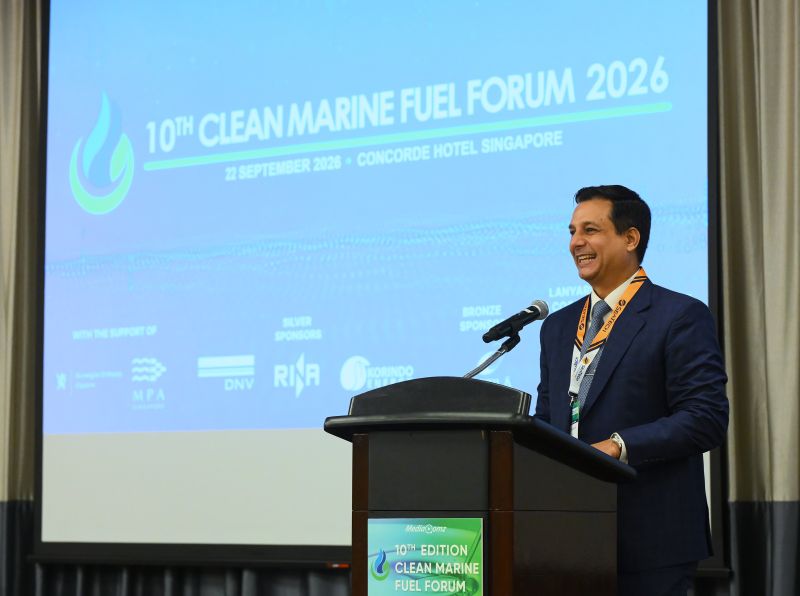
Ten years of the Clean Marine Fuel Forum
No single fuel or pathway to net zero, but progress cannot wait for perfect certainty. A recap of the 10th Clean Marine Fuel Forum in Singapore.
Read insight