Decarbonising the shipping industry with C3
Our February 2025 brief on the cost of maritime decarbonisation, and how inset credits can help fund it across the value chain.
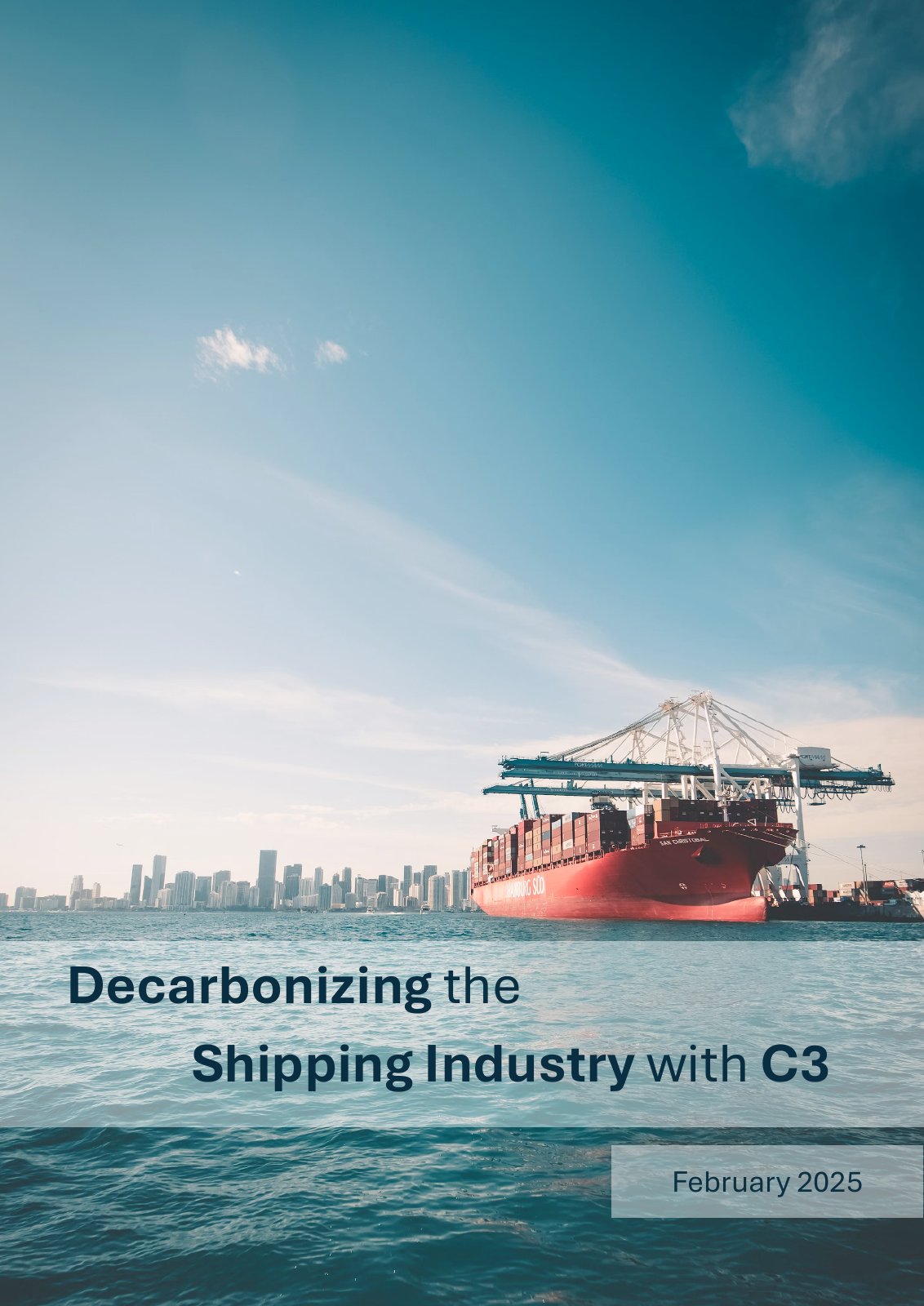 Open the document (PDF)
This two-page brief, published in February 2025, set out the case that still shapes our maritime work. Shipping carries more than 80 percent of the world's goods and produces more than 2.5 percent of global CO2 emissions. Cutting those emissions is expensive at every level: new low-emission vessels, alternative fuels that cost several times more than heavy fuel oil, and infrastructure that does not yet exist at scale.
Regulation raises the cost of waiting. Under the EU ETS, carbon costs for ships calling at European ports could reach EUR 100 to 200 per tonne by 2030, which adds up to millions per vessel.
The brief shows how inset credits can turn part of that burden into revenue. In its worked example, a EUR 100 million vessel investment could be partly funded by EUR 10 to 20 million from credit sales over the ship's lifetime. Ports can use the same mechanism to finance shore power, fuel suppliers to attract investment in alternative fuel production, and cargo owners to cut their Scope 3 emissions directly.
Originally published on LinkedIn, 16 October 2025.
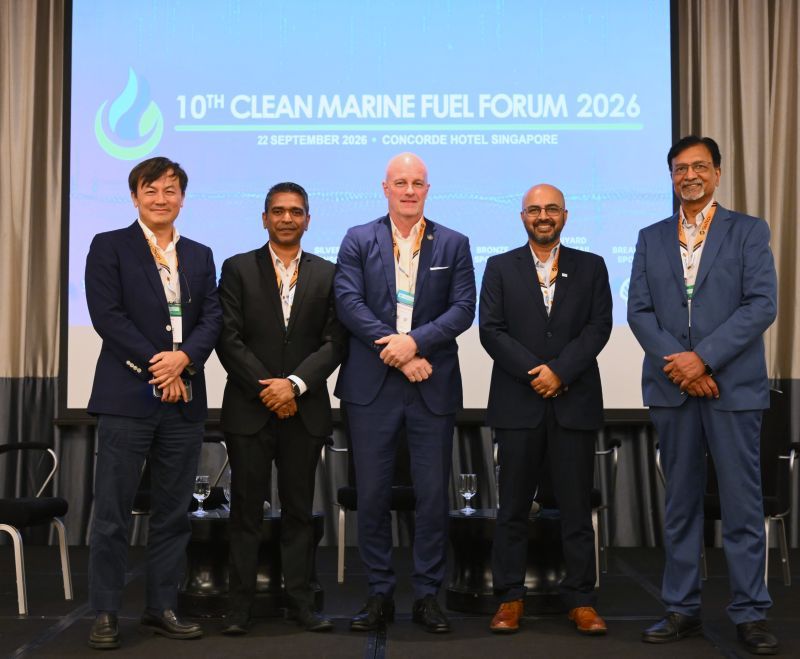
Ethanol isn't a better marine fuel. It's an earlier one.
At the Clean Marine Fuel Forum in Singapore, the case for ethanol rests on three tests: the molecules exist, the assets already work, and the economics clear today.
Read insight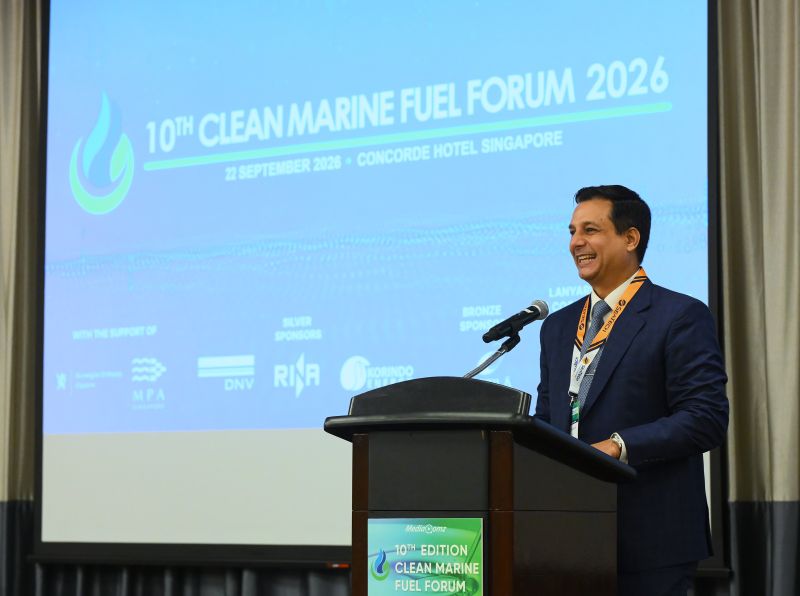
Ten years of the Clean Marine Fuel Forum
No single fuel or pathway to net zero, but progress cannot wait for perfect certainty. A recap of the 10th Clean Marine Fuel Forum in Singapore.
Read insight