Market-driven decarbonisation: our feature in Ship & Bunker
Green methanol and ammonia trade at USD 1,200 to 2,000 a tonne. Regulation alone will not close that gap.
Market-driven decarbonisation: Our latest feature in Ship & Bunker
Regulation is coming, but is it enough to close the "Green Premium" gap? In our latest published viewpoint, the Carbon3 team argues that for the maritime industry to reach Net Zero, we must move beyond compliance and start leveraging market-driven incentives.
We highlight how carbon insetting and value-chain coordination can help shipowners and cargo owners share the cost of the energy transition. At Carbon3, we are dedicated to building the tools that make these complex economic shifts possible.
Key themes covered:
- Overcoming the 2x-3x cost gap of alternative fuels.
- The importance of operational efficiency in a high-cost fuel future.
- How to monetize carbon savings across the supply chain.
Article link: shipandbunker.com
We believe that while regulation (FuelEU Maritime and EU ETS) is essential, it’s not enough on its own. With green methanol and ammonia still trading at US$1,200-2,000+ per tonne versus conventional bunkers now above US$1,000/t, real progress depends on market mechanisms that properly align incentives across the entire value chain: shipowners, charterers and cargo owners alike.
We explore how insetting, book-and-claim systems and monetising verified efficiency gains can turn decarbonisation from a compliance cost into a shared value opportunity.
Huge thanks to the Ship & Bunker team for publishing our piece. We hope it sparks constructive discussion across the industry.
Originally published on LinkedIn, 10 April 2026.
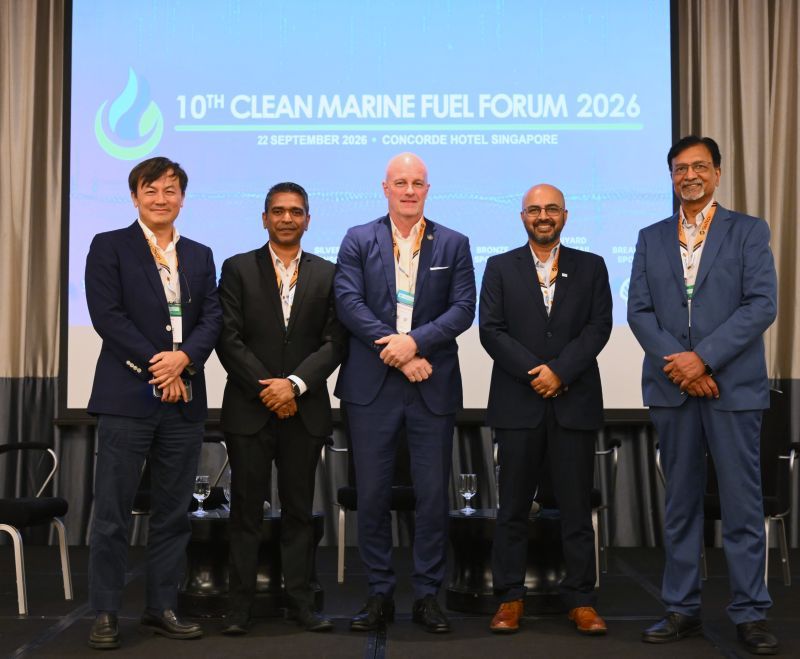
Ethanol isn't a better marine fuel. It's an earlier one.
At the Clean Marine Fuel Forum in Singapore, the case for ethanol rests on three tests: the molecules exist, the assets already work, and the economics clear today.
Read insight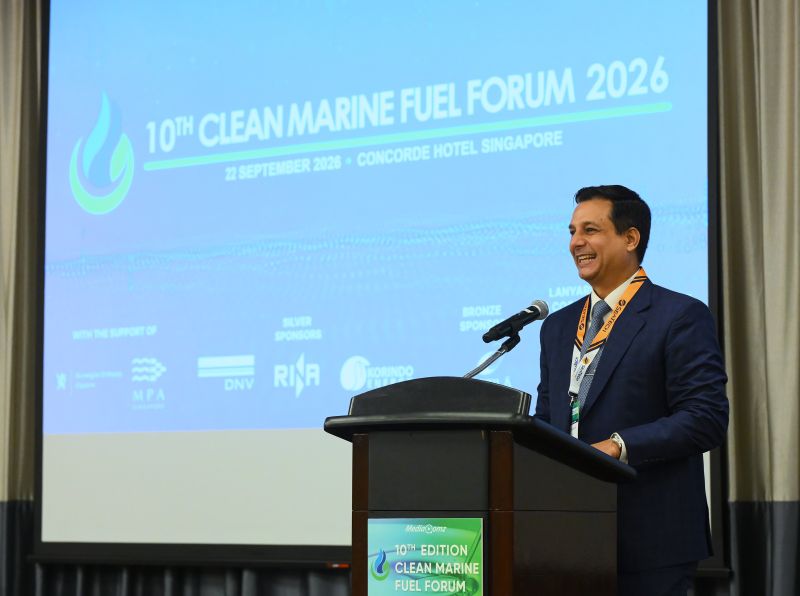
Ten years of the Clean Marine Fuel Forum
No single fuel or pathway to net zero, but progress cannot wait for perfect certainty. A recap of the 10th Clean Marine Fuel Forum in Singapore.
Read insight