Scope 3 isn't a reporting problem. It's a capital-allocation problem.
Why supply-chain decarbonisation stays unfunded, and what kind of fix it actually needs.
 Open the document (PDF)
Most of a typical company's footprint sits in Scope 3, in a supply chain it is accountable for but does not control. Targets under SBTi, CSRD and IFRS S2 bind the buyer, while the levers to cut emissions sit with its suppliers.
The trouble is how the money is booked. When a buyer funds a supplier's abatement, today's accounting treats it as a sunk cost on both sides of the transaction. The supplier who cuts earns nothing extra for doing so, so capital flows the wrong way or does not flow at all.
This carousel sets out the problem, the mechanism and why it matters now. The fix is not more disclosure. It is market infrastructure that turns a verified tonne reduced inside the value chain into a priced asset that can be allocated, traded and retired against a Scope 3 claim.
Originally published on LinkedIn, 18 July 2026.
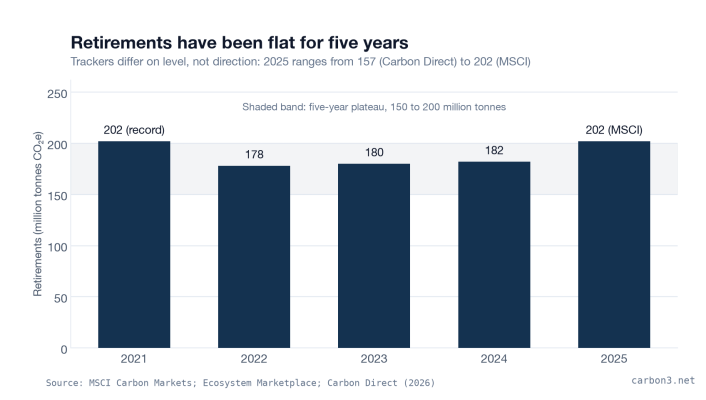
Carbon markets 2026: flat on the surface, splitting underneath
Where the voluntary carbon market and corporate supply-chain climate action are heading, based on registry data, new standards and disclosed deals.
Read insight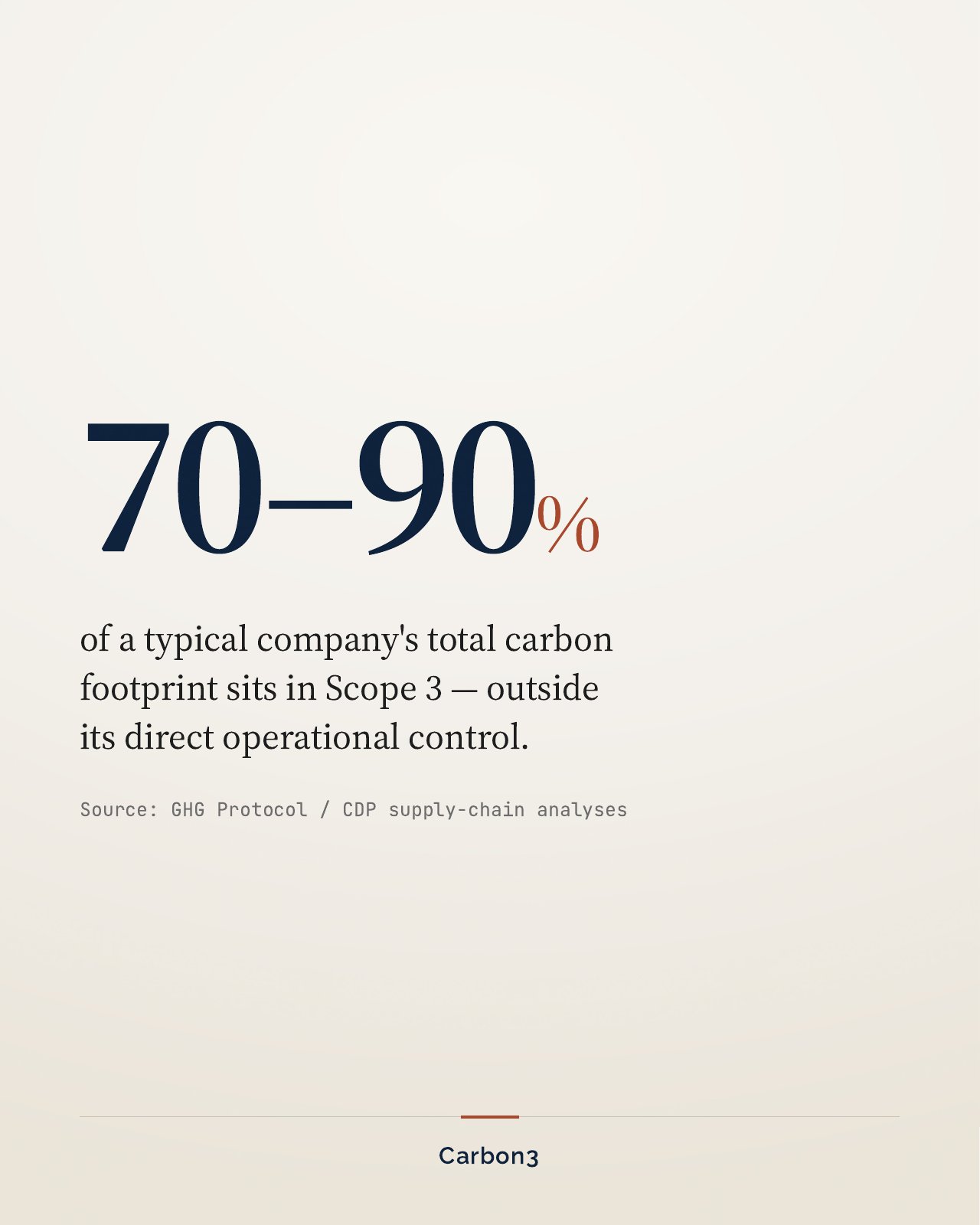
Three numbers behind the insetting paradox
Most emissions sit in Scope 3, funding a supplier's cut recovers nothing today, and one inset credit changes that.
Read insight