The IMO delay is a demand signal for policy-agnostic decarbonisation
Insetting lets cargo owners co-finance clean fuels, de-risk projects and secure FuelEU compliance while regulation stalls.
While global regulation halts, insetting provides certainty, control, and competitive advantage, today. The IMO NZF delay was not a setback, but demand signaling for a more resilient, policy-agnostic decarbonization strategy insetting - and a more flexible open-market financial instrument inset credits.
Insetting enables cargo owners and shippers to: Co-finance scalable clean fuels together with supply chain partners. De-risk projects through simple offtake agreements and inset credits.
- Secure immediate compliance with FuelEU and other frameworks. Learn more at https://www.carbon3.net/
Why one should not wait on IMO's policies: The reconvened session in October 2026 faces a high probability of further stalling or outright rejection, given the entrenched U.S. political landscape. The administration has framed the NZF as an "unaccountable UN global carbon tax" that burdens American consumers and favors competitors like China, issuing explicit threats of tariffs, sanctions, and port levies against supportive nations.
Media link: reuters.com
Originally published on LinkedIn, 28 October 2025.
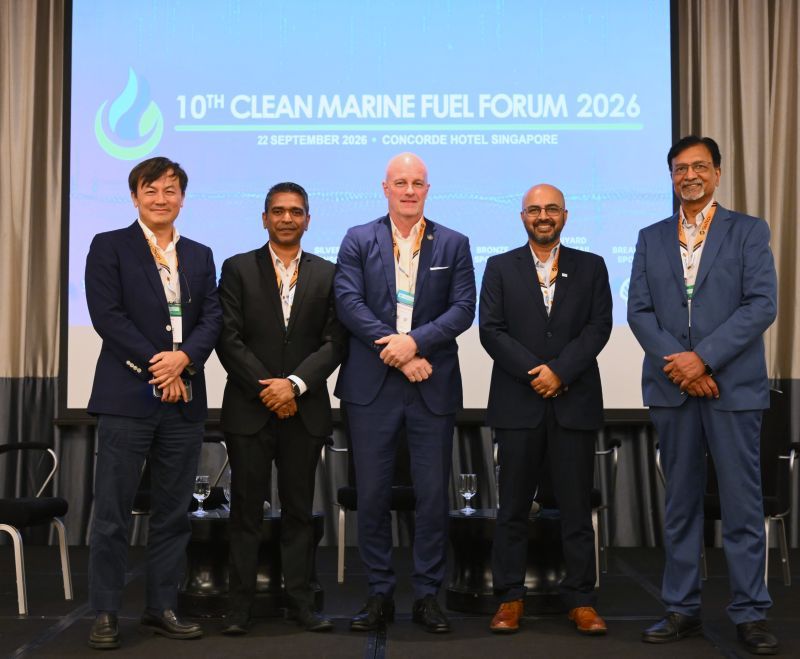
Ethanol isn't a better marine fuel. It's an earlier one.
At the Clean Marine Fuel Forum in Singapore, the case for ethanol rests on three tests: the molecules exist, the assets already work, and the economics clear today.
Read insight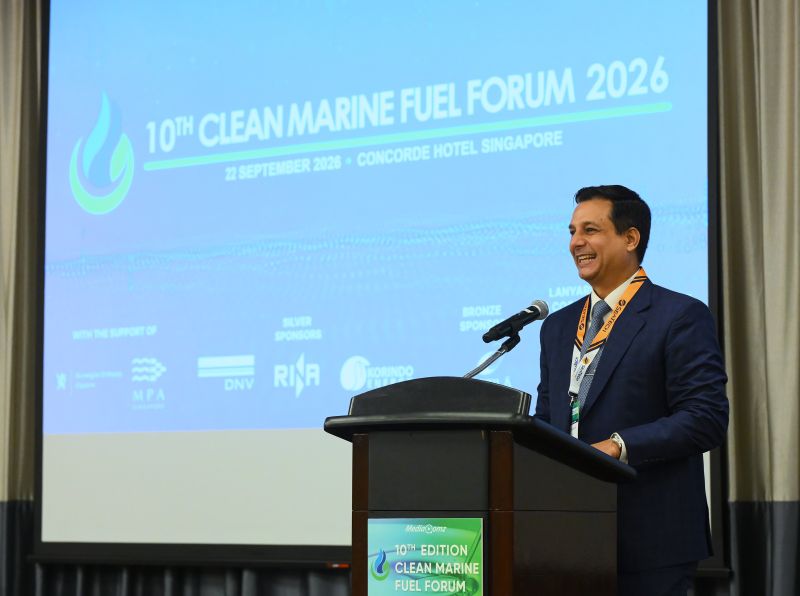
Ten years of the Clean Marine Fuel Forum
No single fuel or pathway to net zero, but progress cannot wait for perfect certainty. A recap of the 10th Clean Marine Fuel Forum in Singapore.
Read insight