The US stands firm against a carbon tax in IMO shipping talks
Washington's conditions for any IMO net-zero deal, and the alternative green pathways that do not depend on it.
In a bold diplomatic move, the United States has outlined strict conditions for any new International Maritime Organization (IMO) agreement on net-zero greenhouse gas goals for international shipping. As detailed in a recent Lloyd's List report [1], the US is rejecting any global carbon tax, financial penalties on emissions, or measures that could burden economies or favor specific fuels. Instead, they're advocating for continued use of diesel and LNG without restrictions, while pushing for industry-led innovation and the phaseout of regional schemes like the EU's Emissions Trading System (ETS) for shipping.
This stance, aligned with proposals from Panama, Liberia, and Argentina, could dilute ambitious efforts at the upcoming MEPC84 meeting, potentially prioritizing fossil fuels and US LNG exports over rapid transitions. On the flip side, Pacific Island nations are holding the line, insisting that carbon pricing and a Net-Zero Fund are essential for an equitable global shift. It's a high-stakes standoff that highlights the tensions between climate urgency and economic priorities in one of the hardest-to-abate sectors. Shipping accounts for about 3% of global emissions, could this lead to more fragmented regional regulations, or force creative voluntary solutions?
Alternative Pathways
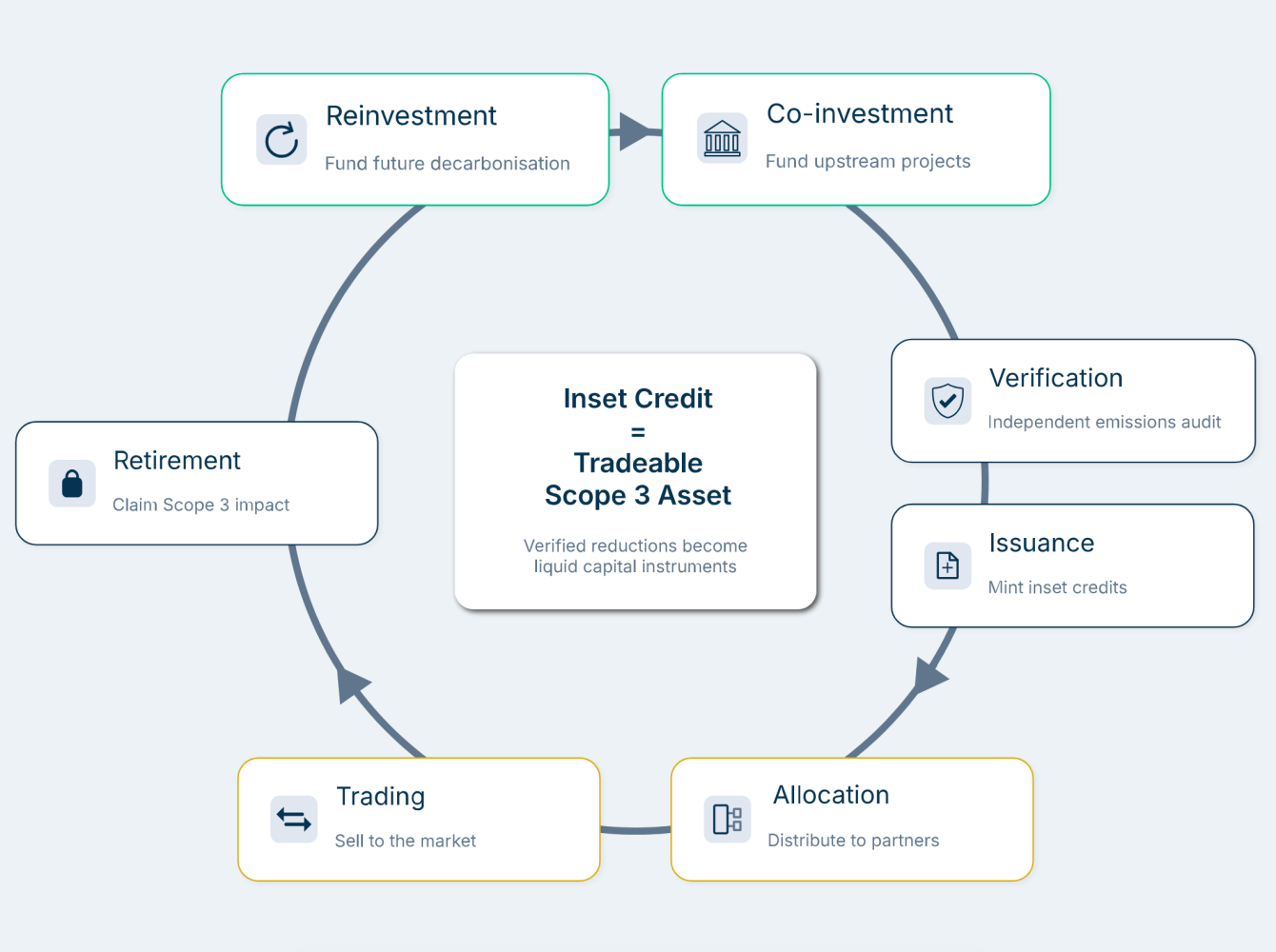
While the IMO negotiations underscore the challenges of mandatory global carbon pricing, platforms like carbon3.net [2] offer a distinct, voluntary alternative focused on Scope 3 insetting. Unlike regulatory taxes or penalties that depend on international agreements, Carbon3 enables companies to drive emissions reductions directly within their own supply chains: verifying cuts, creating tradable inset credits, and sharing financial benefits with partners. This approach remains viable regardless of IMO outcomes, as it empowers shipping firms, suppliers, and logistics providers to collaborate on initiatives like fleet electrification or sustainable fuel sourcing without waiting for top-down mandates.
Originally published on LinkedIn, 10 March 2026.
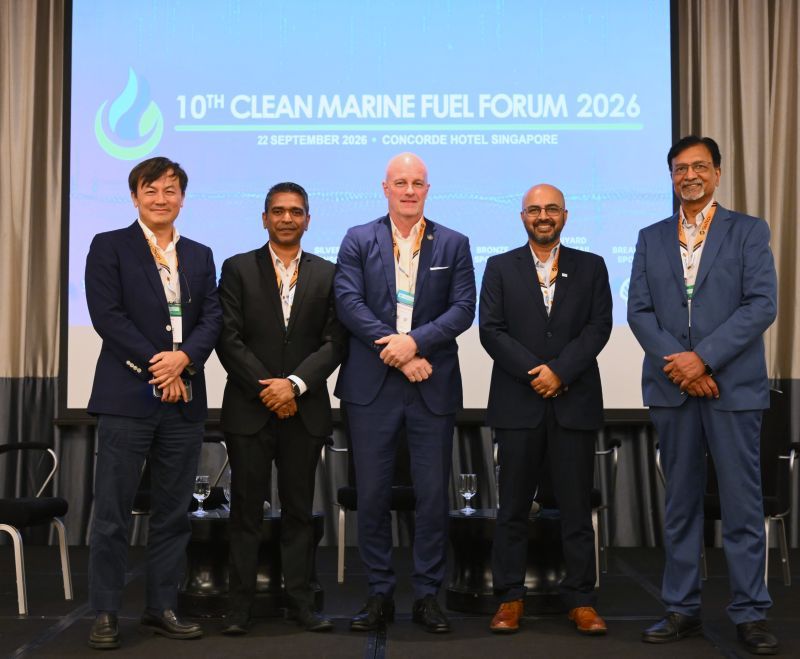
Ethanol isn't a better marine fuel. It's an earlier one.
At the Clean Marine Fuel Forum in Singapore, the case for ethanol rests on three tests: the molecules exist, the assets already work, and the economics clear today.
Read insight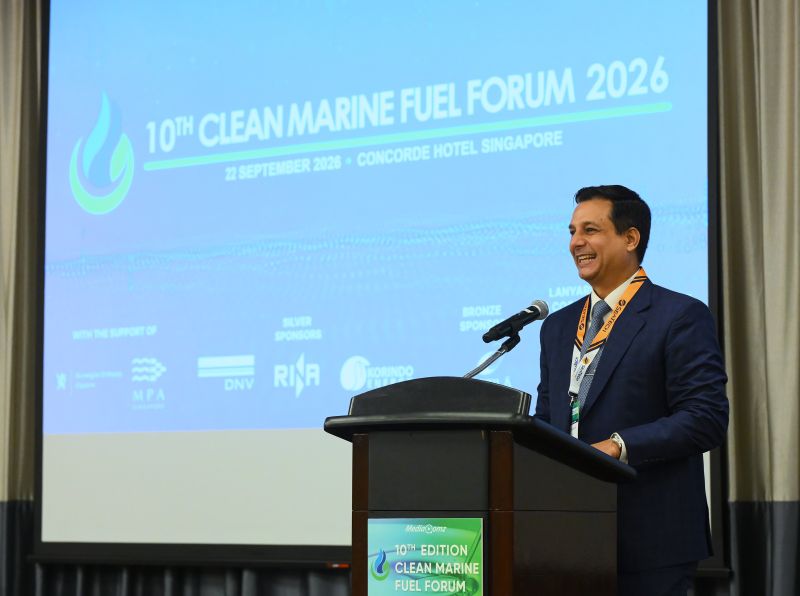
Ten years of the Clean Marine Fuel Forum
No single fuel or pathway to net zero, but progress cannot wait for perfect certainty. A recap of the 10th Clean Marine Fuel Forum in Singapore.
Read insight