Yara: cost discipline and decarbonisation as one agenda
Record operational performance alongside 42.6 million tCO2e of Scope 3. Cash freed by discipline creates room for lower-carbon pathways.
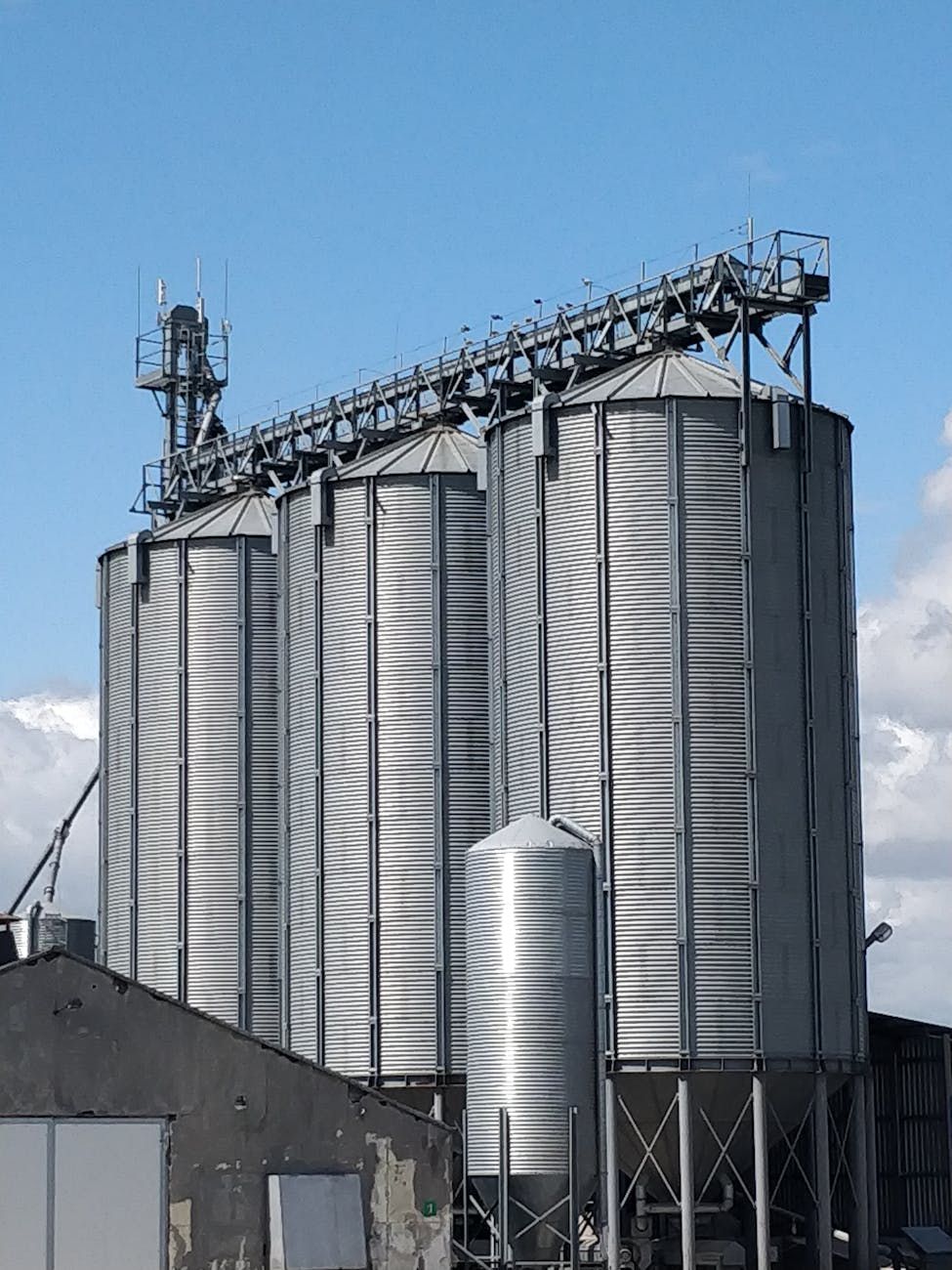
What if the next advantage in fertilizers comes from treating cost discipline and decarbonization as the same operating agenda?
That is one of the more interesting signals in Yara’s latest reporting. Yara’s 2025 annual report highlights 10.7% ROIC, more than USD 200 million of fixed-cost reductions delivered since 2Q 2024, and continued capital discipline, alongside record operational performance. At the same time, the company is still managing a very large emissions base across its value chain: your source notes Scope 1 at 14.9 million tCO₂e and Scope 3 at 42.6 million tCO₂e, while Yara also reported a 10% reduction in GHG intensity since 2018 and progress on lower-emissions ammonia initiatives.
That combination matters. In fertilizer markets, where margins remain exposed to feedstock costs, carbon policy, and customer pressure, operational excellence is no longer separate from transition strategy. Yara’s framing suggests that cash flow freed up through portfolio optimization and cost reduction can strengthen resilience today while also creating room for lower-carbon production pathways tomorrow. That is a more credible model than treating decarbonization as a side program.
What strategies are gaining traction in agriculture and fertilizers for turning decarbonization investments into stronger long-term margins?
Yara International Bernhard Stormyr
Originally published on LinkedIn, 26 March 2026.
Supermarkets are struggling with food emissions
Madre Brava's UK director on why farm-level change is too slow and too small to hit near-term retail targets.
Read insight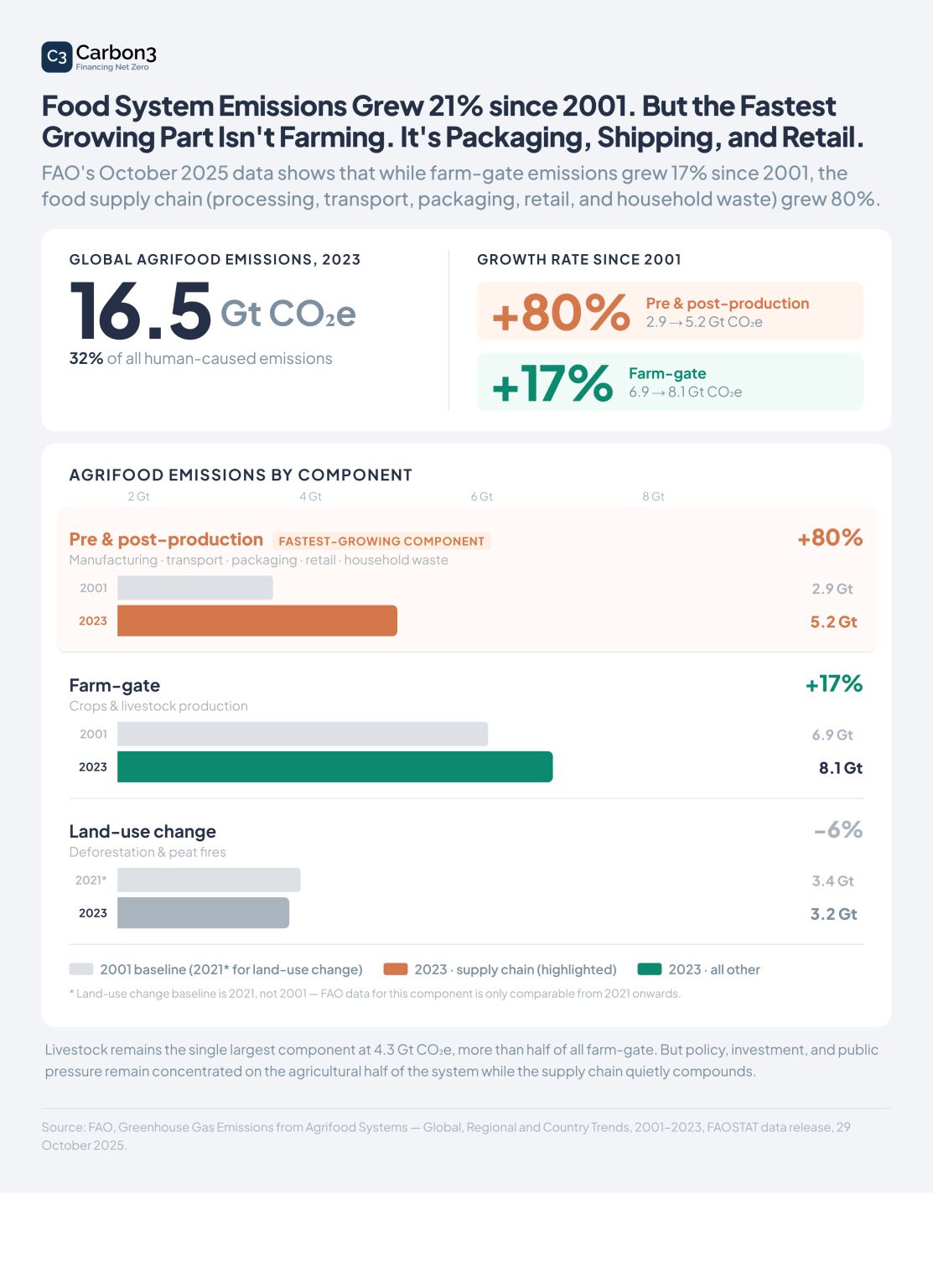
Agrifood emissions growth has shifted to packaging, shipping, waste and retail
On-farm practices remain the largest driver, but pre- and post-production services deserve closer attention for their Scope 3 impact.
Read insight