Decarbonisation is being reframed as energy security
The latest energy shock is a reminder that dependence on fossil supply carries geopolitical and commercial risk.
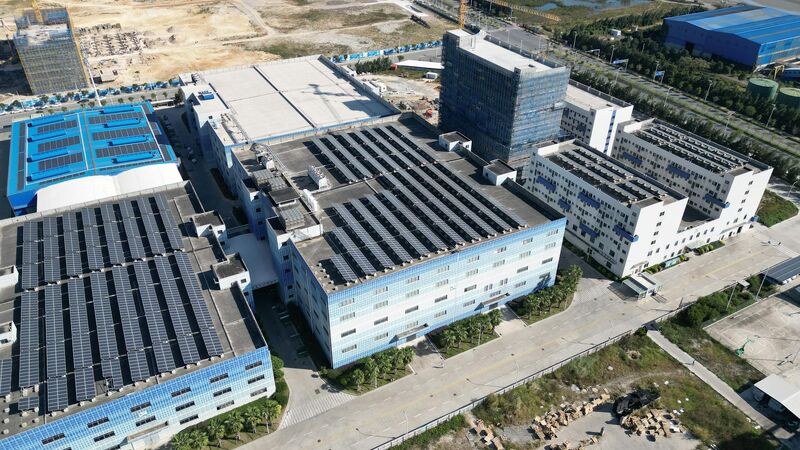
Decarbonization is being reframed in real time: as a resilience and energy security strategy.
The latest energy shock is a reminder that dependence on traditional energy sources carries real geopolitical and commercial risk. When conflict disrupts supply, businesses are left exposed to price volatility, scarcity, and uncertainty.
That is one reason renewables, efficiency, and electrification matter beyond climate goals. They can strengthen energy security, support greater sovereignty, and reduce reliance on vulnerable fossil fuel supply chains.
For businesses, this shift may also change where action happens next. The next phase of decarbonization is unlikely to be defined only by massive retrofits or long-dated transformation programs. It may come from practical, lower-lift improvements: efficiency gains, cleaner fuel switching, logistics optimization, and operational changes that cut emissions while reducing dependence.
These projects are often smaller, distributed, and harder to value clearly. But together, they can make supply chains more resilient and more competitive. At Carbon3, we believe the next chapter of decarbonization will be built around practical improvements that reduce emissions, strengthen supply chains, and help fund the transition through credible market-based mechanisms.
Energy security and decarbonization are moving closer together. The companies that act on both at once may be the ones best prepared for what comes next.
Originally published on LinkedIn, 30 March 2026.
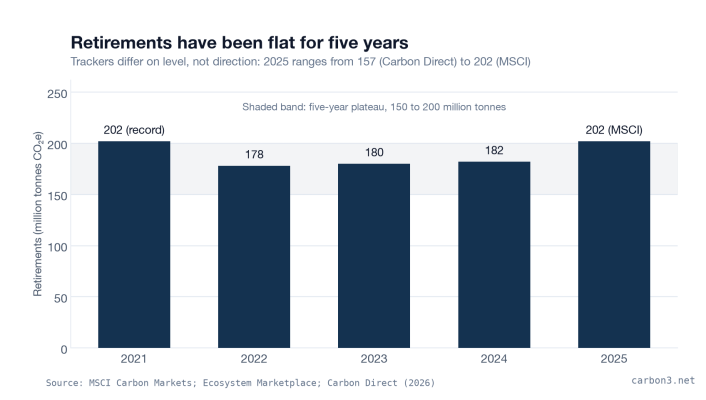
Carbon markets 2026: flat on the surface, splitting underneath
Where the voluntary carbon market and corporate supply-chain climate action are heading, based on registry data, new standards and disclosed deals.
Read insight
Scope 3 isn't a reporting problem. It's a capital-allocation problem.
Why supply-chain decarbonisation stays unfunded, and what kind of fix it actually needs.
Read insight