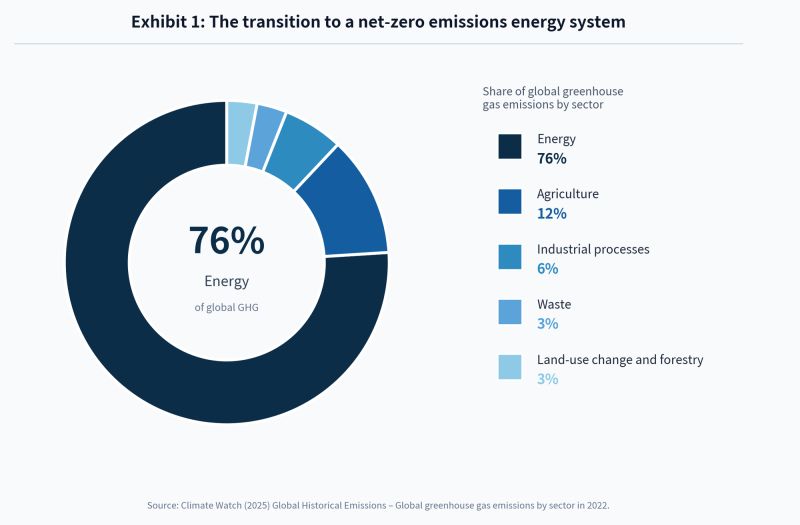
Blended finance moves money. Proof keeps it there.
Allianz Global Investors makes two useful points about financing the transition. Neither answers the question of what the money actually paid for.
Read insight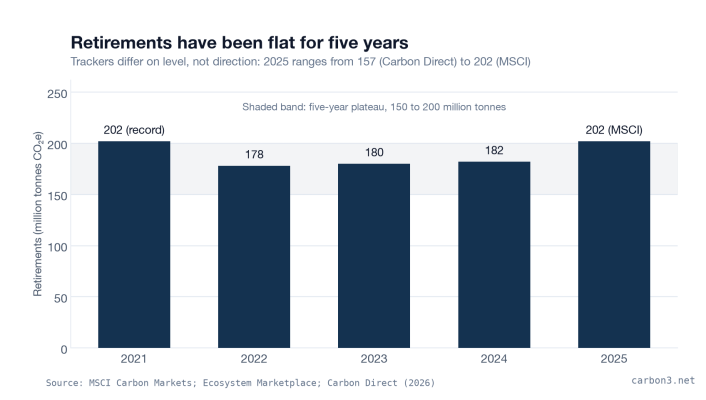
Carbon markets 2026: flat on the surface, splitting underneath
Where the voluntary carbon market and corporate supply-chain climate action are heading, based on registry data, new standards and disclosed deals.
Read insight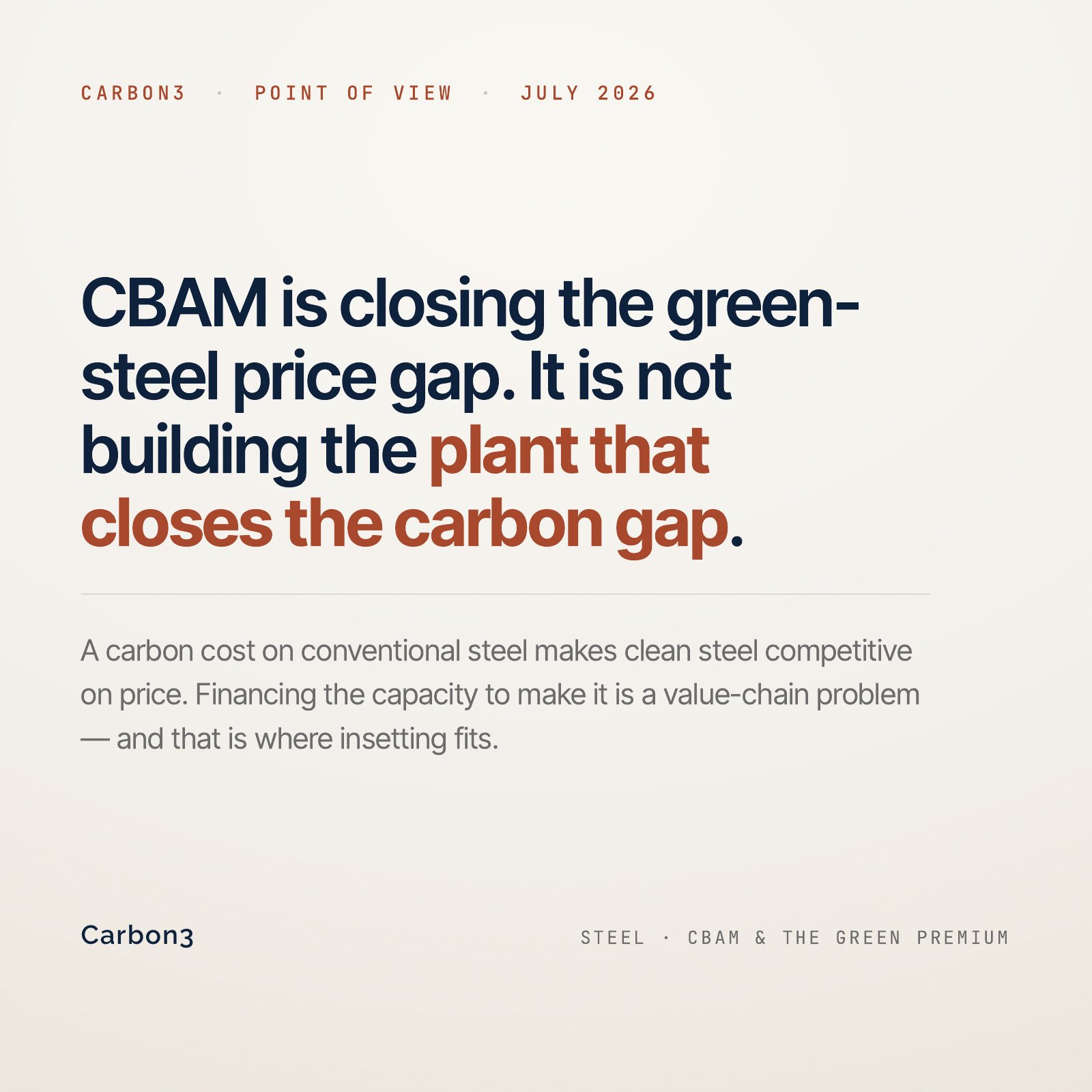
The cost case against green steel is eroding
CBAM is pushing the carbon cost on conventional steel toward the green premium. Price convergence still does not build capacity.
Read insight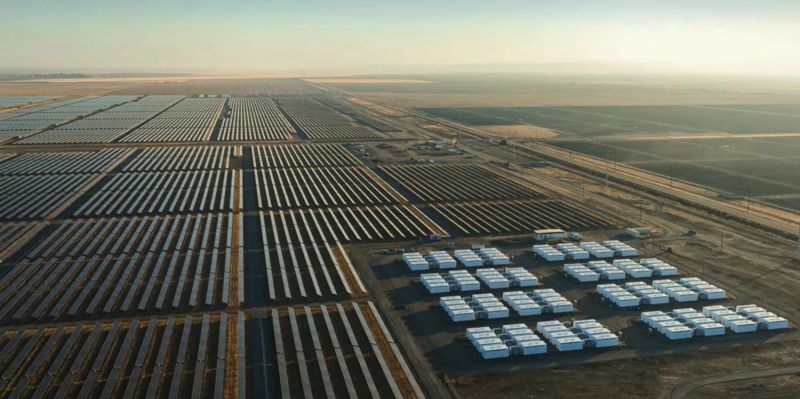
The US clean energy pipeline needs buyers, not more intent
Announced clean generation is outpacing cancellations. Corporate Scope 3 spend is the demand signal stalled projects lack.
Read insight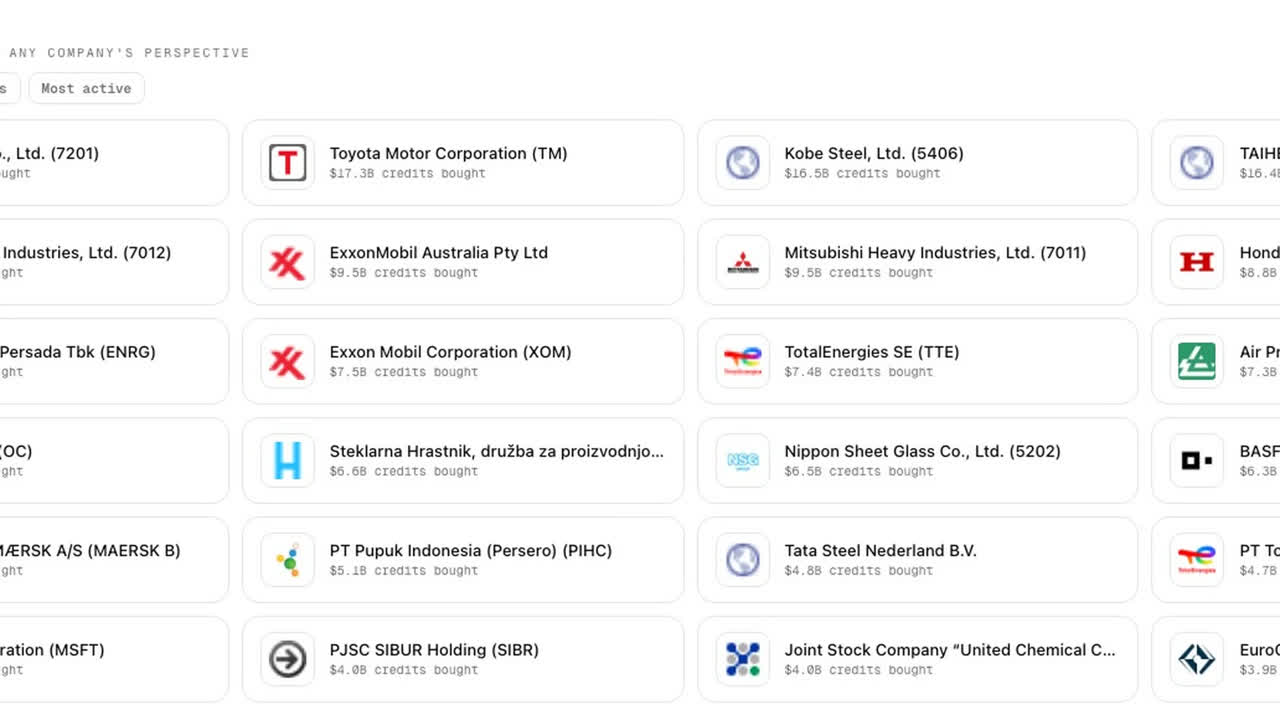
We built a global insetting market and simulated it end to end
Supply-chain decarbonisation is a financing problem. The question is who profits most when a Scope 3 market emerges.
Read insight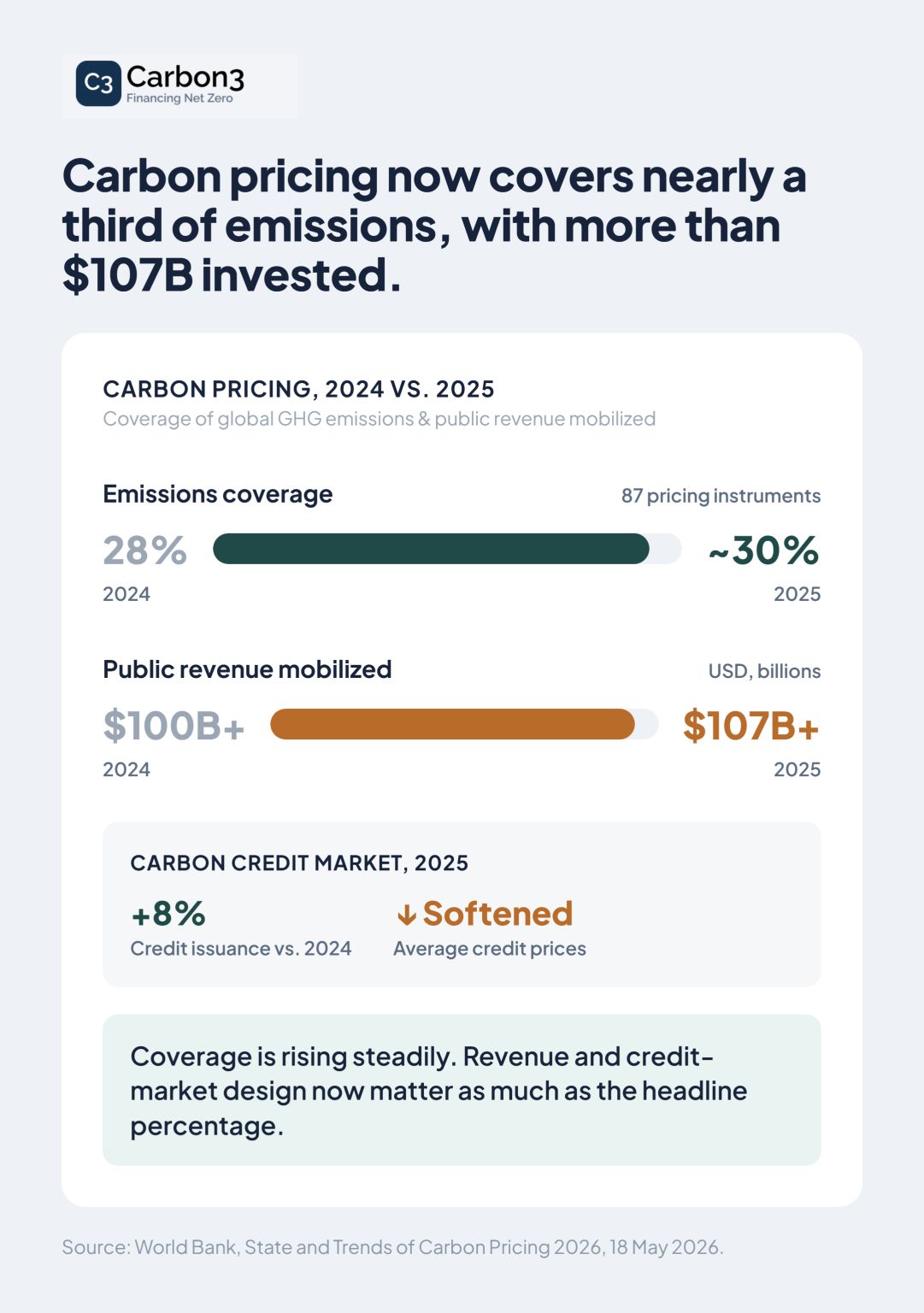
Carbon pricing covers nearly 30 percent of global emissions
Pricing systems raised more than USD 107 billion for public budgets in 2025. The next question is how those revenues are recycled.
Read insight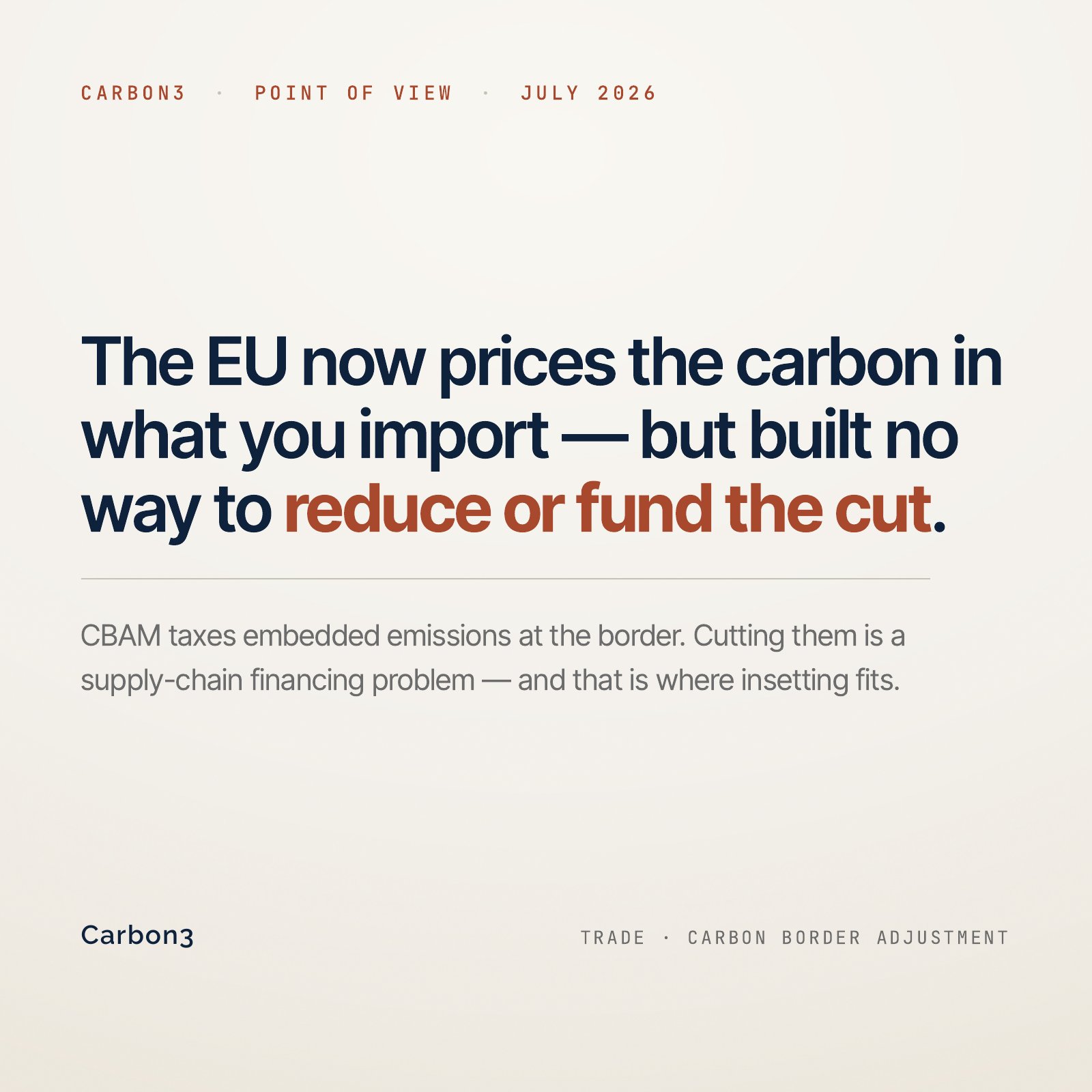
CBAM prices the tonne but does not fund removing it
The importer measures and pays, and the emissions stay. The verified data a CBAM declaration requires is the baseline an inset credit needs.
Read insight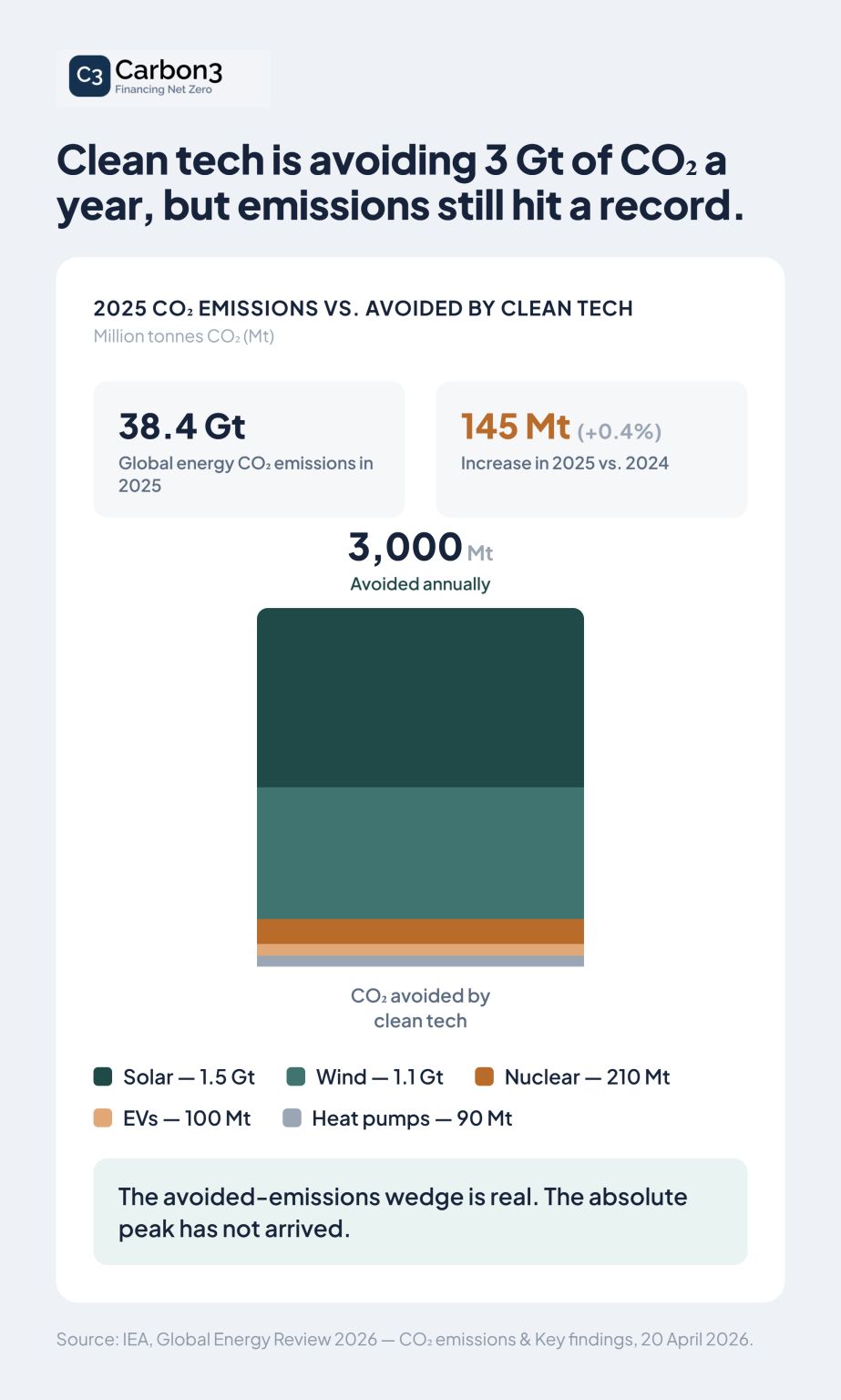
Clean technology avoids around 3 gigatonnes of CO2 a year, and emissions still hit a record
Solar, wind, nuclear, electric vehicles and heat pumps are materially reducing fossil demand, but the absolute peak has not arrived.
Read insight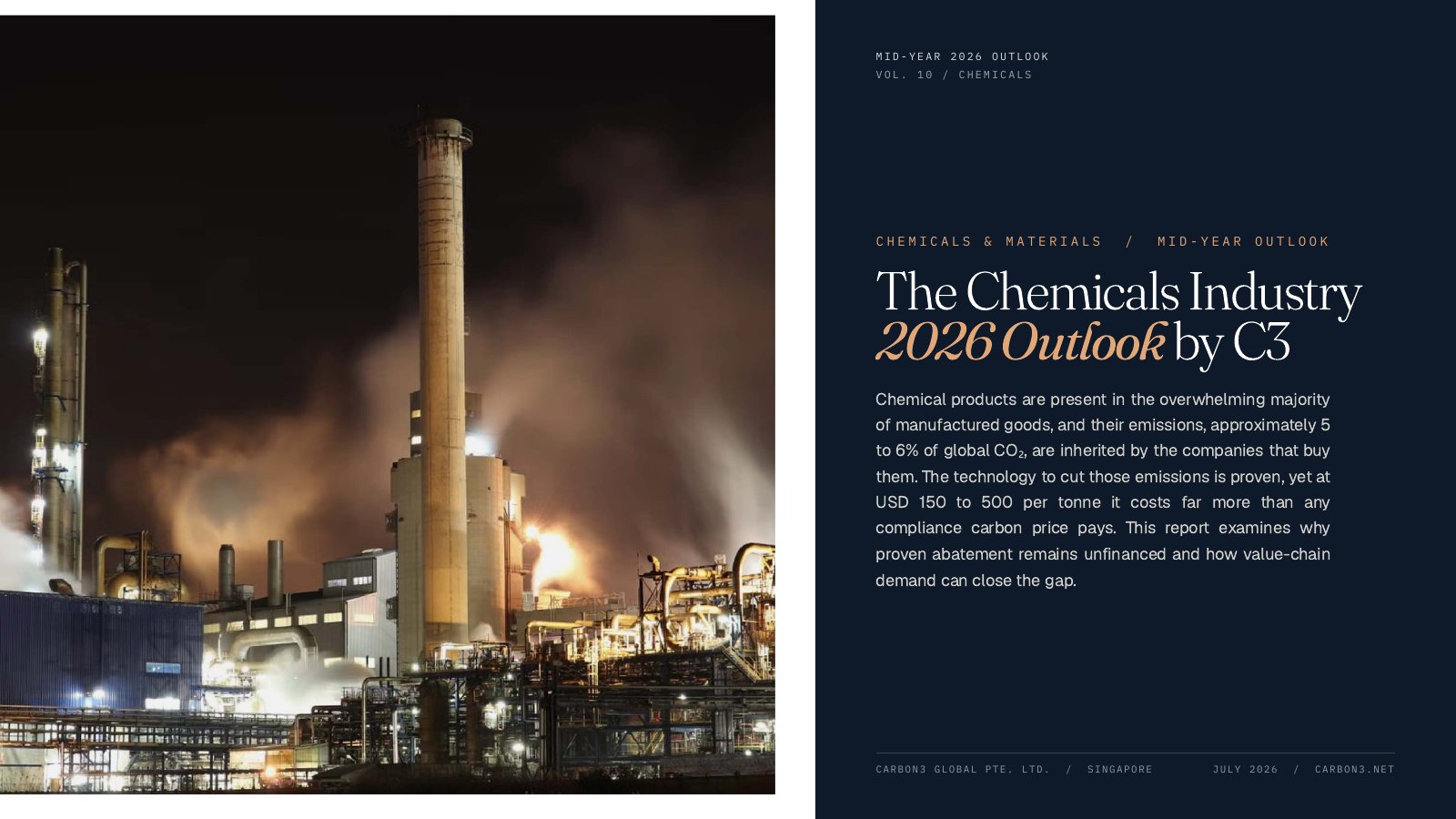
The Chemicals Outlook 2026
The sector accounts for 5 to 6 percent of global emissions and faces a USD 850 to 900 billion capital gap to 2030. Downstream demand is the missing ingredient.
Read insight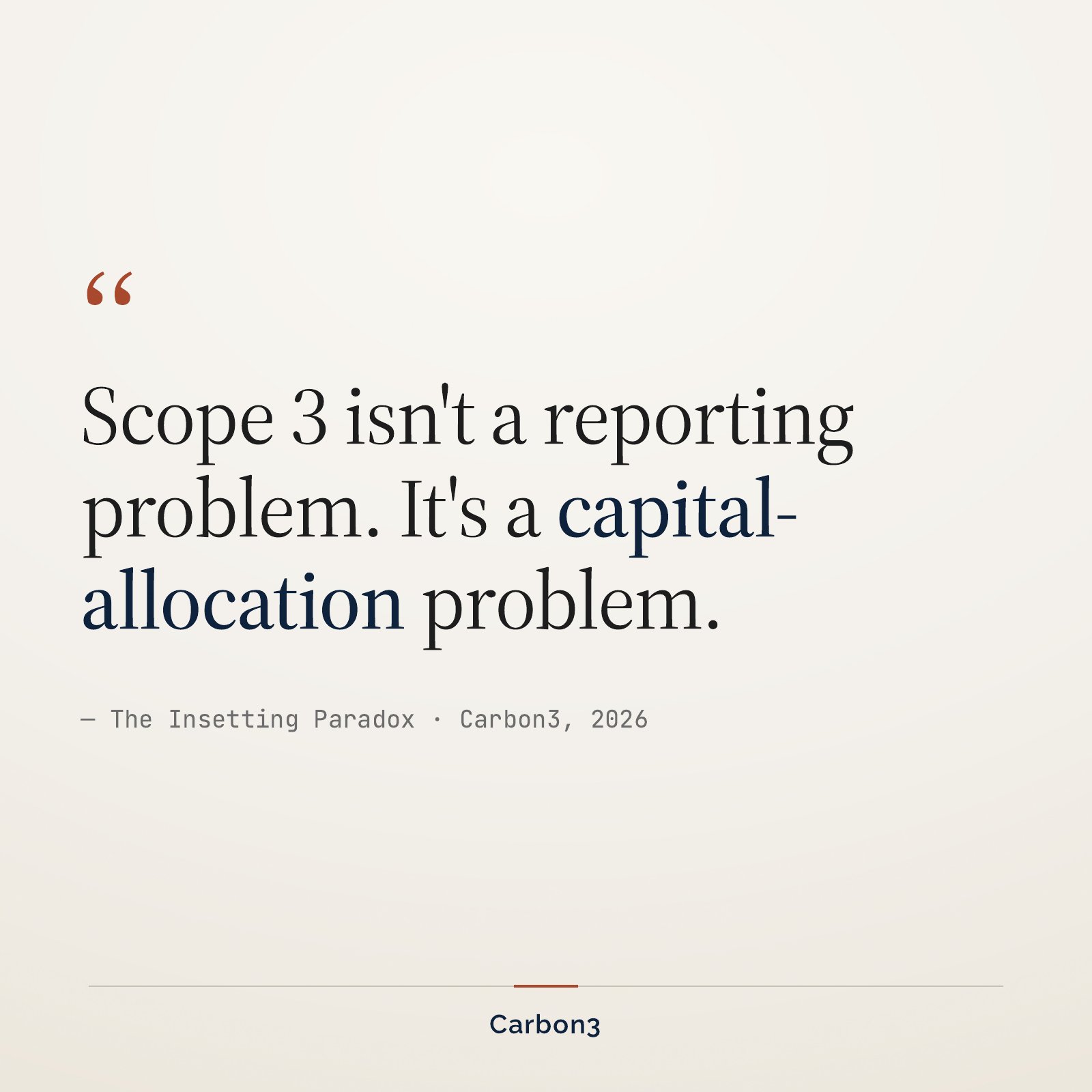
Scope 3 isn't a reporting problem. It's a capital-allocation problem.
Why supply-chain decarbonisation stays unfunded, and what kind of fix it actually needs.
Read insight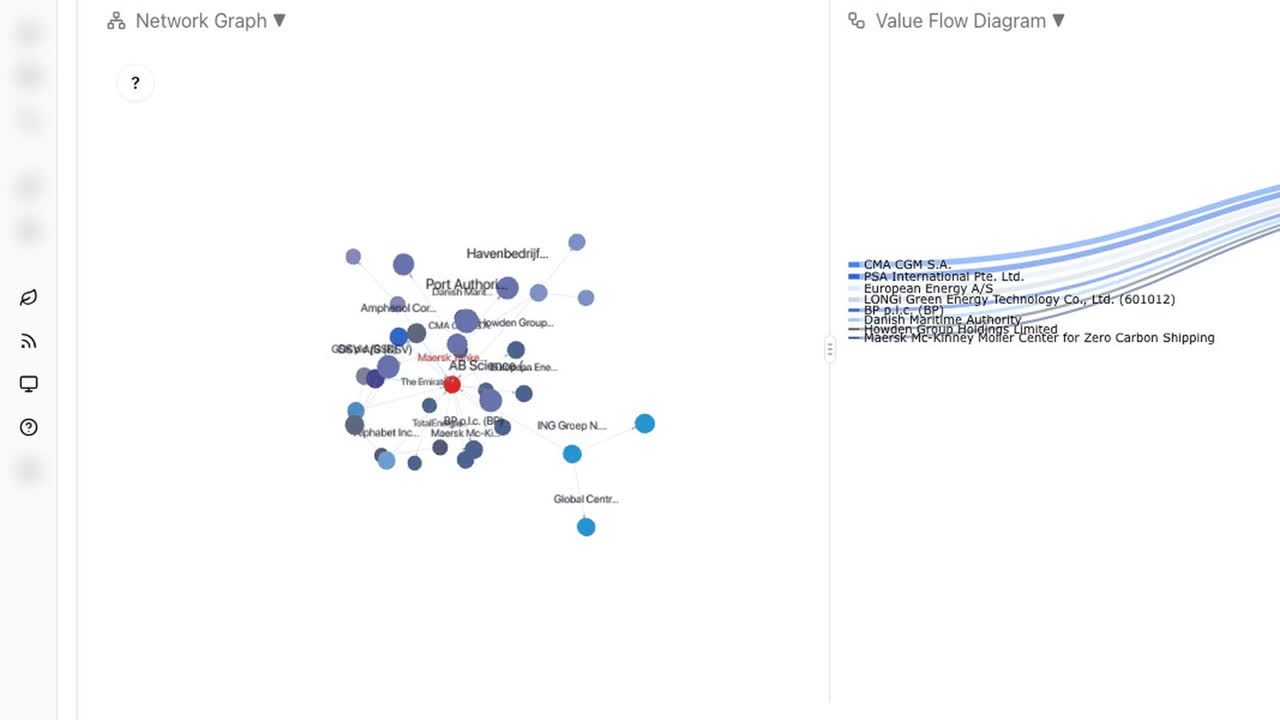
200 million tonnes of Scope 3 opportunities, mapped
C3's AI agents mapped 1,694 insetting opportunities across 364 companies and 1,500 value-chain partners.
Read insight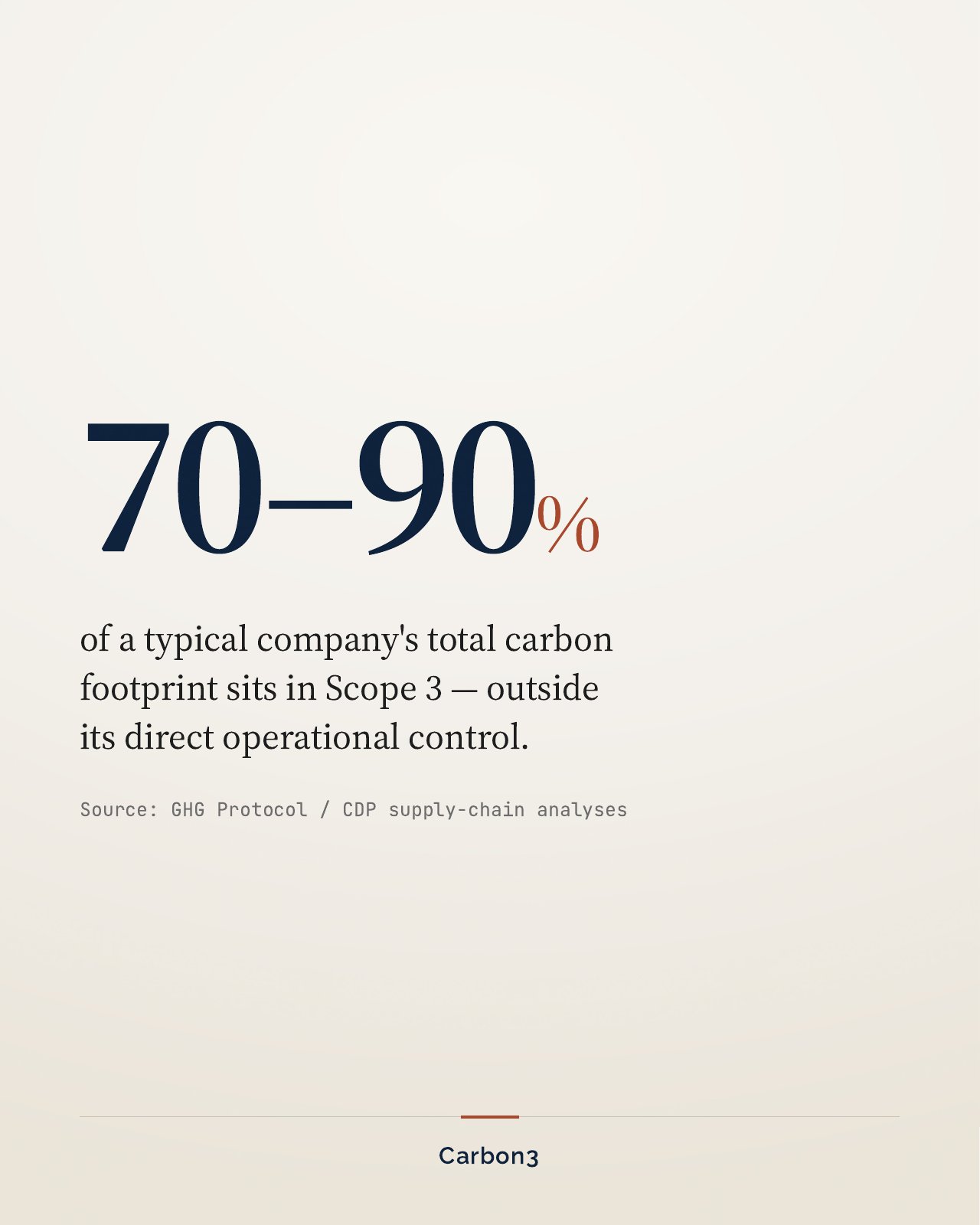
Three numbers behind the insetting paradox
Most emissions sit in Scope 3, funding a supplier's cut recovers nothing today, and one inset credit changes that.
Read insight