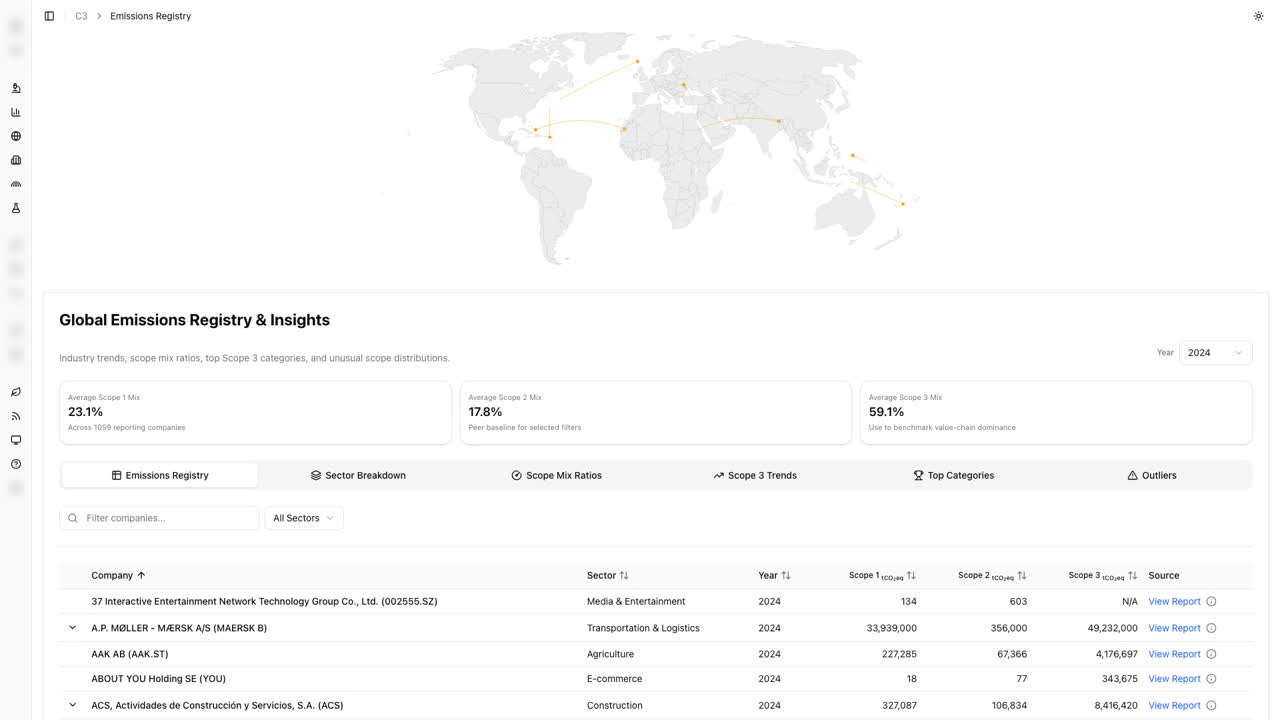
An open emissions registry for Scope 1 to 3 data
Corporate disclosures used to sit buried in thousands of PDFs. The registry makes them searchable by sector and year, free and without login.
Read insight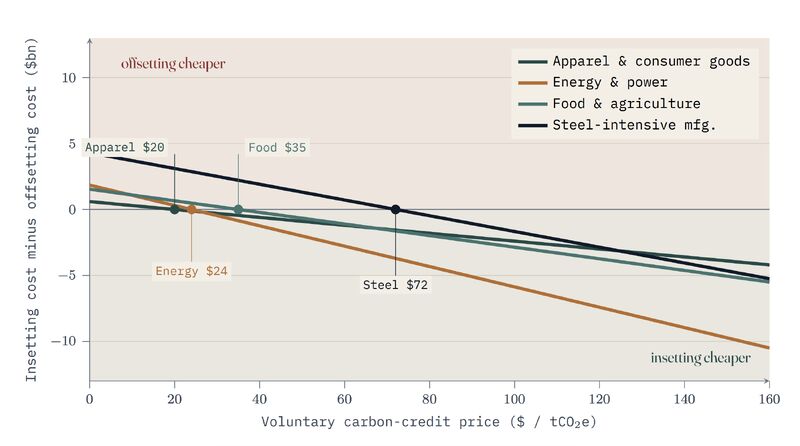
The price at which insetting beats offsetting
In all four cases studied, the tipping point is already at or below where credit prices are expected to go.
Read insight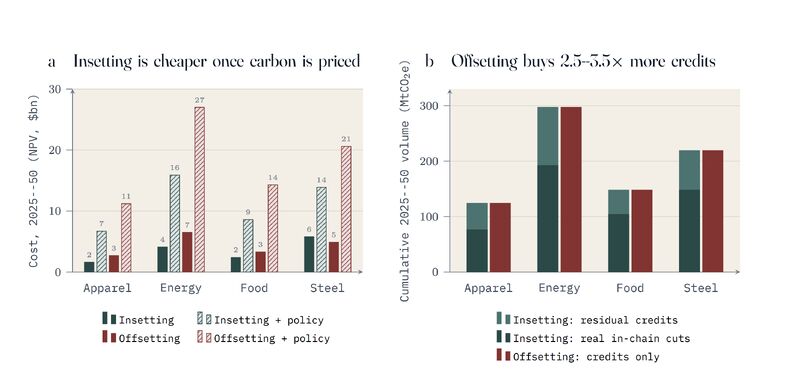
Offsetting is not the cheap option
Offsetting purchases 2.5 to 3.5 times more credits over time, and each extra credit is an emission the company has not addressed.
Read insight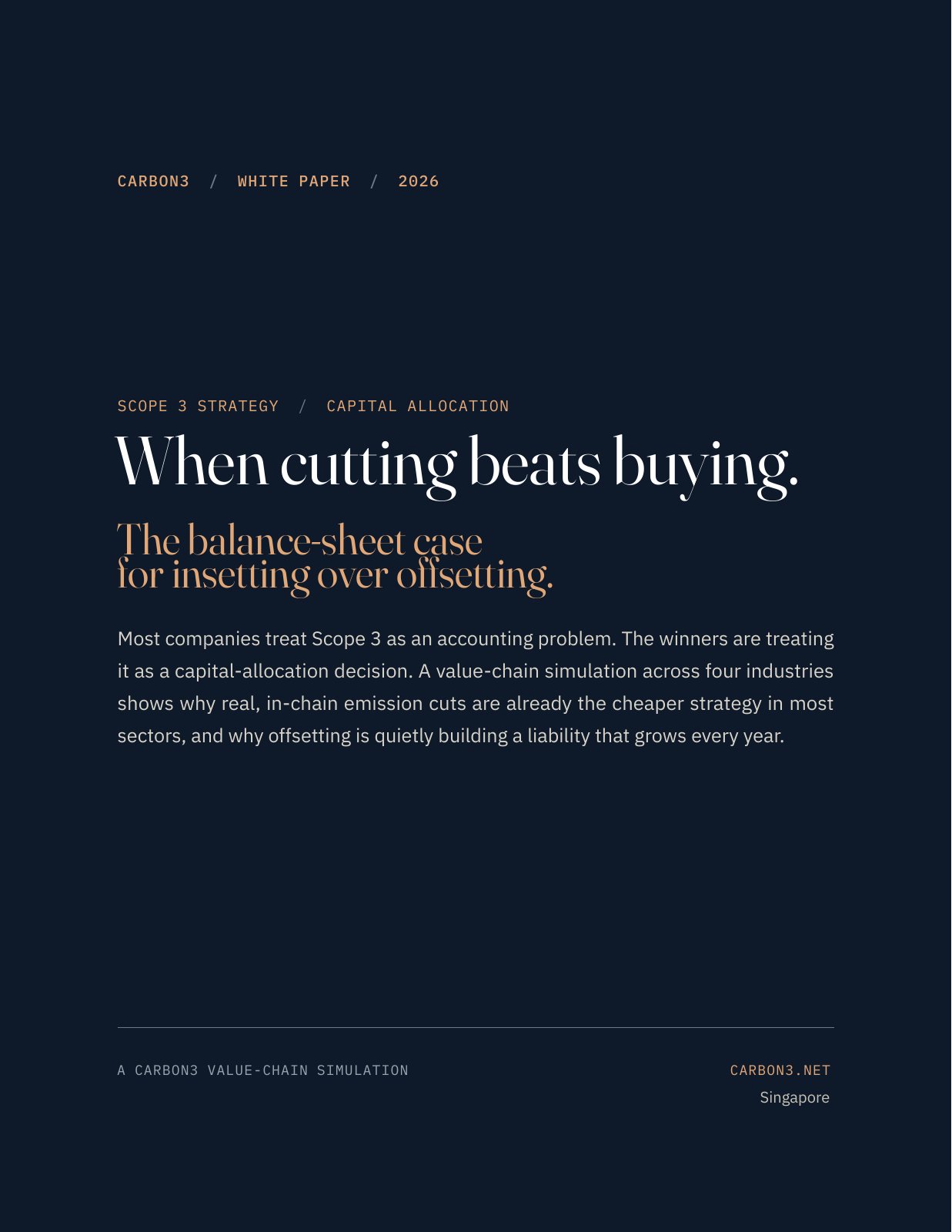
When cutting beats buying: the balance-sheet case for insetting
Our 2026 white paper models four value chains to 2050 and finds cutting in-house already cheaper than buying credits in most sectors.
Read insight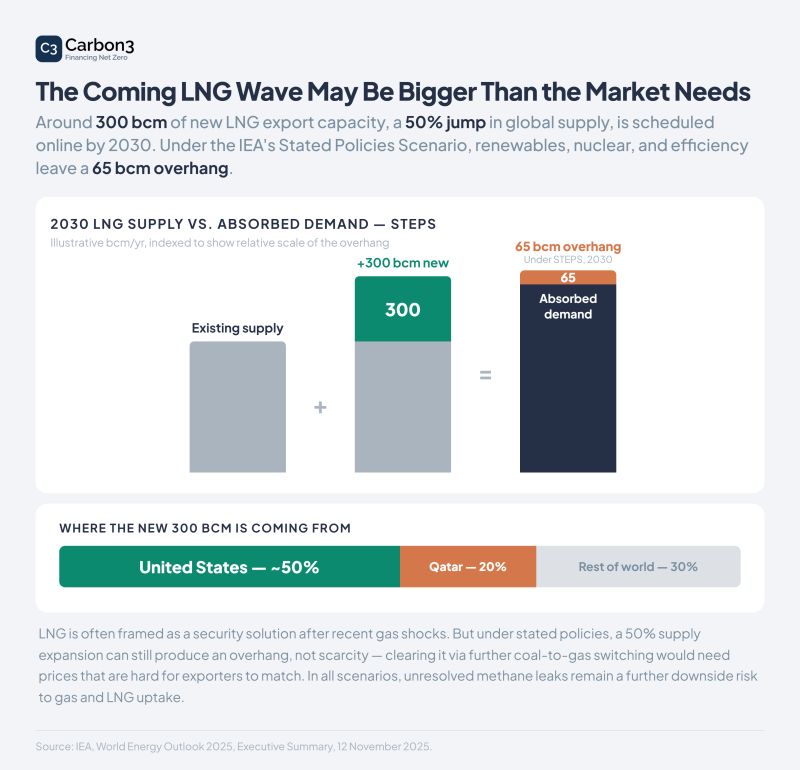
LNG could add 300 bcm of export capacity by 2030 that demand may not absorb
Under the IEA's Stated Policies Scenario, renewables, nuclear and efficiency leave a potential 65 bcm overhang.
Read insight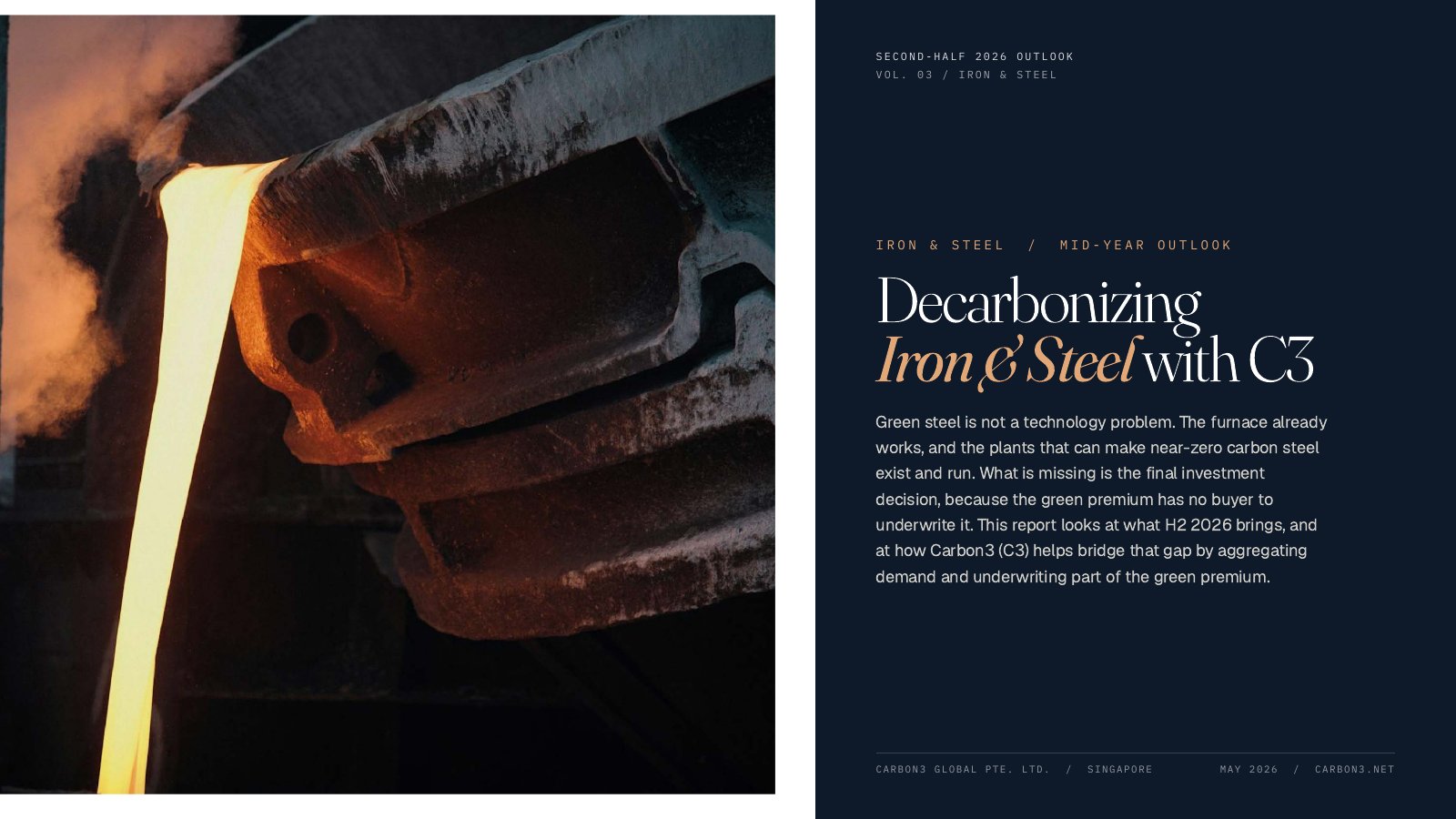
EUR 8 in free permits for every EUR 1 reinvested
Europe's three largest steelmakers received EUR 25.7 billion in free ETS allowances and committed EUR 3.2 billion to decarbonisation.
Read insight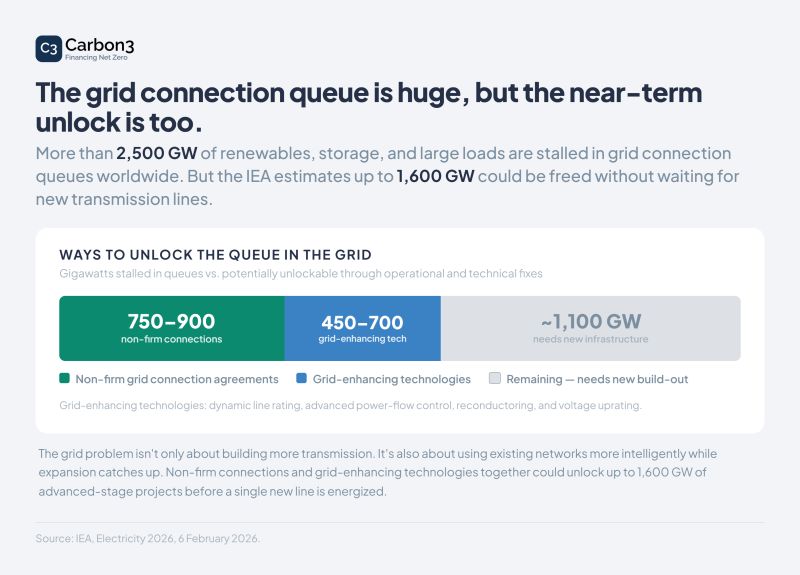
Smarter grid connection rules could unlock half the projects waiting in queues
The IEA estimates that connection reform and grid-enhancing technologies could clear a large share of advanced-stage projects without new lines.
Read insight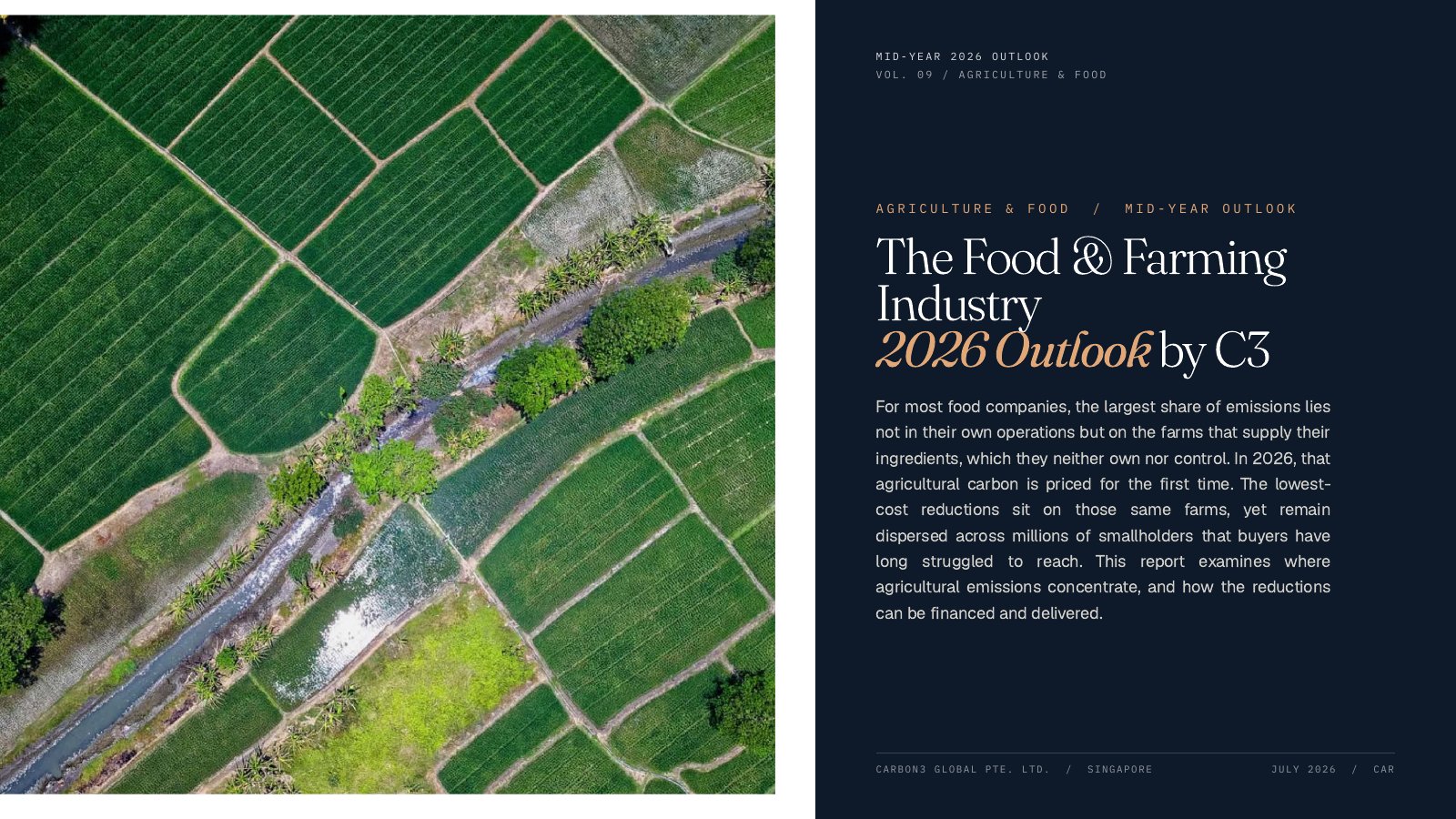
Supermarkets are struggling with food emissions
Madre Brava's UK director on why farm-level change is too slow and too small to hit near-term retail targets.
Read insight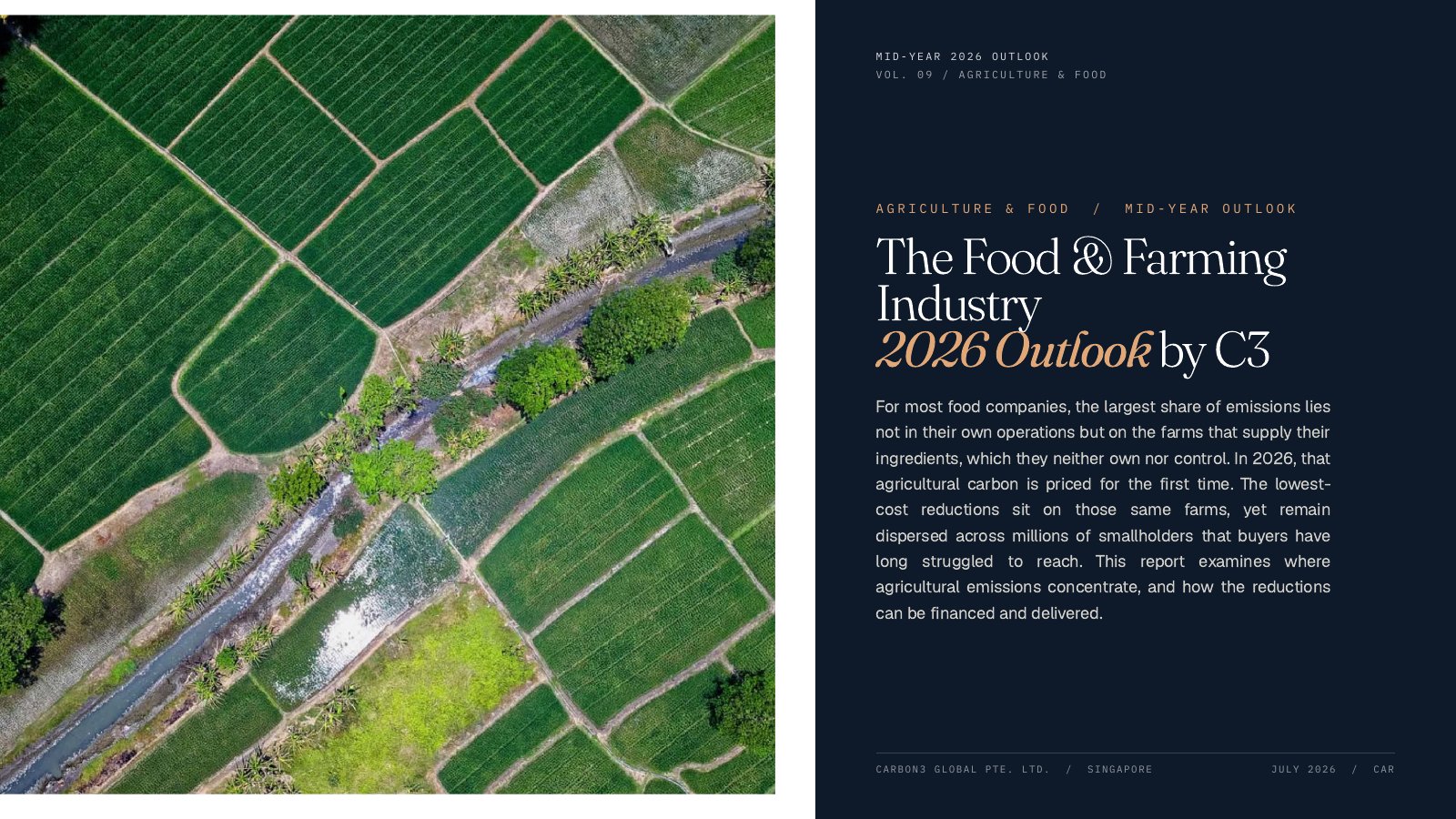
The Agriculture & Food Outlook 2026
Nine in ten tonnes of a food company's carbon sit on farms it does not own. In 2026 that stops being optional.
Read insight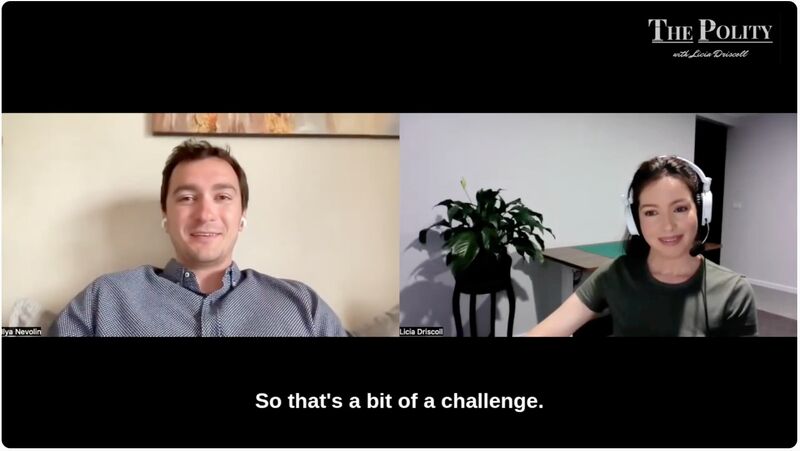
Australia's chance to move from fuel importer to green fuel exporter
Without economic incentives and clear policy mandates, companies see little reason to invest in more expensive sustainable alternatives.
Read insight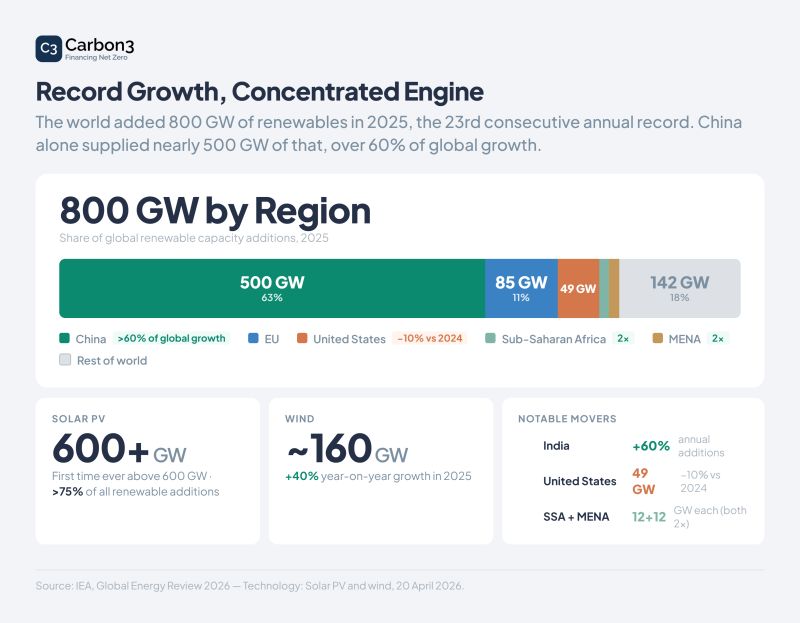
Renewable additions hit a record 800 GW in 2025, with 60 percent from China
The transition is accelerating, but the engine remains geographically concentrated.
Read insight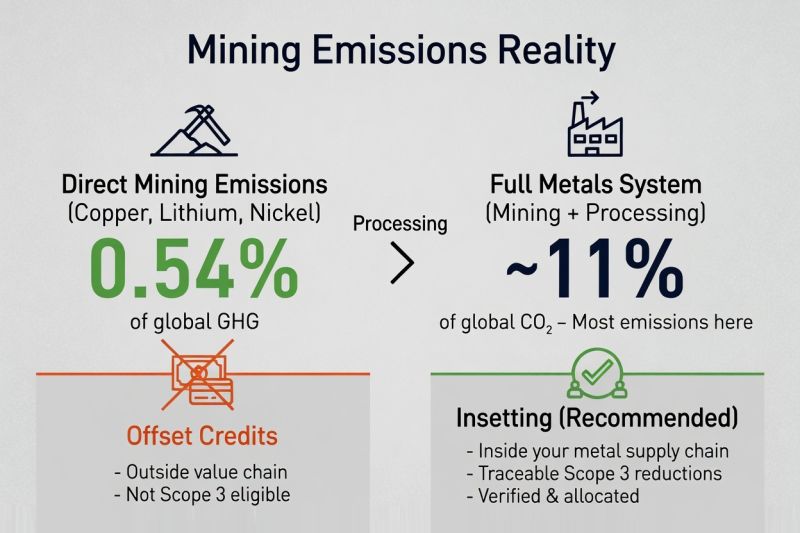
Where the emissions in critical metals actually sit
Direct mining emissions are small. The full metals system is around 11 percent of global CO2, most of it downstream where ore becomes metal.
Read insight