A 30-second silent film: where supply chain emissions sit, the sectors Carbon3 covers, the free Data Hub, and one supplier project co-financed by many companies.
- Eight supply chains account for more than half of global emissions.
- Carbon3 provides insetting for all industries: maritime, aviation, chemicals, steel and agriculture.
- The free Carbon3 Data Hub maps about 25,000 companies and their public climate data.
- One supplier project can be co-financed by many companies at once.
- Net zero runs through value chains.
- Look up any company at carbon3.net/data
Cutting supply chain emissions can generate revenue, not only cost money.
Insetting allows a supplier’s customers to share in the cost of decarbonization upgrades. Independent third-party auditors and registries issue inset credits per tonne CO2e reduced or avoided; funders can sell them to recover cost or keep them for reporting.
Most of a company’s emissions sit in its supply chain, yet only 15% of companies have a target for them (CDP and BCG, 2024).
Video sources: World Economic Forum and BCG (2021); Carbon3 Data Hub. Visuals are schematic and illustrative.
The problem
Most emissions sit upstream with suppliers. Paying to cut them usually returns nothing.
In retail, upstream Scope 3 averaged 92 times Scope 1 and 2 across CDP disclosers in 2023.
Only 15% of all disclosers had an upstream target. A supplier that invests in cleaner fuel or heat carries the cost alone, while its customers share the benefit.
Why Scope 3 mattersSource: CDP and BCG, 2024 (2023 disclosures)
How it works
One supplier reduces emissions, and everyone who helped pay gets their fair share of inset credits.
Carbon3 provides the infrastructure so organizations can co-finance supply chain decarbonization themselves, and records every credit. Independent auditors confirm the reductions, and registries track and issue the credits.
As the GHG Protocol shapes its new AMI reporting rules, Carbon3 gives companies the infrastructure to record market-based Scope 3 claims, each checked against a verification report and claimed only once.
- Money
- Emissions reduction
- Credits
Funders cover
They cover the extra cost of cleaner fuel.
- Buyer A50% of cost
- Buyer B30% of cost
- Lender20% of cost
The ship switches fuel
Emissions fall
A third-party auditor checks the tonnes of CO2e saved.
Old fuel
New fuel
Checked
Funders get credits
Each checked tonne of CO2e is one credit.
- Buyer A50% of credits
- Buyer B30% of credits
- Lender20% of credits
1 inset credit = 1 tonne of CO2e. Carbon3 records each credit’s holder, so no tonne of CO2e counts twice.
(Illustrative. Claim treatment depends on the applicable reporting framework.)
Who it is for
Value chain stakeholders benefit financially when emissions get cut.
Industrial suppliers
Add a second source of revenue from reductions that customers co-fund.
Reduction projects are often funded by the supplier alone.
For industrial suppliersCorporate buyers
Confidently report supply chain emissions reductions, and sell any credits not needed.
Most of the footprint sits with suppliers.
For corporate buyersInvestors and lenders
Finance high-quality industrial decarbonization projects and hold credits to sell or retire.
Transition exposure is difficult to evidence.
For investors and lenders
Sectors
Insetting works where upstream suppliers carry most of the emissions.




Insets and offsets
Unlike offsets, insets reduce emissions inside the buyer’s own value chain.
An offset pays for a project somewhere else and leaves the buyer’s industrial emissions unchanged. An inset funds a supplier the buyer already relies on, so it can lower the buyer’s Scope 3 once the supplier’s lower emissions reach the buyer’s data. Claim treatment depends on the applicable reporting framework.
Insets and offsets comparedOffset
- Project
- Outside the buyer’s value chain
- Buyer’s reported emissions
- Unchanged
Inset
- Project
- Through a buyer’s supplier
- Buyer’s reported emissions
- Can be lower
Trust and method
Every tonne of CO2e is checked by a third-party auditor and claimed only once.
Claim treatment depends on the applicable reporting framework.
How credits are verifiedIndependent validation and verification
A third-party auditor, never Carbon3, checks each reduction against a validation report and a verification report written to recognized standards.
Issued by registries, recorded by Carbon3
Independent third-party auditors and registries issue the inset credits. Carbon3 records each credit’s holder, so no tonne of CO2e counts twice.
Recognized standards
The GHG Protocol for carbon accounting, SBTi guidance for targets, and ISO 14064 for validation and verification.
Public data with sources
The Carbon3 Data Hub links directly to company sustainability filings, and climate targets come from the SBTi registry.
The Data Hub
Public emissions data, company by company, with every source linked.
The free Carbon3 Data Hub covers 26,299 companies, with 3,729 emissions reports from 1,841 of those companies and 7,463 climate targets from the SBTi registry.
Explore the Data Hub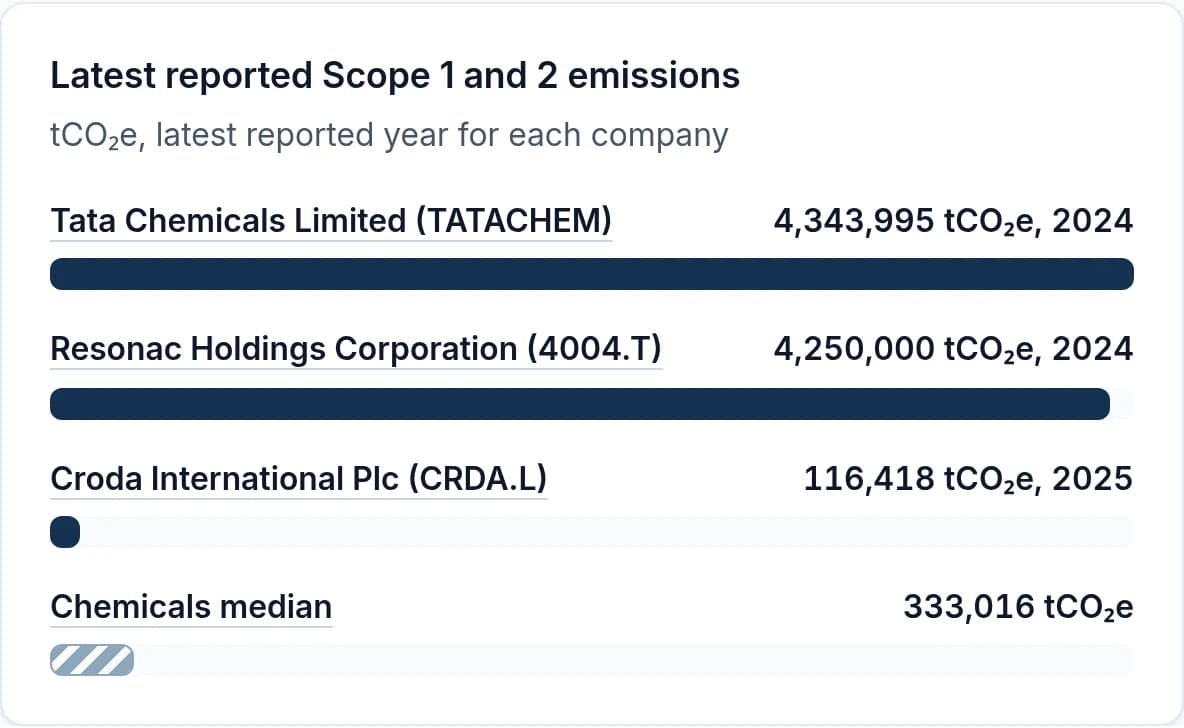
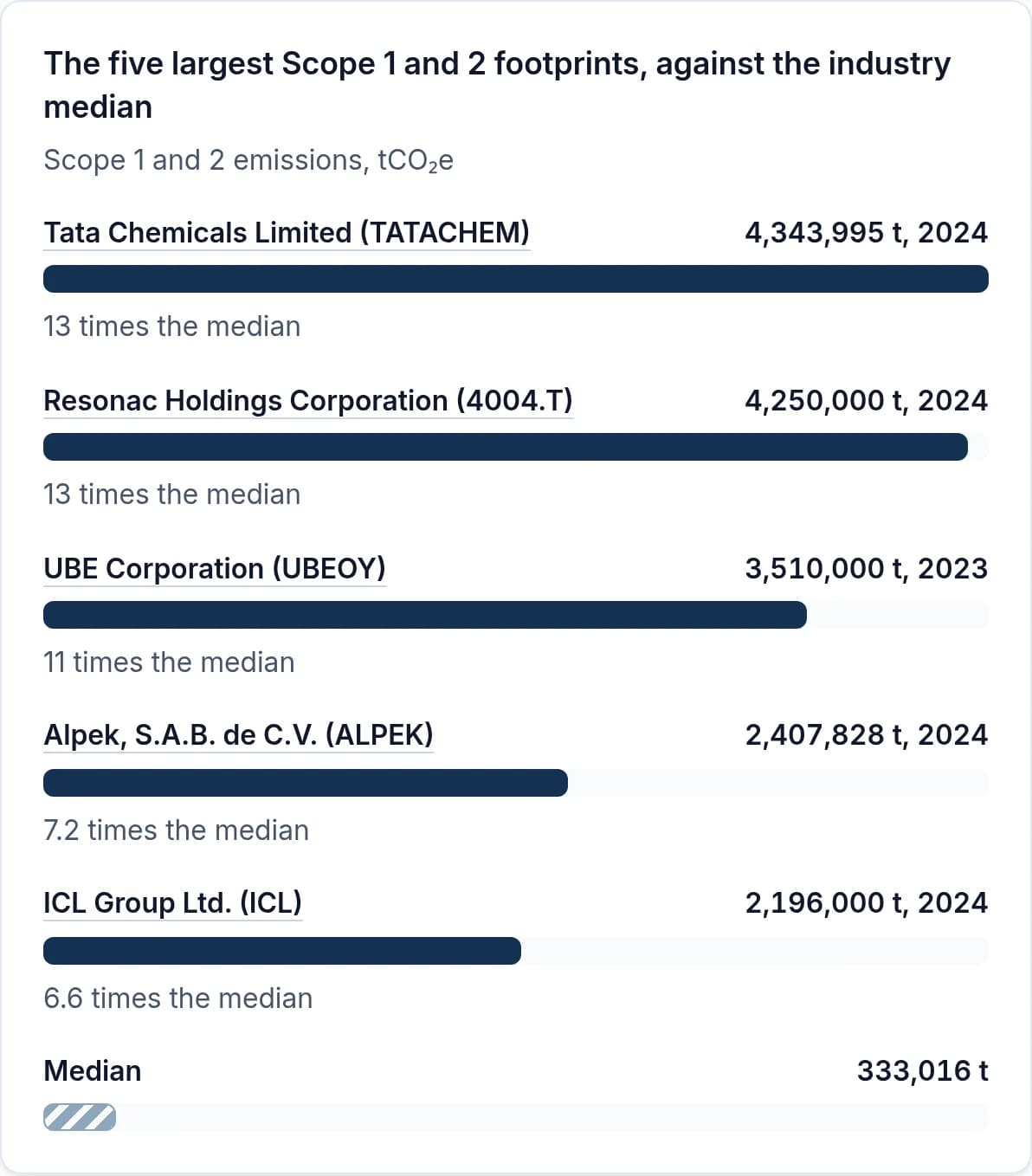
Live counts as of November 16, 2026. Prepared demonstration accounts are not counted.
Screenshots of carbon3.net/data, November 2026.
Questions
Answers to the questions leaders ask first.
What is an inset credit?
An inset credit is a tradable record of one verified tonne of CO₂ equivalent (tCO₂e) reduced inside a company’s own supply chain. It stays tied to the supplier and the project, and its issuance names the verification report behind it.
How is an inset different from an offset?
An offset buys a reduction from a project outside a company’s business. An inset funds emissions reductions with its own suppliers, so the reduction relates to its own Scope 3 footprint.
Who verifies the reductions, and who issues the credits?
A third-party auditor, never Carbon3, creates validation and verification reports to confirm the project scope and the emissions reduced or avoided. Independent third-party auditors and registries issue the inset credits, and Carbon3 records each credit and its holder.
Which standards does Carbon3 build on?
The GHG Protocol for carbon accounting, SBTi guidance for targets, and ISO 14064 for validation and verification. Whether a credit counts toward a target depends on the standard and the company reporting it.
Do retired inset credits count in a Scope 3 inventory?
The supplier’s lower emissions can lower the buyer’s Scope 3 once they reach the buyer’s data, and the retired credit is the record of the tonnes of CO2e reduced or avoided. Claim treatment depends on the applicable reporting framework.
Who can take part?
Suppliers and project developers, companies that co-fund supply-chain projects, investors and lenders, and the advisors who support them.
How is Carbon3 paid?
Listing a project and using the Data Hub are free. Fees apply to marketplace activity: selling and retiring credits. Costs depend on project complexity, verification requirements and transaction volume.
Cutting supplier emissions can generate revenue for companies and lower national emissions without new public spending.
Tell us about a supplier or a project, and we will reply.
Contact us