The green economy is worth USD 5 trillion a year
Green revenues grow twice as fast as conventional ones. C3 can already unlock USD 13 billion of inset credits from more than 350 projects.
Read insight
GCMD's FEET fund links retrofits to verifiable savings
A blended, unsecured structure opens a new tier of maritime decarbonisation investment below fuel-switching and newbuilds.
Read insight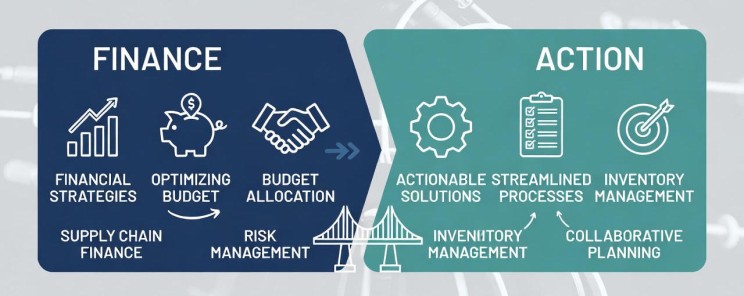
Transforming supply chain emissions into opportunities
As CBAM and CSRD mature, the inset credit market is poised for growth, mobilising billions in green investment.
Read insightFrom Web Summit to real impact
Inset credits as revenue, AI-powered validation, carrots over sticks, and a marketplace where reductions become liquid assets.
Read insight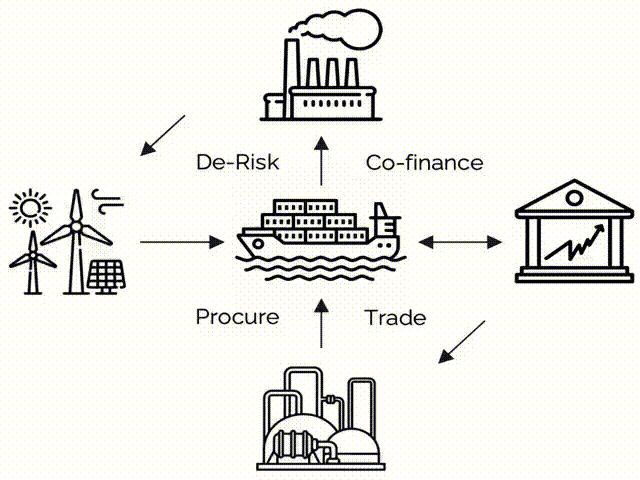
Four ways an inset credit moves capital through a value chain
Co-finance, de-risk, procure and trade: how one decarbonisation project can draw on the whole value chain.
Read insight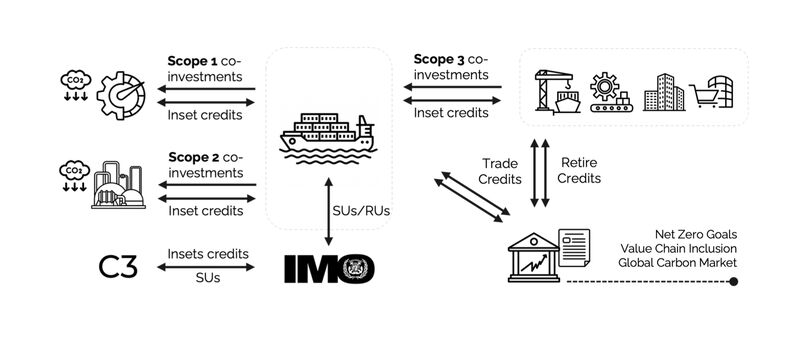
How inset credits can work alongside the IMO framework
A shipping value chain can keep decarbonising through voluntary co-investment, whether or not the IMO's Net-Zero Framework is adopted.
Read insight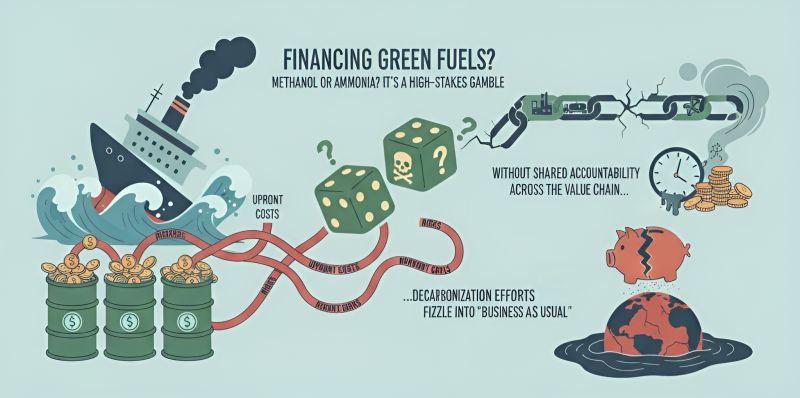
Financing green fuels is a high-stakes gamble
Methanol and ammonia carry high upfront costs and risks that no single company wants to carry alone. Sharing them changes the bet.
Read insight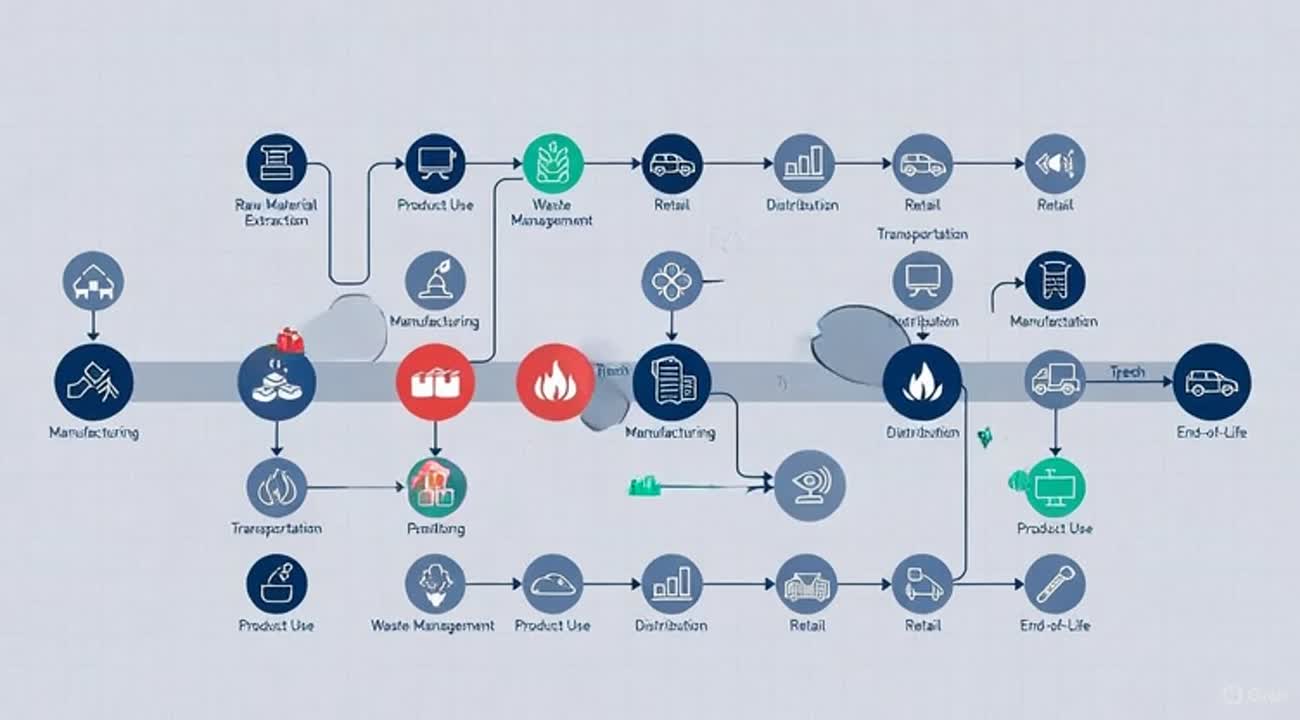
Industrial net-zero progress is stalling on structural misalignment
Reductions achieved by one supplier flow upstream without shared cost or credit. The consequences are measurable.
Read insightThe IMO delay is a demand signal for policy-agnostic decarbonisation
Insetting lets cargo owners co-finance clean fuels, de-risk projects and secure FuelEU compliance while regulation stalls.
Read insightC3's platform unlocks over USD 13 billion in inset credits
How Carbon3 streamlines industrial decarbonisation through carbon insetting.
Read insight
How C3 turns verified reductions into inset credits
Upstream suppliers seeking co-financing and downstream brands seeking allocated Scope 3 reductions, on one platform.
Read insight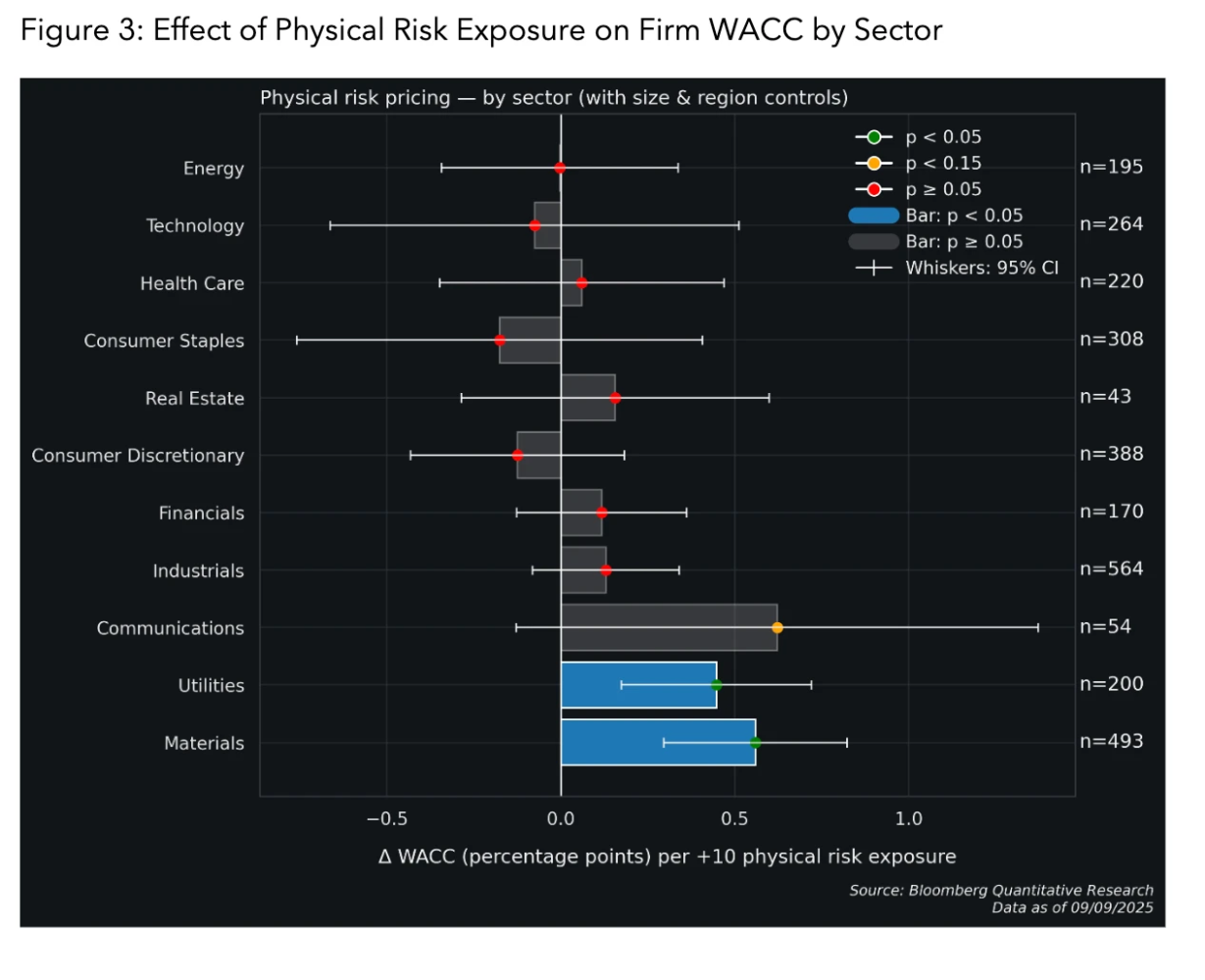
Climate risk now carries a cost. Supply chain resilience can lower it.
Bloomberg finds companies with higher physical climate exposure face a 22 bps increase in WACC.
Read insight