What the data shows about the Scope 3 market
Across 1,248 registry companies, 558 projects and 1,065 opportunities, only 127 firms appear to be moving from exploration into execution.
Read insight
Mitsubishi Heavy Industries and the Category 11 question
Around 99 percent of MHI's Scope 3 is product use. Its strategy is to earn from the transition by supplying the technology that reshapes it.
Read insight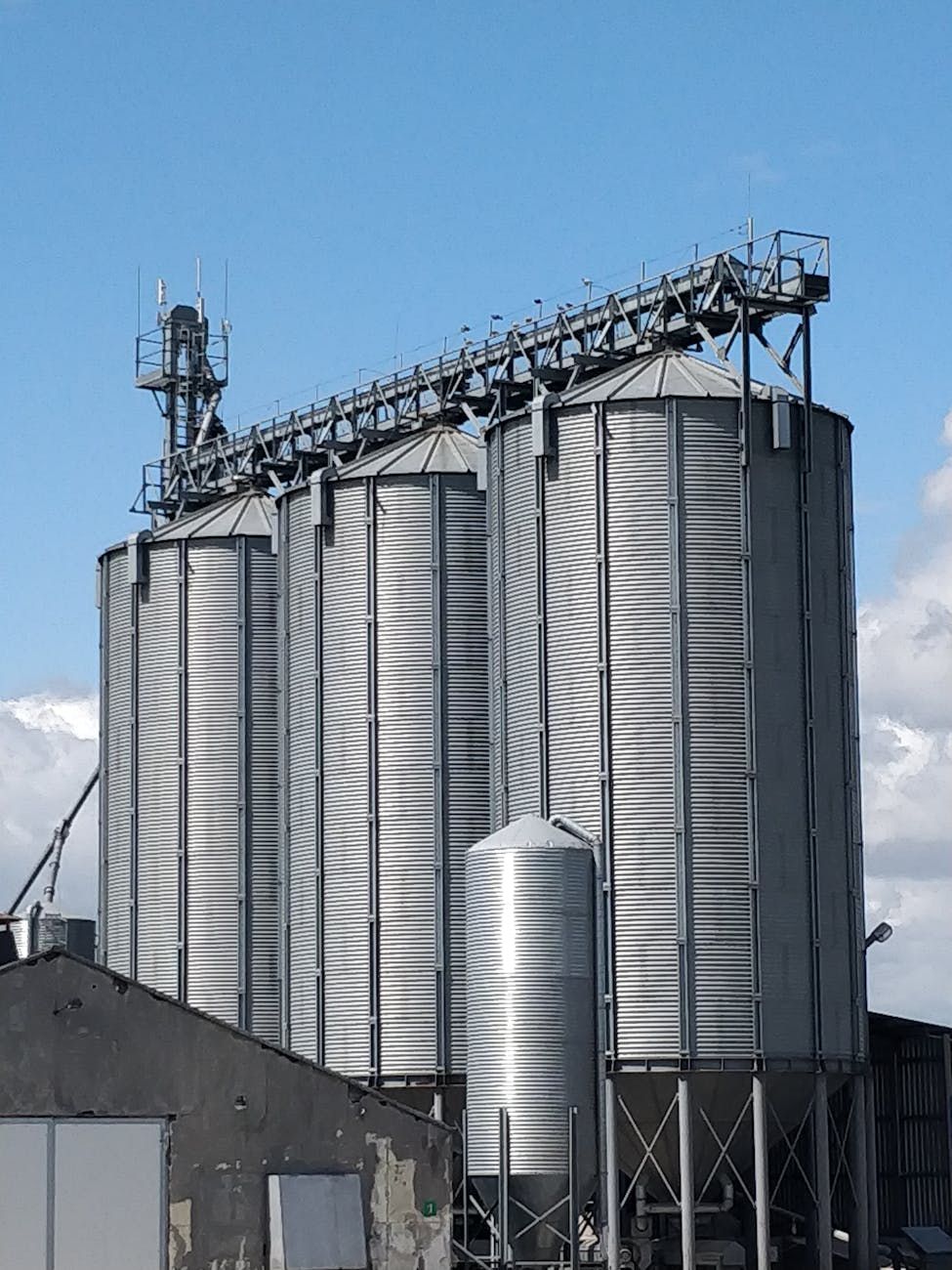
Yara: cost discipline and decarbonisation as one agenda
Record operational performance alongside 42.6 million tCO2e of Scope 3. Cash freed by discipline creates room for lower-carbon pathways.
Read insight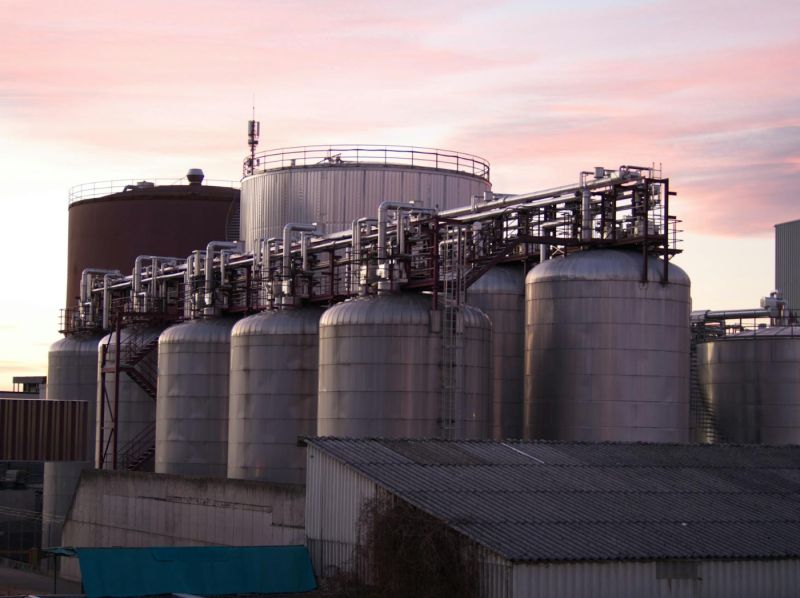
Brenntag: distributors as the middle of the value chain
Scope 1 of 185,546 tCO2e against nearly 30 million in Scope 3. Distributors shape supplier standards and the flow of lower-carbon materials.
Read insight
OMV's SAF push is a value-chain repositioning
Scope 3 of 145.9 million tCO2e, and agreements to deliver 1.5 million tonnes of SAF by 2030 through cross-industry partnerships.
Read insight
Equinor's 278 million tonne Scope 3 footprint
Billion-dollar capex decisions increasingly depend on supplier and partner decarbonisation alignment.
Read insight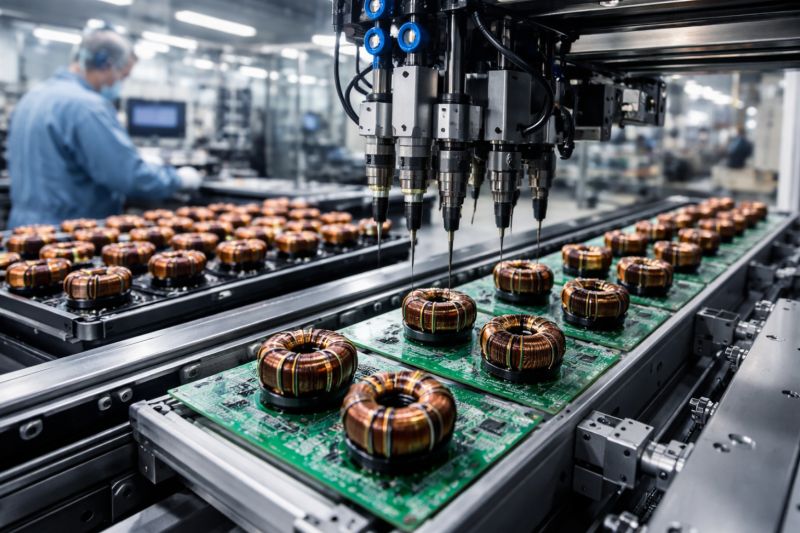
Delta Electronics: Scope 3 is 71 percent of the footprint
In electronics the challenge is purchased electricity, supplier alignment and downstream product impacts, not on-site combustion.
Read insight
Woodside links sustainability to shareholder value
The competitive question is how credibly companies connect climate governance, operational delivery and capital allocation.
Read insight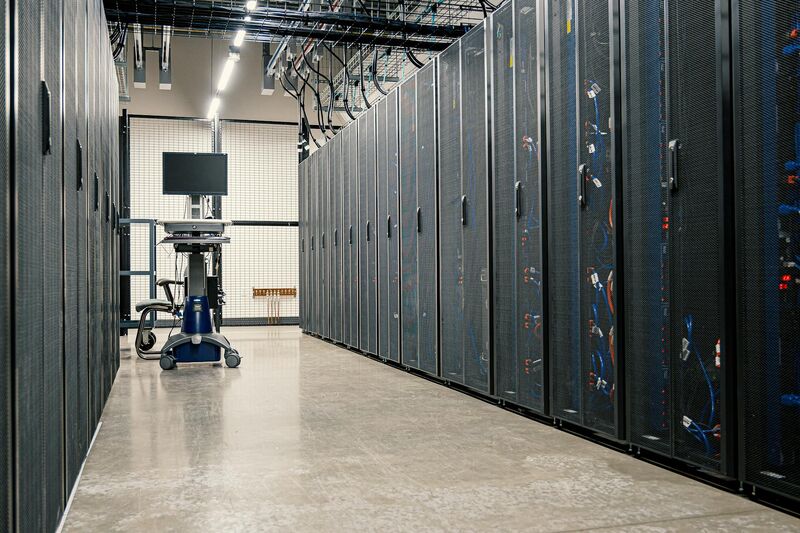
Arista Networks and the Scope 3 of AI infrastructure
Roughly 3.6 million tCO2e in Scope 3 against 30k in Scopes 1 and 2. Nearly the entire footprint sits with suppliers and product use.
Read insight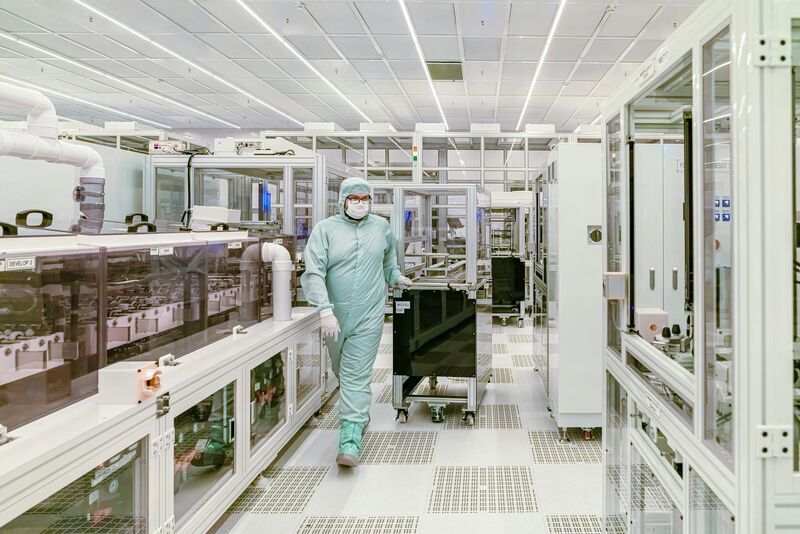
Daiichi Sankyo and pharma's supply-chain footprint
4.16 million tCO2e in Scope 3 against roughly 114k in Scopes 1 and 2. The pattern repeats across the sector.
Read insight
H&M and EY ask CFOs to lead on supply-chain decarbonisation
Their whitepaper makes the business case: Scope 3 dominates fashion's footprint and addressing it is risk management, not philanthropy.
Read insight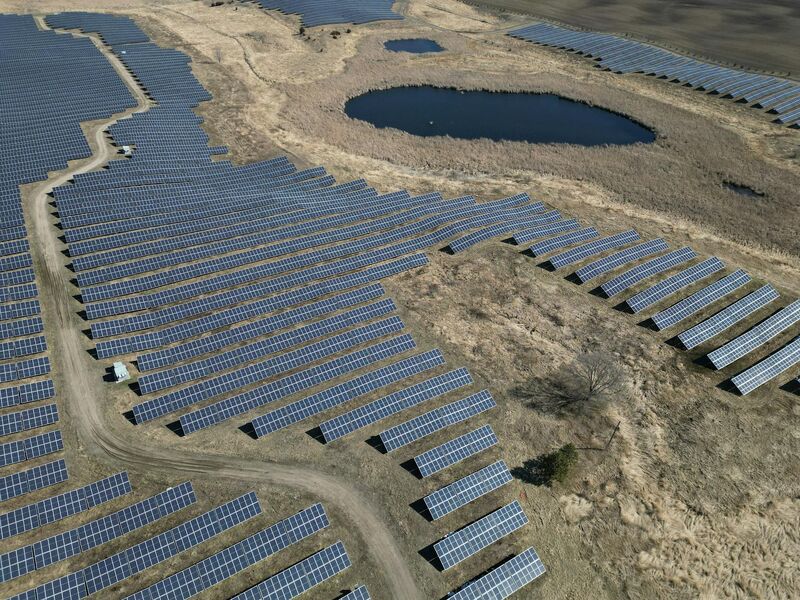
Shoals and the economics of solar deployment
Plug-and-play balance-of-system components move complexity from the field to the factory, supporting 82 GW of installations.
Read insight