Renewable additions hit a record 800 GW in 2025, with 60 percent from China
The transition is accelerating, but the engine remains geographically concentrated.
By Carbon3 team1 min read
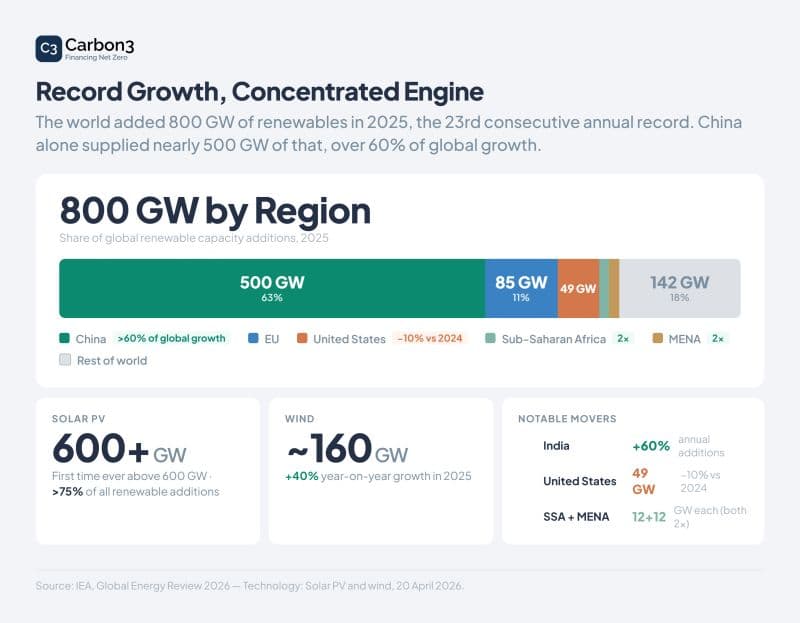
Global renewable additions hit a record 800 GW in 2025, but more than 60% of that growth came from China. The transition is accelerating, but the engine is still geographically concentrated.
Concentration matters for supply chains in two ways. It means the manufacturing base for solar, wind and batteries is exposed to a small number of jurisdictions and to the trade policy that surrounds them. It also means the emissions reductions from renewable deployment are unevenly distributed, with most of the world's industrial suppliers still on carbon-intensive grids.
That unevenness is where insetting does its work. A buyer with suppliers in regions where renewable deployment is slow can co-finance on-site generation or supplier power purchase agreements, and it can claim the verified reduction inside its Scope 3 boundary rather than waiting for the local grid to catch up.
Originally published on LinkedIn, 29 June 2026.
The Carbon3 Newsletter
Weekly analysis of industrial decarbonization and insetting across Scope 1 to 3, from the Carbon3 team.
Read more from the research team.
Outlook
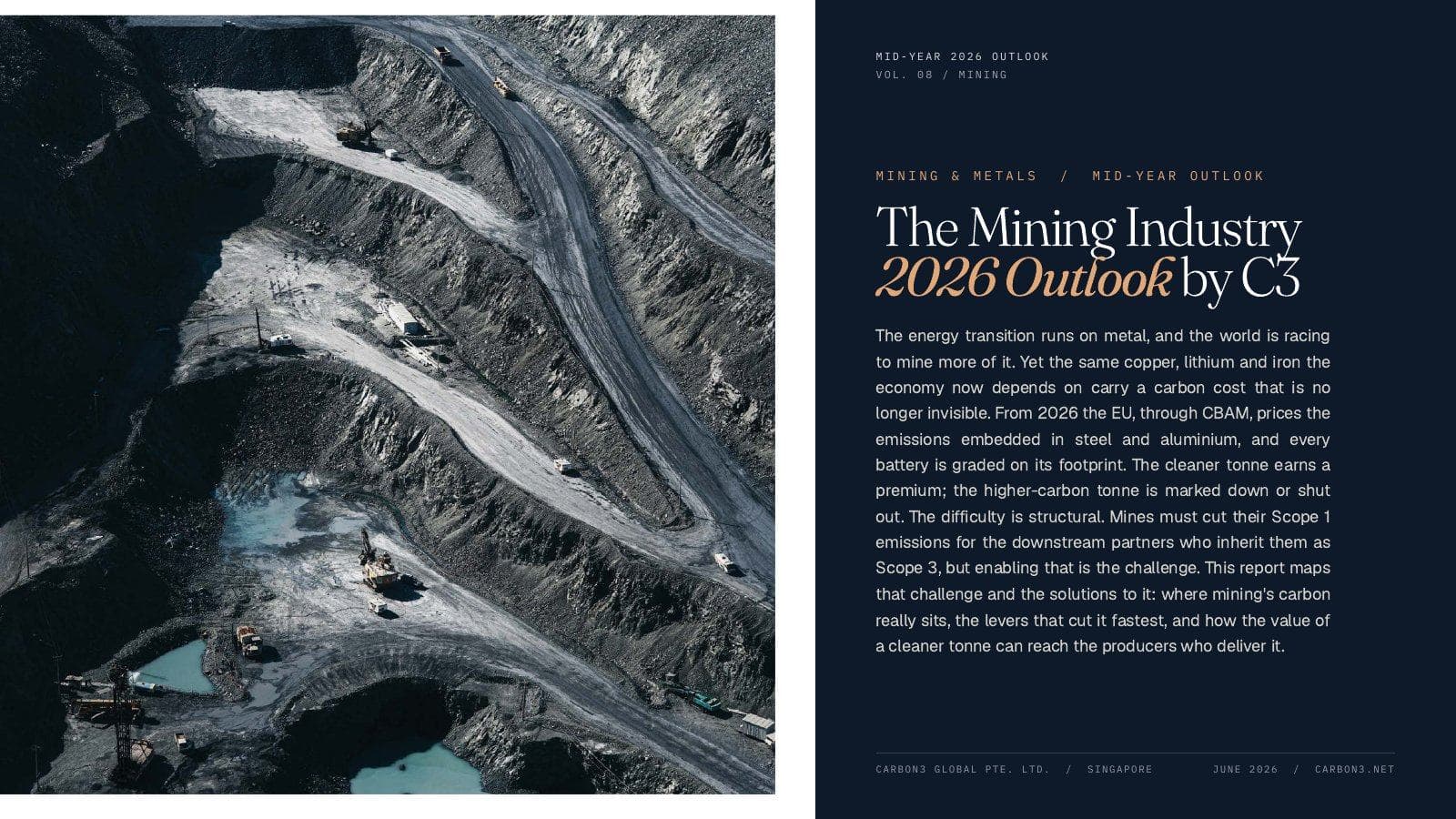
The Mining Outlook 2026
A mine's Scope 1 is its customers' Scope 3.
Read the articleOutlook
Australia's chance to move from fuel importer to green fuel exporter
Without economic incentives and clear policy mandates, companies see little reason to invest in more expensive sustainable alternatives.
Read the articleTransition finance
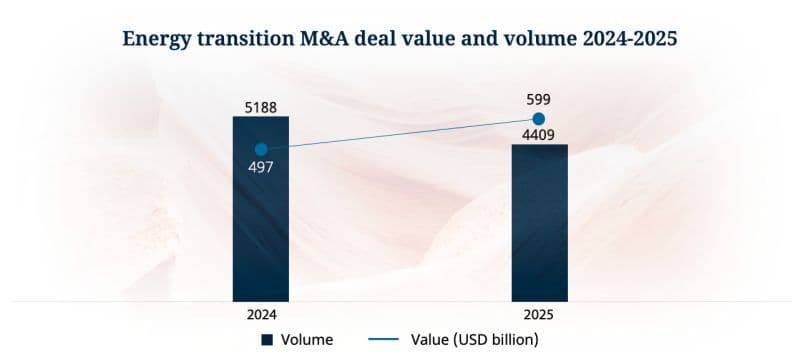
Energy transition M&A showed resilience in 2025
Deal volume fell 15 percent but value rose 20 percent to $599 billion.
Read the article

See the companies behind these figures in the Data Hub.
Look up your suppliers’ emissions and targets, free.