Industrial net-zero progress is stalling on structural misalignment
Reductions achieved by one supplier flow upstream without shared cost or credit. The consequences are measurable.
By Carbon3 team1 min read
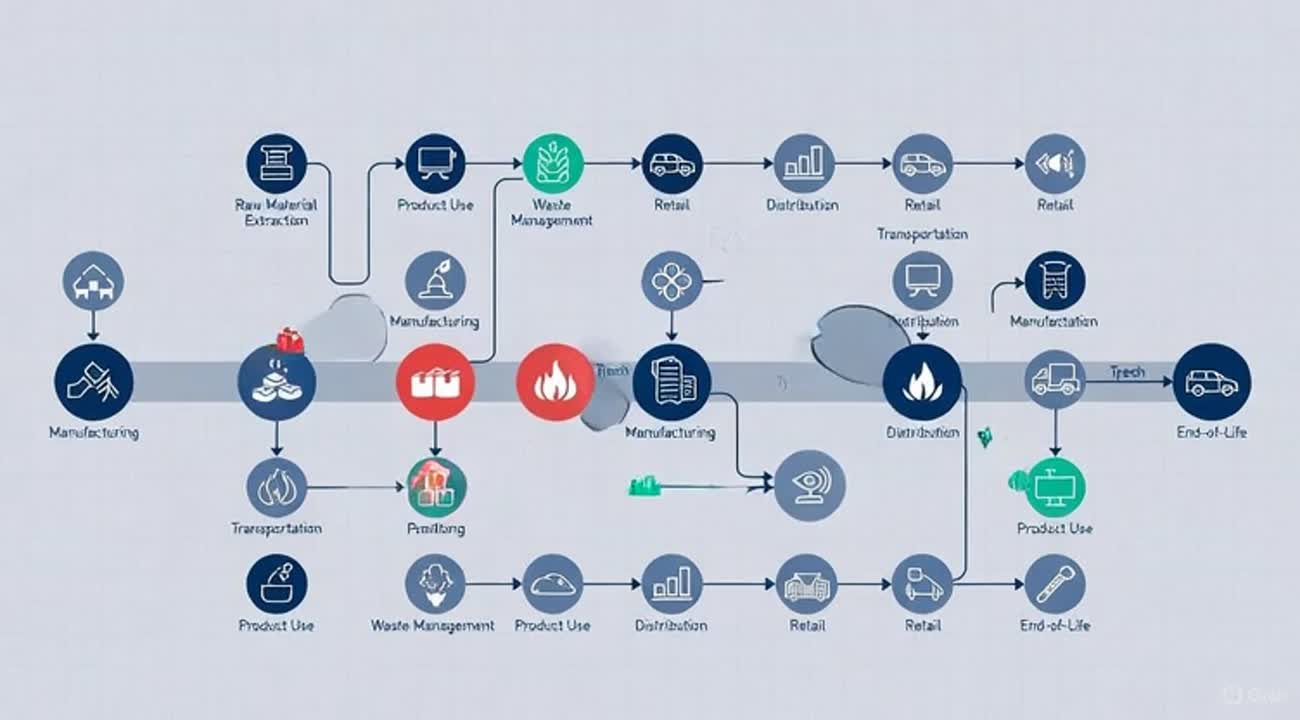
Industrial net-zero progress is stalling, not from lack of ambition, but from structural misalignment in value chains. Scope 3 emissions represent up to 90% of corporate footprints, yet reductions achieved by one supplier (Scope 1) flow upstream without shared cost or credit. This asymmetry fragments accountability, distorts data, and erodes trust.
The consequences are measurable:
- Data opacity: Emissions reductions vanish between tiers, undermining reporting integrity and access to transition finance.
- Investment friction: De-risking projects across siloed partners consumes disproportionate time and capital.
- Regulatory exposure: CSRD, SEC climate rules, and evolving global standards demand verifiable chain-of-custody, today’s fragmented models fall short.
Decarbonization at scale requires aligned incentives, transparent accounting, and collaborative financing mechanisms that reward collective action. Learn how Carbon3 as financial instrument enables companies to tackle their Scope 1, 2 and 3 emissions actively and profitably https://www.carbon3.net/
Learn more
How insetting works, step by step
Originally published on LinkedIn, 6 November 2025.
Read more from the research team.
Market structure
73 percent of businesses kept their sustainability commitments through 2025's policy shifts
MIT finds that pressure in Europe comes from regulation, while in the United States it comes from investors and competitors.
Read the articleMarket structure
Scope 3 is about pulling everyone forward with shared rewards
Big buyers impose requirements without financing or shared incentives.
Read the articleTransition finance
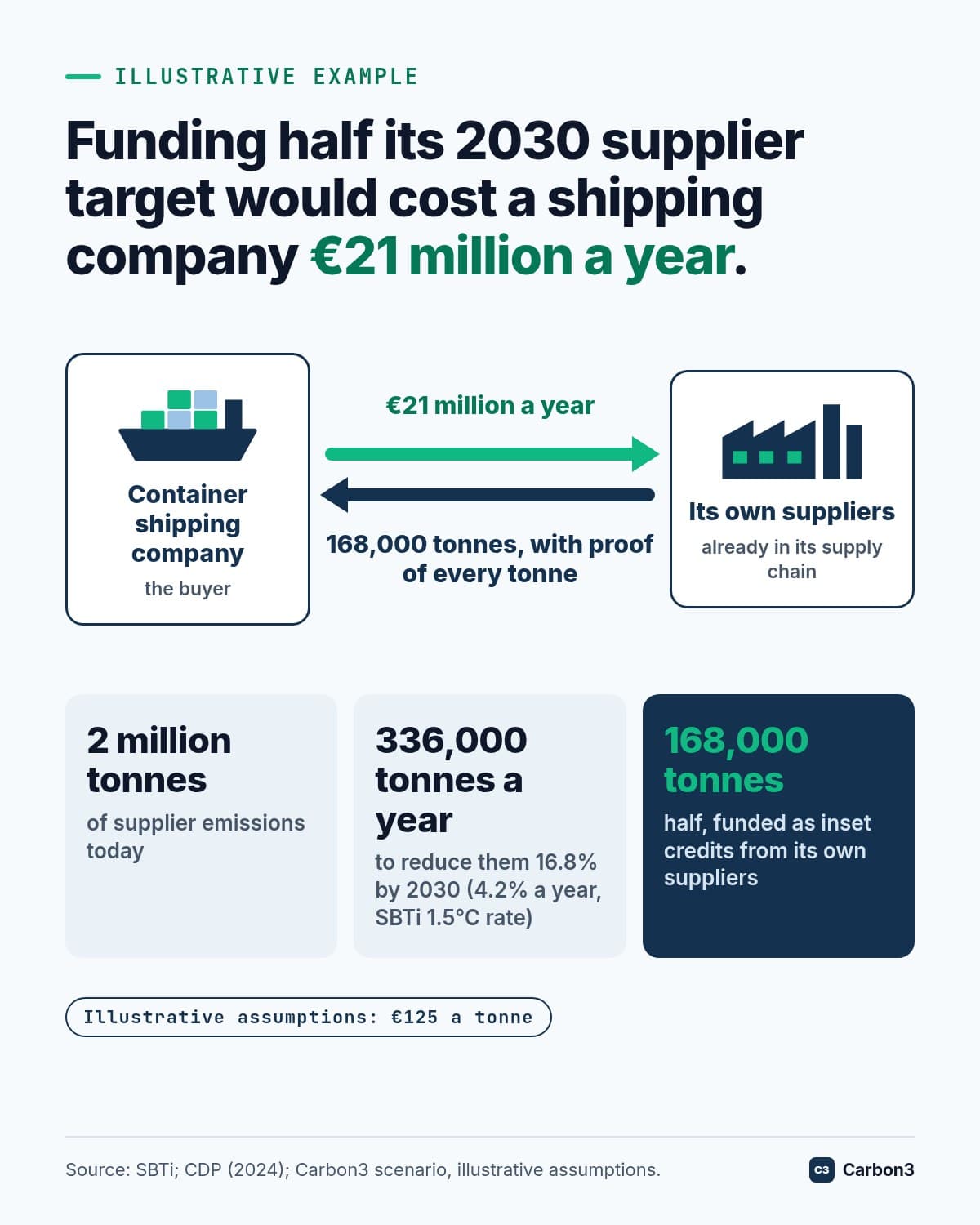
Funding half a shipping company's 2030 supplier target would cost €21 million a year
An illustrative Carbon3 example: a container shipping company with 2 million tonnes of supplier emissions funds half of its required reductions at suppliers it already buys from, with proof of every tonne.
Read the article
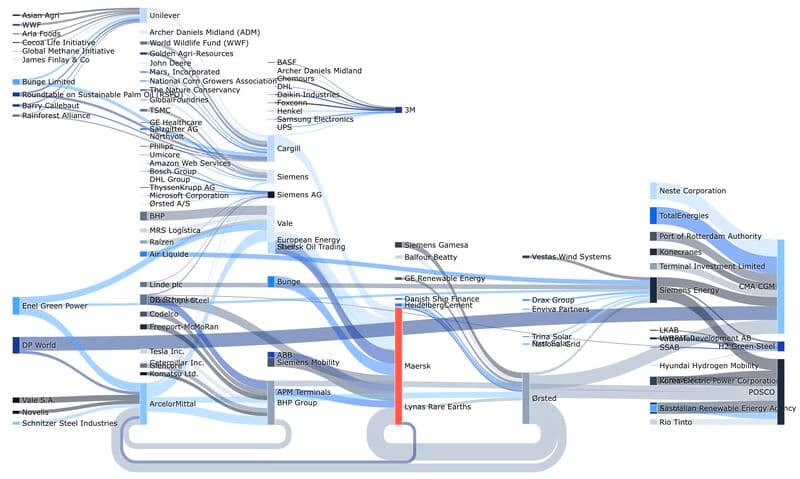
See the companies behind these figures in the Data Hub.
Look up your suppliers’ emissions and targets, free.