Supply-chain decarbonization is a demand and financing problem
Global emissions rose 0.2% in the first half of 2026. The projects exist; what is missing is committed demand and the finance to make them bankable.
By Carbon3 team2 min read
Global emissions rose 0.2% in the first half of 2026. The technology to reduce supply-chain emissions largely exists. What holds it back is demand and financing.
Projects need to be bankable
BBVA's point is that decarbonization projects need to be bankable. A supplier can have a credible plan to reduce emissions, but a lender wants to see who will buy the lower-carbon output and on what terms. Without that, the project stays a plan.
Demand is starting to form
Buyers are beginning to supply that missing demand. Google, McKinsey, Bain and AVEVA have committed to sustainable aviation fuel offtake. Offtake commitments like these matter because they turn an uncertain market into a contracted one. A producer with signed buyers can raise finance; a producer without them usually cannot.
Finance is getting labels
On the finance side, the EU is setting up a fund label, giving investors a clearer way to identify funds that back the transition. Labels do not create projects, but they make it easier for capital to find the ones that exist.
The visibility gap
The harder problem is upstream. PwC finds that only 18% of companies track emissions past their direct suppliers. For most companies, the suppliers' suppliers, where much of the footprint sits, are out of view.
That gap compounds the financing problem. A company cannot commit to fund reductions it cannot see, and a supplier deeper in the chain cannot raise money on the strength of a buyer that does not know it exists.
What closes the gap
Taken together, these signals point the same way. Supply-chain decarbonization needs three things in place at once: visibility into where emissions sit, committed demand for the lower-carbon product, and finance structured around that demand.
Carbon3's approach links all three. Buyers co-fund verified reductions at their suppliers, which provides demand and a share of the cost. The reductions are recorded as inset credits, which provides a clear record of what was achieved and who holds it. Insetting is not offsetting: the funding stays inside the value chain.
Emissions still rising, even slightly, is a reminder that announcing targets is not the bottleneck. Paying for the reductions, and proving them, is.
Originally published on LinkedIn, 28 September 2026.
The Carbon3 Newsletter
Weekly analysis of industrial decarbonization and insetting across Scope 1 to 3, from the Carbon3 team.
Read more from the research team.
Transition finance
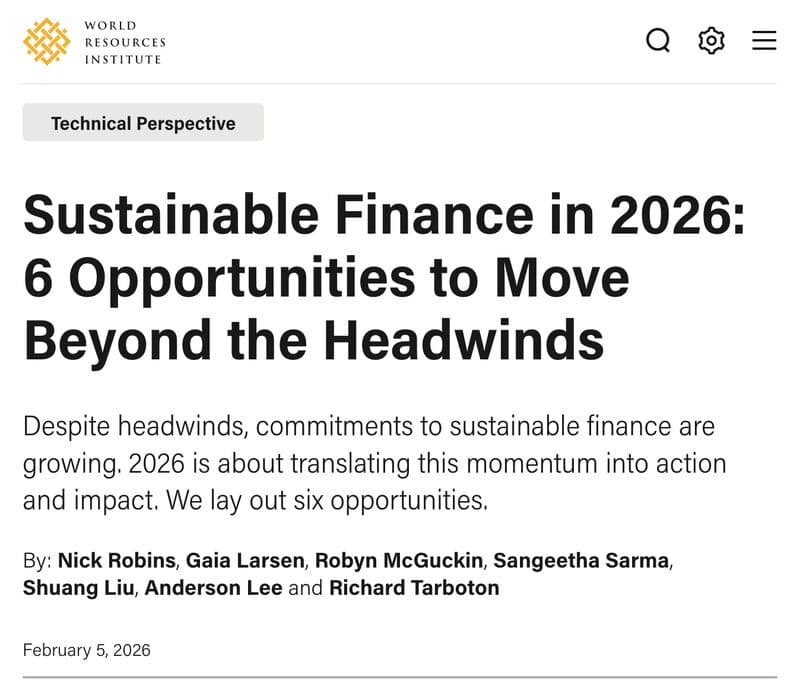
Six opportunities for sustainable finance, and the gap beneath them
WRI's 2026 list is right about the institutional constraints.
Read the articleTransition finance
Waiting on decarbonization is getting expensive
McKinsey's 'The sustainability reset' finds CBAM defaults can raise bills by up to 60% and green steel demand outrunning supply by about a third by 2030.
Read the articleProduct
We built a global insetting market and simulated it end to end
Supply-chain decarbonization is a financing problem.
Read the article
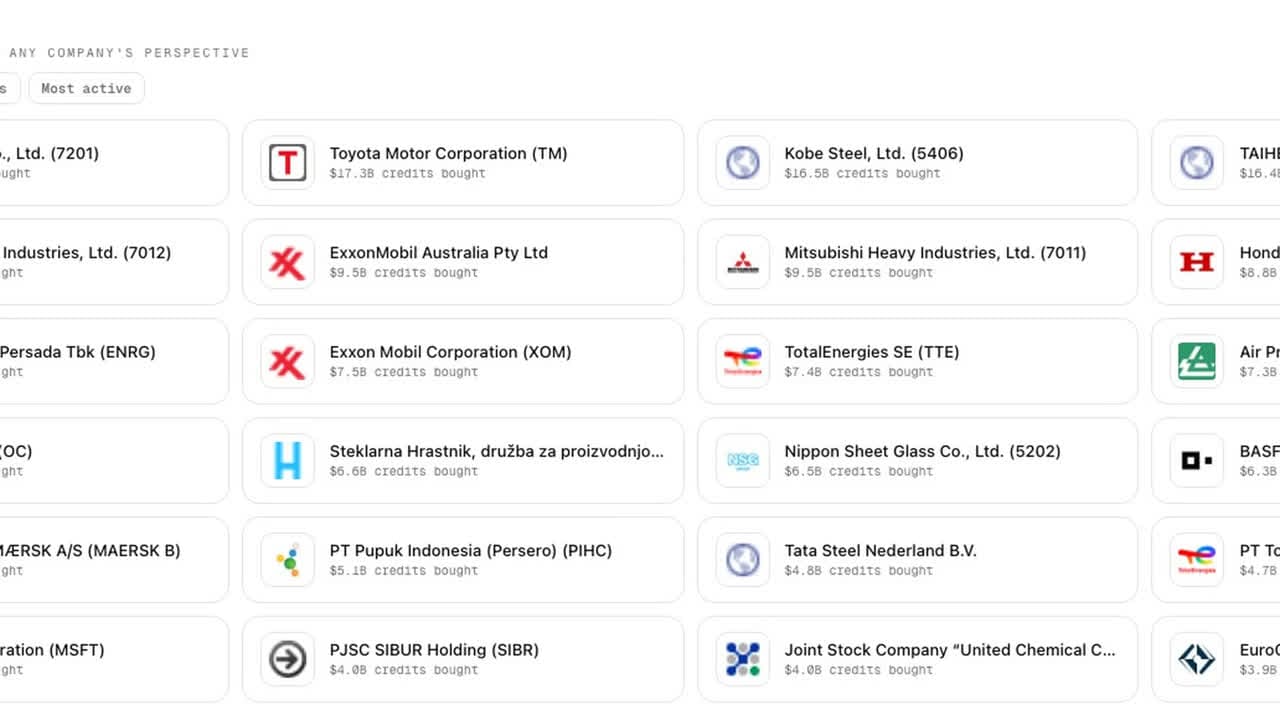
See the companies behind these figures in the Data Hub.
Look up your suppliers’ emissions and targets, free.