CBAM changed the question from whether to decarbonize to whether you can afford not to
Turning the green premium into a revenue stream from the generated Scope 3 reductions makes the industrial transition bankable.
By Carbon3 team1 min read
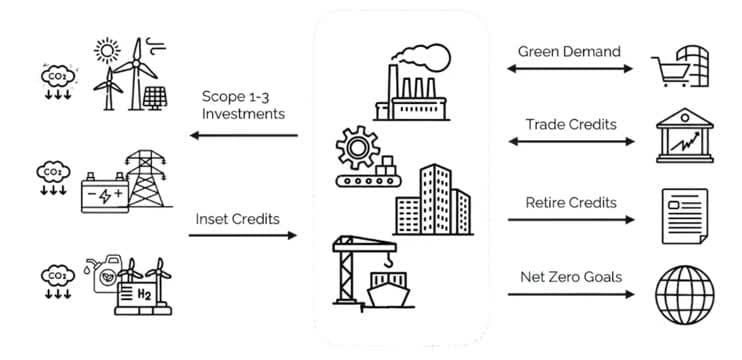
The EU Carbon Border Adjustment Mechanism (CBAM) has changed the game for producers of steel, aluminum, cement, fertilizer, H2, and electricity worldwide The question moved from "Should we decarbonize?" to "Can we afford not to?"
Q: To lower Scope 1-2 emissions, we need massive capital upgrades. How do we justify that CapEx? A: By turning the "green premium" into a revenue stream from the generated scope 3 reductions If you wait, you will pay the EU a carbon tax and get nothing in return. If you act, you invest in your own assets.
Carbon3 bridges the financing gap Enabling you to monetize your internal emission reductions as high-integrity "inset credits" We connect you with downstream buyers willing to co-finance these upgrades to meet their own Scope 3 targets. We make the necessary industrial transition bankable
In the age of CBAM, decarbonization is no longer a CSR initiative it is a condition of market access. Don't just prepare to pay the tax. Partner with Carbon3 to upgrade your assets, secure your EU market share, and gain a definitive price advantage over slower competitors. Is your supply chain CBAM-ready? Reach out today https://www.carbon3.net/
Originally published on LinkedIn, 9 February 2026.
The Carbon3 Newsletter
Weekly analysis of industrial decarbonization and insetting across Scope 1 to 3, from the Carbon3 team.
Read more from the research team.
Policy
Transforming supply chain emissions into opportunities
As CBAM and CSRD mature, the inset credit market is poised for growth, mobilizing billions in green investment.
Read the articlePolicy
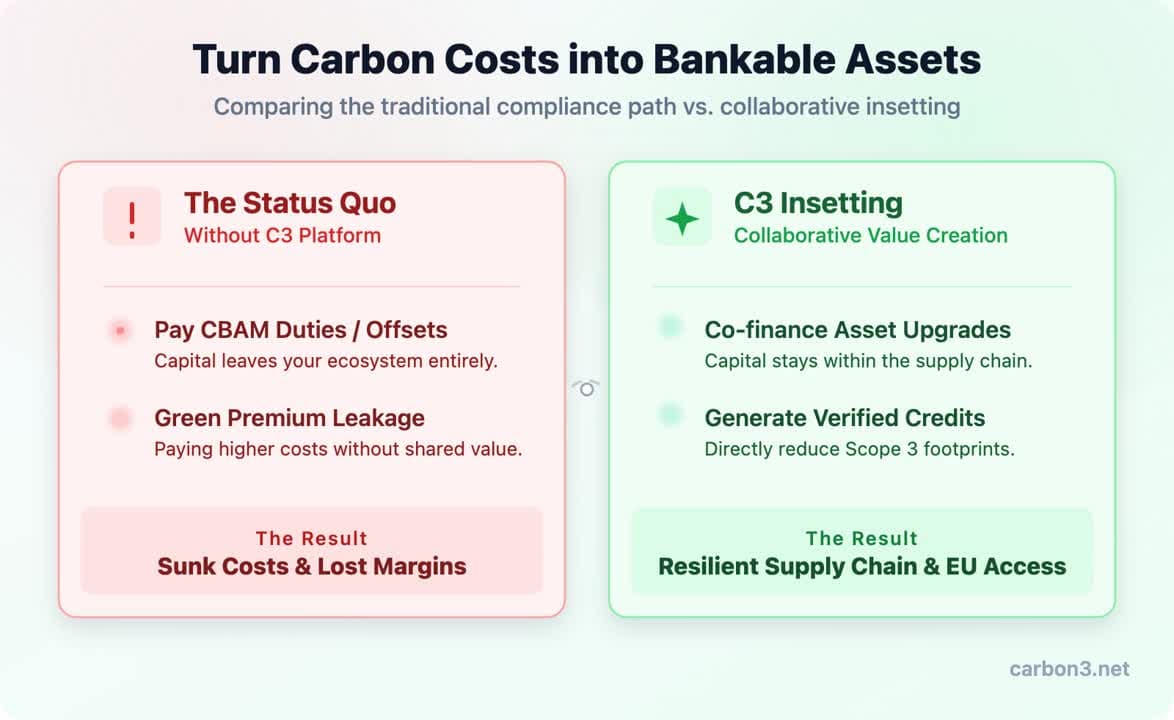
Turning CBAM costs into collaborative opportunities
Producers upgrade assets and generate inset credits.
Read the articleTransition finance
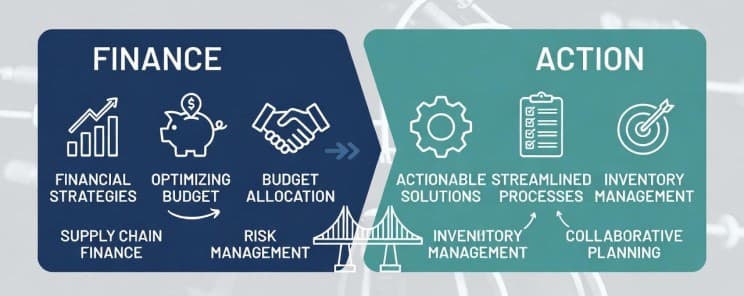
Blended finance moves money. Proof keeps it there.
Allianz Global Investors makes two useful points about financing the transition.
Read the article
See the companies behind these figures in the Data Hub.
Look up your suppliers’ emissions and targets, free.