Four ways an inset credit moves capital through a value chain
Co-finance, de-risk, procure and trade: how one decarbonization project can draw on the whole value chain.
By Carbon3 team1 min read
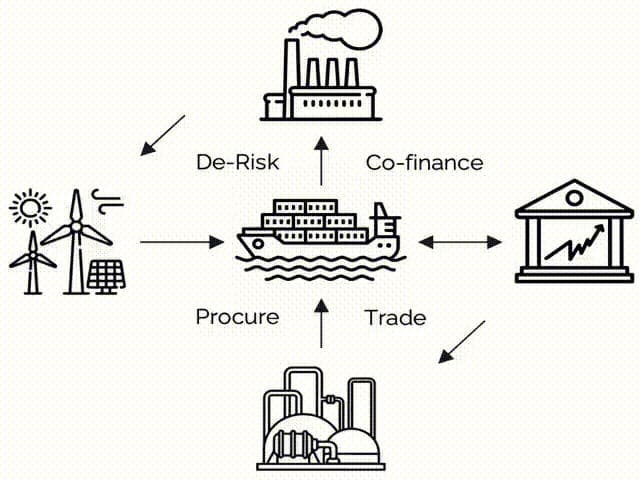
This diagram shows the four roles an inset credit can play around a single decarbonization project, in this case a vessel upgrade.
Upstream energy suppliers and downstream industries can co-finance the project and share the resulting reductions. Lenders and investors can use pre-purchased credits to de-risk it, because part of its future revenue is contracted before the asset is built. Buyers can procure verified reductions for their own Scope 3 inventory, and surplus credits can be traded with other companies that need them.
That makes a sustainability project more than a goodwill effort. The emission reduction becomes a financial instrument, one that can unlock projects no single balance sheet would fund on its own.
Originally published on LinkedIn, 13 November 2025.
The Carbon3 Newsletter
Weekly analysis of industrial decarbonization and insetting across Scope 1 to 3, from the Carbon3 team.
Read more from the research team.
Transition finance
Climate risk now carries a cost. Supply chain resilience can lower it.
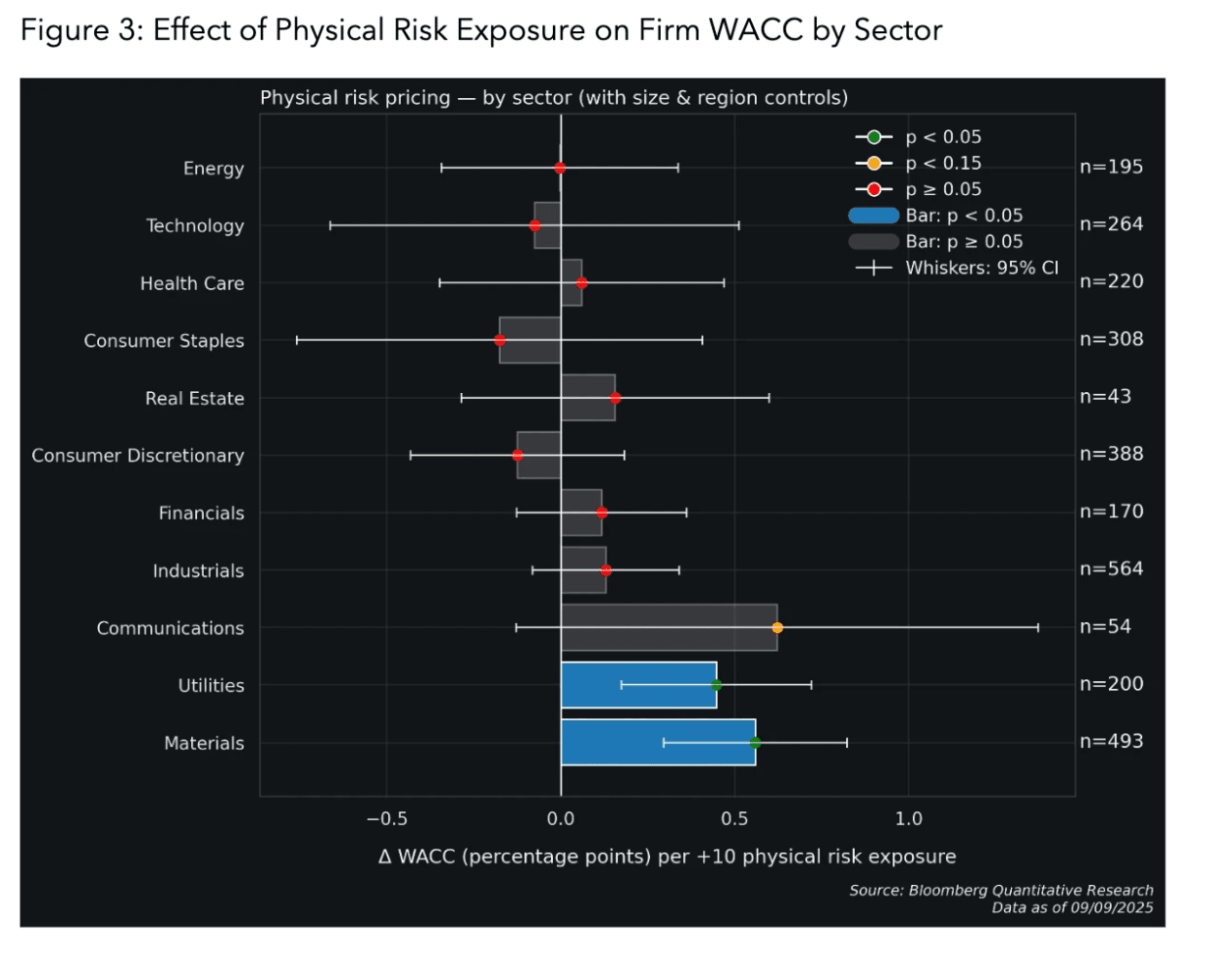
Bloomberg finds companies with higher physical climate exposure face a 22 bps increase in WACC.
Read the articleTransition finance
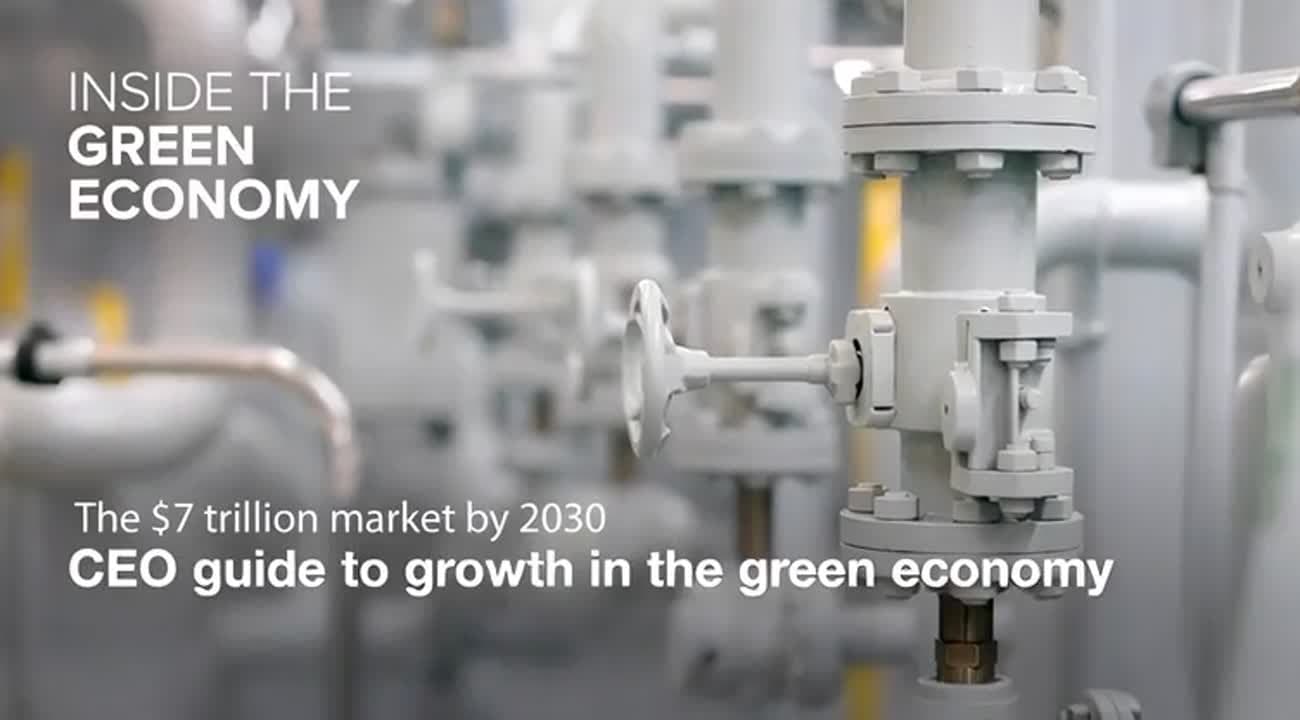
The green economy is worth $5 trillion a year
Green revenues grow twice as fast as conventional ones.
Read the articleProduct
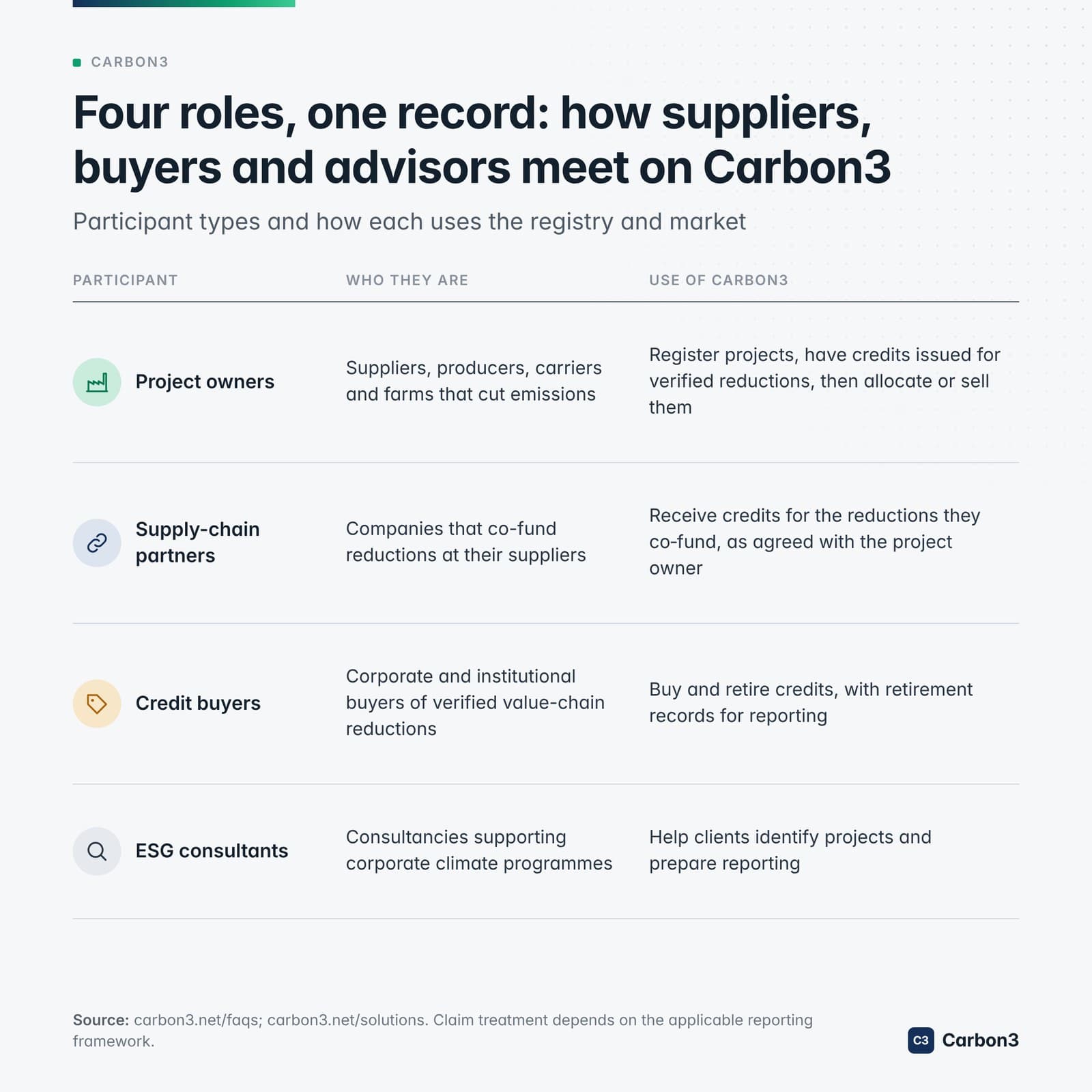
Suppliers, buyers and advisors rarely work from the same record of a reduction
Carbon3 has four participant types: project developers, supply-chain partners, credit buyers and ESG consultants.
Read the article
See the companies behind these figures in the Data Hub.
Look up your suppliers’ emissions and targets, free.