Yara: cost discipline and decarbonization as one agenda
Record operational performance alongside 42.6 million tCO2e of Scope 3. Cash freed by discipline creates room for lower-carbon pathways.
By Carbon3 team1 min read
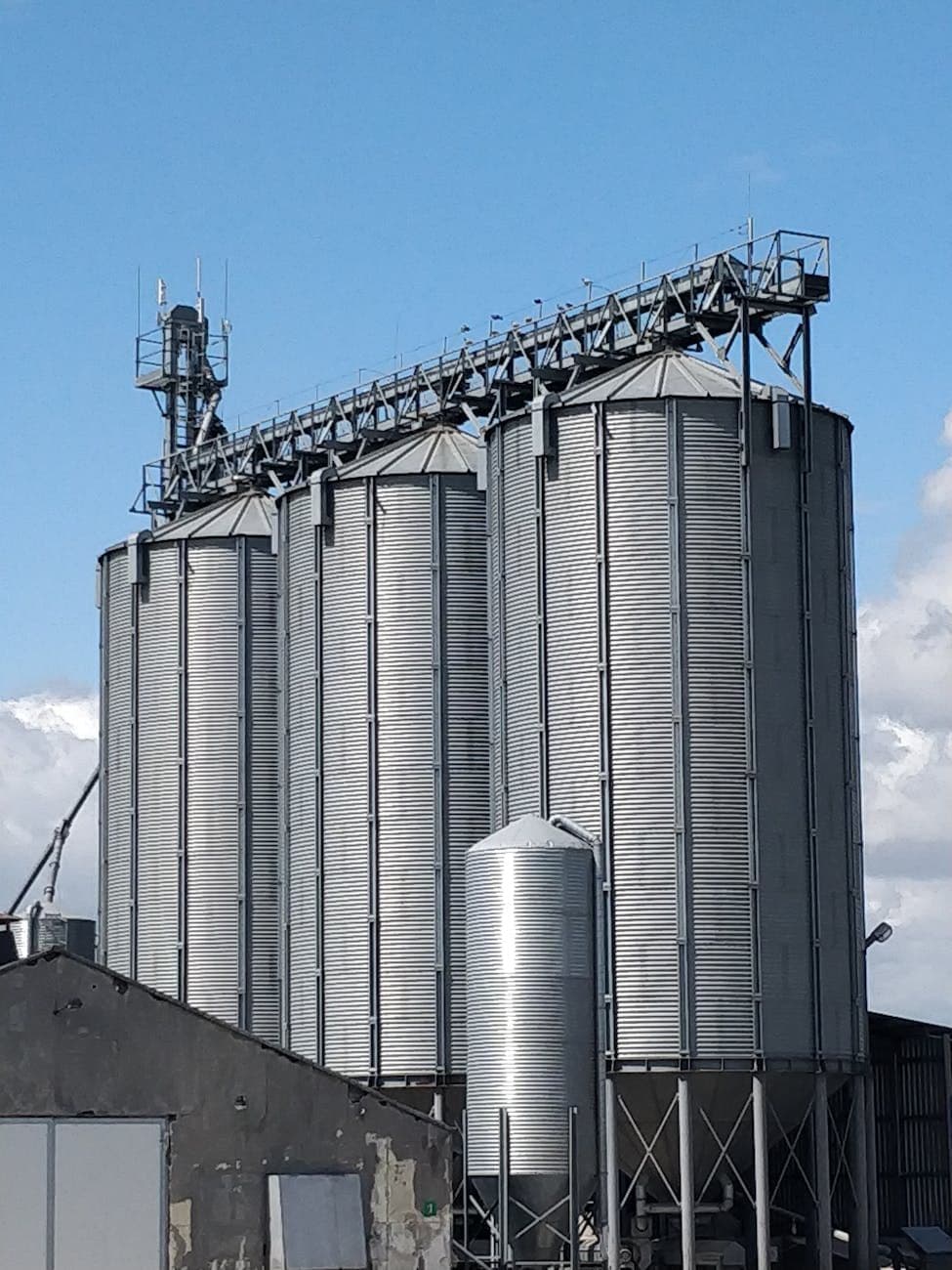
What if the next advantage in fertilizers comes from treating cost discipline and decarbonization as the same operating agenda?
That is one of the more interesting signals in Yara’s latest reporting. Yara’s 2025 annual report highlights 10.7% ROIC, more than $200 million of fixed-cost reductions delivered since 2Q 2024, and continued capital discipline, alongside record operational performance. At the same time, the company is still managing a very large emissions base across its value chain: your source notes Scope 1 at 14.9 million tCO₂e and Scope 3 at 42.6 million tCO₂e, while Yara also reported a 10% reduction in GHG intensity since 2018 and progress on lower-emissions ammonia initiatives.
That combination matters. In fertilizer markets, where margins remain exposed to feedstock costs, carbon policy, and customer pressure, operational excellence is no longer separate from transition strategy. Yara’s framing suggests that cash flow freed up through portfolio optimization and cost reduction can strengthen resilience today while also creating room for lower-carbon production pathways tomorrow. That is a more credible model than treating decarbonization as a side program.
What strategies are gaining traction in agriculture and fertilizers for turning decarbonization investments into stronger long-term margins?
Yara International Bernhard Stormyr
Originally published on LinkedIn, 26 March 2026.
The Carbon3 Newsletter
Weekly analysis of industrial decarbonization and insetting across Scope 1 to 3, from the Carbon3 team.
Read more from the research team.
Sector: Agriculture
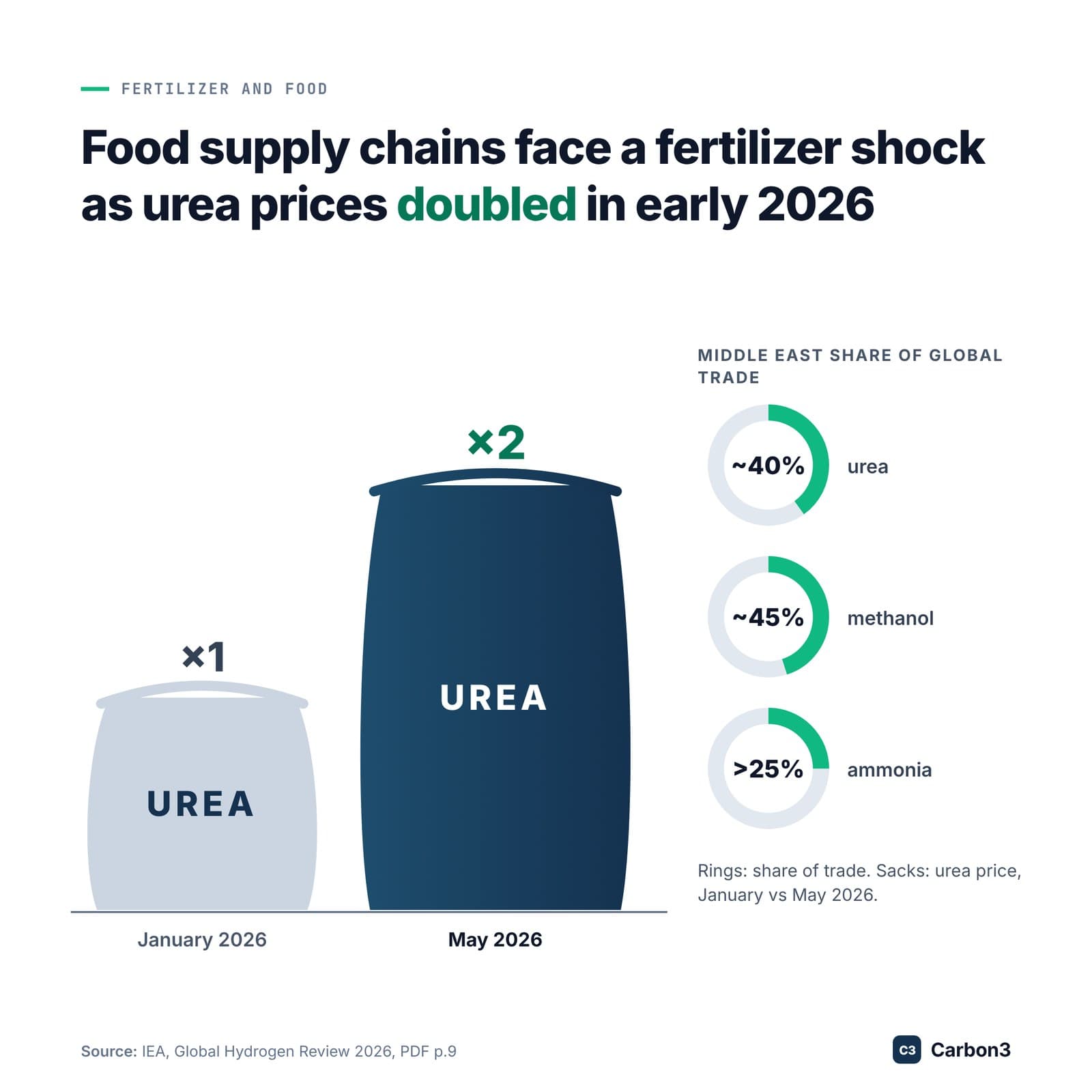
Fertilizer has become a supply-chain risk for food companies
The IEA reports that urea prices doubled between January and May 2026, which puts fertilizer in both the cost base and the Scope 3 inventory of agri-food buyers.
Read the articleSector: Agriculture
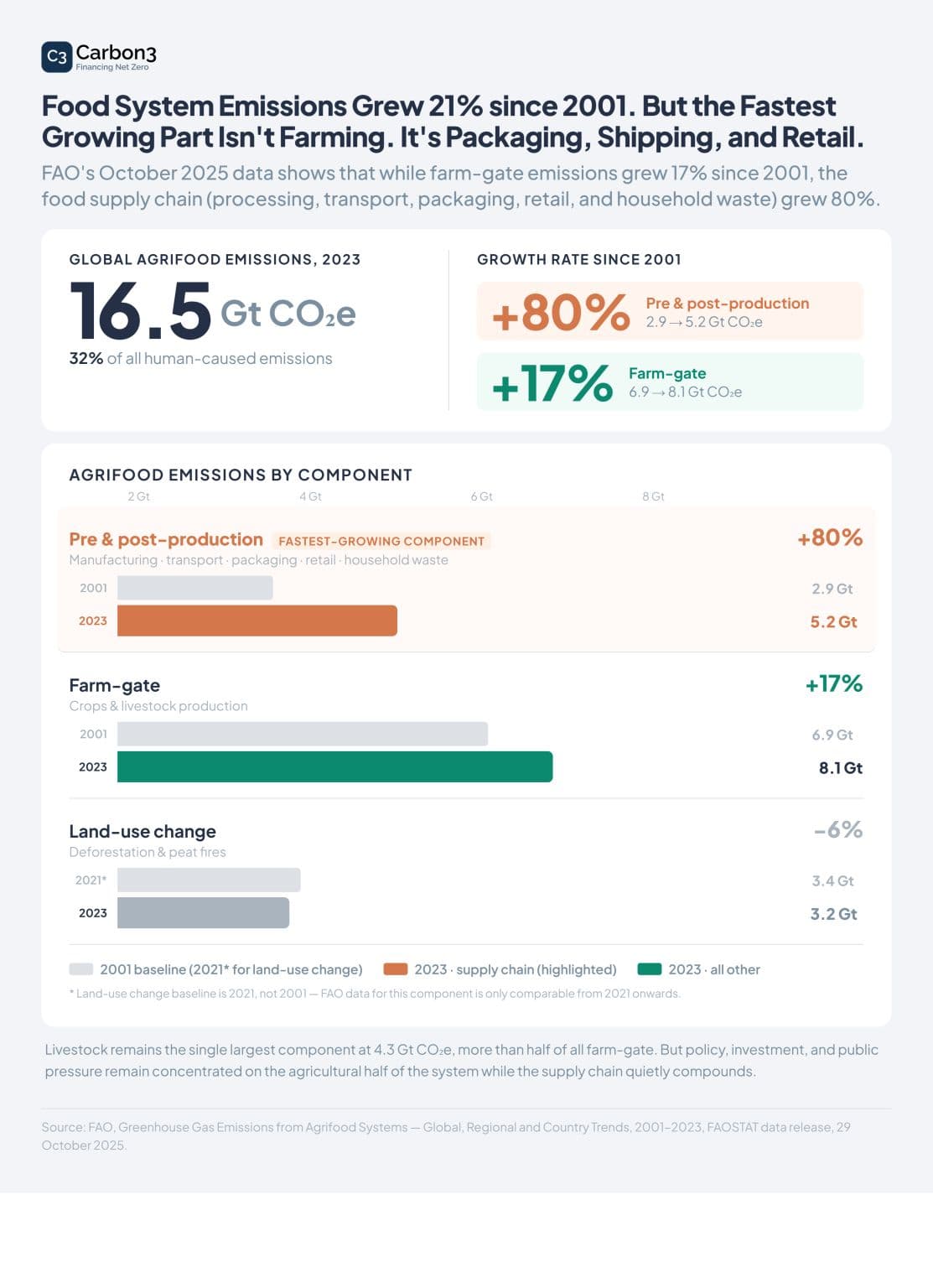
Agrifood emissions growth has shifted to packaging, shipping, waste and retail
On-farm practices remain the largest driver, but pre- and post-production services deserve closer attention for their Scope 3 impact.
Read the articleField notes
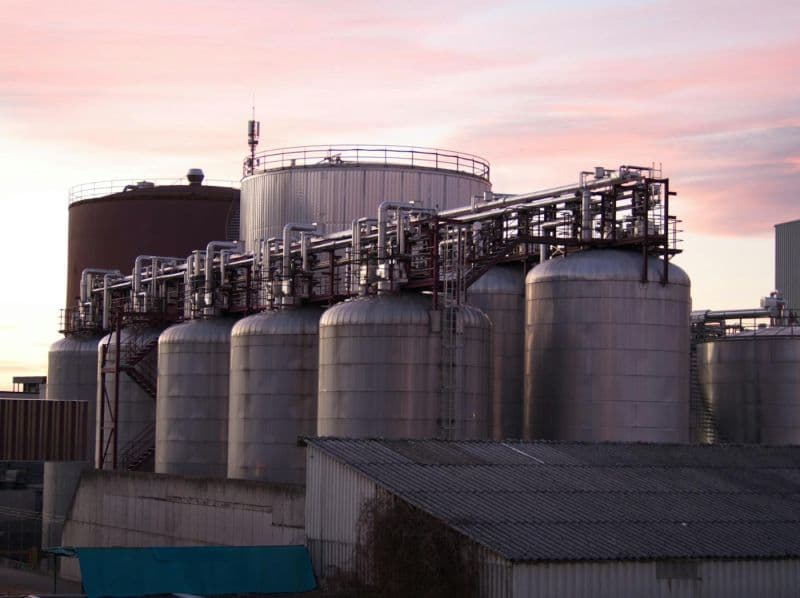
Brenntag: distributors as the middle of the value chain
Scope 1 of 185,546 tCO2e against nearly 30 million in Scope 3.
Read the article
See the companies behind these figures in the Data Hub.
Look up your suppliers’ emissions and targets, free.